1
Feeling Inadequately Insured? 3 Ways To Extend Your Health Insurance Cover Listen to the article
Decoding Insurance

01 Jun, 2023
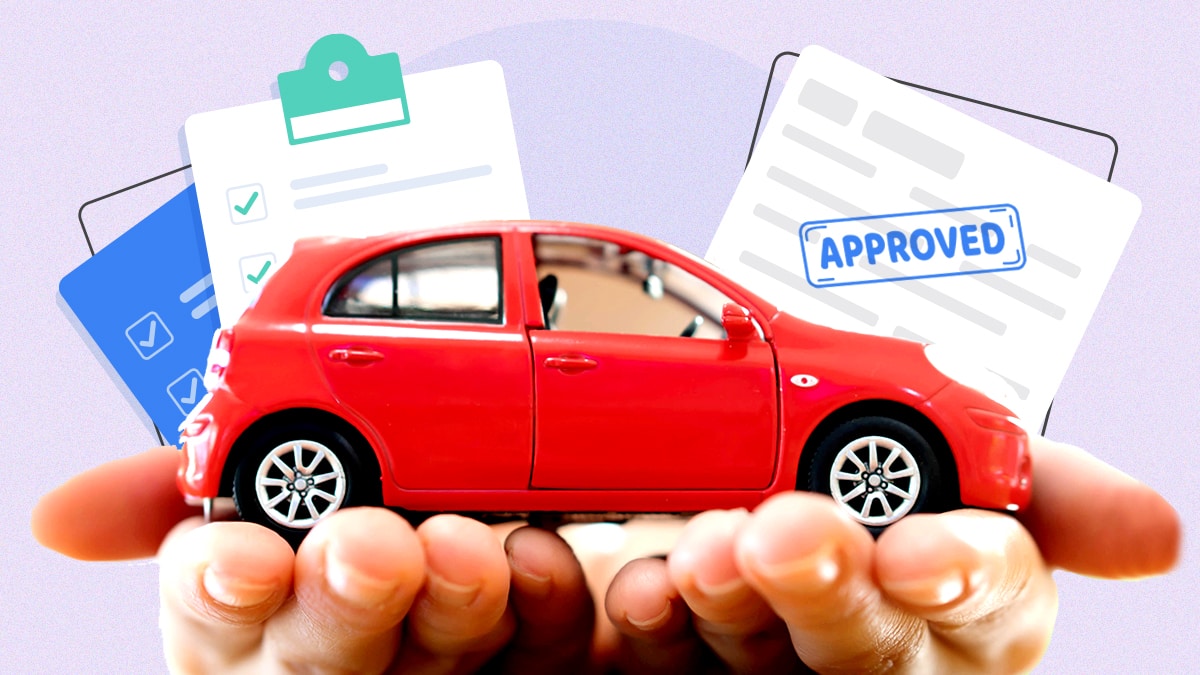
What does one get with a comprehensive motor insurance plan? Peace of mind and financial support when necessary. But what happens when you finally make a claim and it gets rejected? It leads to frustration and financial burden.
Filing a motor insurance claim can be a complex process, and requires you to thoroughly understand your policy and follow the correct claim process. In some cases, your claim can be rejected by the insurer on certain grounds. Here’s a guide to help you navigate the intricacies of motor insurance claims.
Compare and choose the right insurance policy
Selecting the right insurance policy is the foundation for minimising claim rejections. Begin by conducting thorough research and comparing policies from different insurers. Look for policies that offer comprehensive coverage for both third-party liability and own-damage. It’s important to note that broadly all comprehensive plans have standard coverage. Additionally, make it a point to carefully review your policy's terms, conditions, exclusions, deductibles, and limitations to fully understand what is covered.
Provide accurate and complete information
During the application process, it is crucial to provide accurate and complete information to your insurer. Disclose all relevant details, including your previous no claim bonus (NCB%), modifications made to the vehicle, and any additional drivers who will be using the insured vehicle. Failure to disclose such information can lead to claim rejection or even policy cancellation if it is discovered later. Remember, honesty is key when it comes to insurance applications.
Here’s a list of documents needed while filing a motor insurance claim:
Understand policy coverage and exclusions
Take the time to thoroughly understand your insurance policy's coverage and exclusions. Carefully read through the policy document, paying attention to specific situations that might lead to claim denial. These situations could include driving under the influence, unauthorized use of the vehicle, participating in illegal activities, or driving on prohibited roads. By being aware of these exclusions, you can take necessary precautions to prevent claim rejection.
Document accidents and damages
In the event of an accident, documenting the incident and the resulting damages is crucial. Take photographs of the vehicle and the accident scene, gather witness statements, and, if necessary, file a police report. Notify your insurer promptly and provide them with all relevant details, such as the date, time, and location of the incident, as well as the contact information of other parties involved. Clear and comprehensive documentation will strengthen your claim and minimise the chances of rejection.
Promptly report and cooperate
Time is of the essence when it comes to reporting an accident or making a claim. Most insurance policies have specific timeframes within which you must report an incident. Failing to notify your insurer promptly can result in a rejected claim. Once you've reported the incident, cooperate fully with the insurer's investigation process. Provide all requested documents, statements, and information promptly. Timely and transparent communication is crucial to a successful claim.
Maintain regular vehicle maintenance
Regular vehicle maintenance plays a significant role in preventing claim rejections. Adhere to the manufacturer's recommended service schedule, keep all service records, and promptly address any mechanical issues. Failure to maintain your vehicle properly may result in a claim denial if the insurer can attribute damages to negligence or lack of maintenance. Ensure that your vehicle is in a roadworthy condition and meets all safety requirements.
Be wary of fraudulent practices
Insurance fraud is a serious offense, and insurers have stringent measures in place to combat it. As a policyholder, it is essential to avoid engaging in any fraudulent activities. Examples include providing false information, exaggerating damages, or staging accidents. Engaging in such practices will not only lead to claim rejection but may also result in legal consequences. Maintain your integrity throughout the claims process and provide accurate information.
Minimising the chances of a rejected motor insurance claim requires careful consideration and adherence to policy terms and conditions. Remember, proactive measures taken before an accident occurs can save you from potential claim rejection and ensure a smoother claims process


Leading Global Financial Tech Innovator
KPMG

11 Million+
Happy Policybazaar customer

50+ Insurers
Offering over 4000+ plans

24X7 Claim Support
Made stress-free

Unbiased Advise
Keeping customers first


Playstore Ratings



08 Dec, 2023
