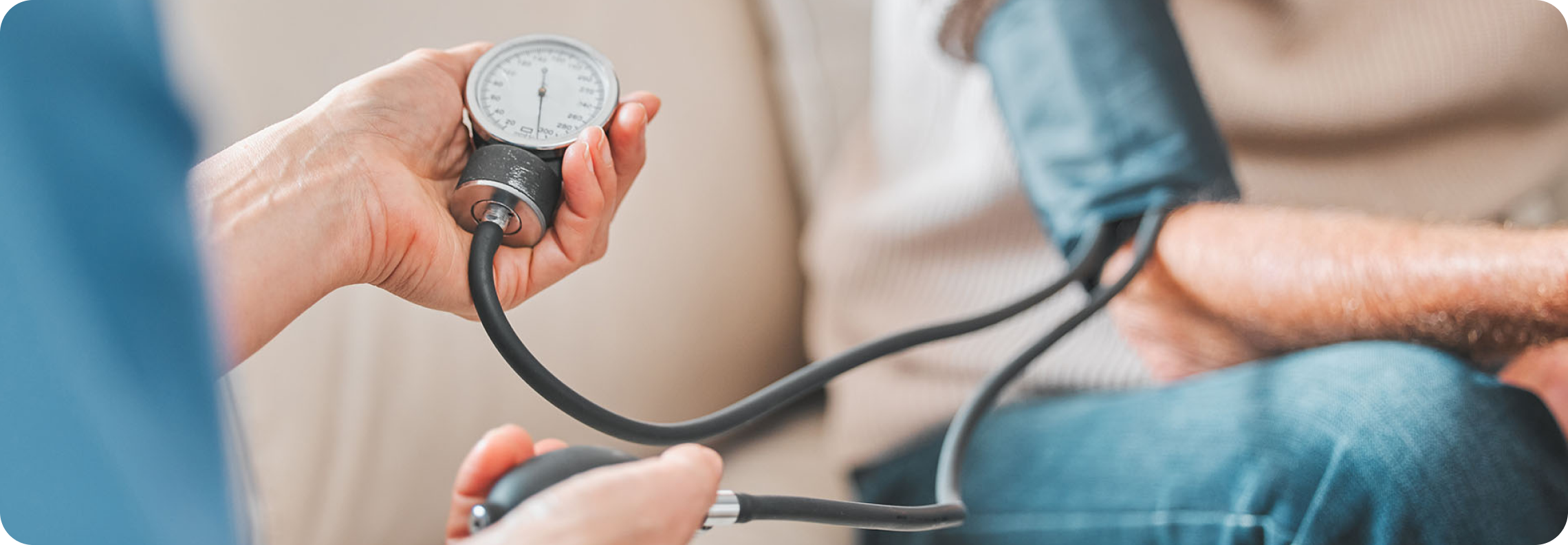
What Does "Silent Killer" Actually Mean in Hypertension?
High blood pressure is often called a "silent killer" because it can quietly damage your body for years without causing any apparent symptoms. You might feel completely normal while your blood vessels are narrowing, your heart is overworking, and your organs are slowly being affected. When symptoms show up, it may already be too late to prevent serious complications.
Why it's called "silent":
No pain or clear signs in early stages: Most people with high blood pressure initially feel nothing unusual.
Damage happens slowly: Arteries begin to harden, and organs like the heart and kidneys are quietly strained.
No way to "feel" high BP: Unlike a fever or pain, you can't tell your BP is rising unless you measure it.
Discovered only during health checks: Many people find during a routine exam or after a health scare.
Can remain hidden for years: Without regular testing, high BP can go undetected well into advanced stages.
Why it's considered deadly:
Leads to major health events: High blood pressure is one of the most significant risk factors for heart attacks and strokes.
Sudden complications are common: You might feel fine one day and end up in an emergency room the next.
Kidneys and eyes get damaged, too: The pressure harms delicate blood vessels in your kidneys and eyes, leading to vision loss and kidney failure.
Daily symptoms are often ignored: Mild signs like tiredness, headaches, or dizziness are brushed off or blamed on stress.
The actual danger of hypertension is not what you feel, but what's happening inside without your knowledge.
Catch silent signs early with coverage
How Can High Blood Pressure Harm You Without Warning?
High blood pressure slowly damages your blood vessels and major organs without giving you noticeable signs.
Areas of silent damage:
Arteries: Become thick and narrow, increasing your risk of heart disease
Heart: Overworked muscles can lead to heart failure
Kidneys: Reduced blood flow can lead to chronic kidney disease
Brain: Silent strokes or memory issues may develop.
Eyes: Vision loss due to retinal vessel damage
Damage can build quietly, turning routine pressure into lifelong problems.
Stay one step ahead with insurance
Why Testing Is the Only Way to Know for Sure
High blood pressure often creeps in silently. Because it rarely causes noticeable symptoms early on, regular testing becomes the only dependable way to catch it before it causes severe damage.
Types of Testing Methods:
1
At-Home Monitoring
Digital blood pressure monitors make it easy to track your BP regularly. These are great for spotting trends and noticing if your numbers are slowly rising.
2
Clinical Evaluations
A doctor or nurse can give more accurate readings and spot patterns over multiple visits. Clinics also screen for related issues like irregular heart rate or early signs of organ stress.
3
Ambulatory Monitoring
This involves wearing a portable BP monitor for 24 hours to check how your blood pressure behaves during sleep, activity, stress, and rest. It's beneficial if your BP fluctuates a lot.
4
Regular Follow-Ups for High-Risk Individuals
People with diabetes, obesity, a family history of heart disease, or high blood pressure during pregnancy should get their BP checked more often—even if they feel healthy.
Without regular testing, high blood pressure can quietly take control of your health.
Stay aware, stay insured
What Makes High Blood Pressure So Dangerous Long-Term?
Unlike sudden illnesses that show apparent symptoms, high blood pressure causes slow but steady damage across the body. The longer it goes untreated, the more harm it causes, often without warning.
Long-Term Risks of Uncontrolled Hypertension:
1
Heart DiseaseThe constant pressure forces your heart to work harder, thickening its walls. Over time, this can lead to heart failure, arrhythmia, or sudden cardiac events.
2
StrokeHigh blood pressure is the leading cause of stroke worldwide. It weakens arteries in the brain, making them prone to rupture or blockage, especially when BP fluctuates frequently.
3
Kidney FailureThe kidneys filter blood. High BP damages the tiny vessels inside them, making it harder to remove waste. This is one of the most common reasons for dialysis.
4
Cognitive DeclineStudies show that people with high blood pressure are more likely to develop dementia, memory loss, and even vascular cognitive impairment. Silent strokes can also contribute.
5
Pregnancy RisksHigh blood pressure during pregnancy can cause complications such as preeclampsia, premature delivery, or long-term health issues for both mother and baby.
6
Other RisksLong-term hypertension can also worsen insulin resistance and make it harder to follow a High Blood Pressure Diet, especially if symptoms remain unnoticed for years.
Long-term high blood pressure doesn't shout—it silently builds damage across vital systems until it's too late.
Act early with reliable coverage
What Are the Most Overlooked Causes of High BP?
High blood pressure isn't always about age or family history. The everyday habits and underlying health conditions often quietly raise your numbers without you realising it.
Common Hidden Causes of Hypertension:
1
High Sodium IntakeRegularly consuming salty snacks, processed foods, or restaurant meals can increase your blood pressure, even if you avoid adding salt at home.
2
Chronic Stress and Poor SleepStress hormones like cortisol can keep your blood pressure elevated. If you're sleeping poorly or staying anxious, your BP may remain high even while resting.
3
Lack of Exercise and Weight GainPhysical inactivity is a silent driver of hypertension. Even a small amount of regular movement, like Best Exercises for Managing High Blood Pressure, can make a big difference.
4
Insulin Resistance and Thyroid IssuesMetabolic conditions like insulin resistance or an underactive thyroid often go undiagnosed but can make it harder for your body to regulate blood pressure properly.
5
Fluctuating Blood PressureIgnoring fluctuations in your readings can delay diagnosis. Learn more about the triggers in [What Causes Fluctuating Blood Pressure?]
The everyday habits and hidden conditions often quietly tip your blood pressure over the edge.
Check your lifestyle, protect your heart
Why You Can't Rely on Symptoms Alone
Many people assume they'll "feel it" when something is wrong with their blood pressure. However, high blood pressure rarely causes noticeable symptoms until the damage is underway.
Commonly Ignored Warning Signs:
1
Mild NosebleedsOften brushed off as seasonal or dry-air related, they can be linked to dangerously high pressure in the blood vessels.
2
Blurred Vision or Eye StrainHigh blood pressure can affect the tiny vessels in the eyes, leading to vision changes that most people blame on screen time or fatigue.
3
Shortness of Breath During Light ActivityIf climbing stairs or walking a short distance leaves you winded, it could point to underlying heart strain from uncontrolled hypertension.
4
Hot Flashes or Anxiety-Like SensationsSudden warmth, racing thoughts, or restlessness can sometimes be your body reacting to a BP spike, not just stress or hormones.
5
Brain Fog or Trouble ConcentratingReduced blood flow to the brain due to high pressure can cause confusion, forgetfulness, or trouble staying focused.
By the symptoms that appear, your blood pressure may already be quietly harming your organs.
Monitor early, act smarter
What Happens If You Leave High BP Untreated?
Leaving high blood pressure unchecked may not cause immediate symptoms, but the damage builds silently over time. The longer it stays uncontrolled, the more it harms vital organs and increases the risk of life-threatening events.
Potential Complications Include:
1
Heart FailureYour heart works harder to push blood through stiffened arteries, eventually leading to muscle thickening and weakened pumping power.
2
Stroke or Mini-StrokesElevated pressure can cause blood vessels in the brain to rupture or clog, leading to permanent brain damage or paralysis.
3
Chronic Kidney DiseaseConstant strain on kidney vessels can reduce filtration, eventually leading to kidney failure or the need for dialysis.
4
AneurysmsWeakened artery walls may bulge and rupture, especially in the aorta or brain, which can be fatal if not detected early.
5
Vision LossTiny vessels in your eyes may become damaged, resulting in blurred vision or permanent blindness in severe cases.
Besides health risks, untreated high BP can drive up the cost of care. Hospital stays, emergency interventions and long-term medications can add up, and many insurance plans may charge more if you delay treatment.
Untreated blood pressure can slowly turn manageable risks into costly, life-altering conditions.
Explore treatment options early
Can Diet Help Lower Blood Pressure?
Absolutely. What you eat each day can directly influence your blood pressure levels. A balanced, heart-friendly diet reduces blood pressure and protects against long-term damage to your heart, kidneys, and brain.
Diet Tips That Work:
1
Follow a High Blood Pressure DietThe DASH diet (Dietary Approaches to Stop Hypertension) is often recommended for its focus on whole grains, fruits, vegetables, and low-fat dairy.
2
Increase Potassium IntakePotassium helps your body balance sodium and relax blood vessel walls. Include bananas, spinach, oranges, sweet potatoes, and lentils.
3
Cut Back on Salt and SugarSodium is one of the top contributors to rising blood pressure. Watch out for hidden salt in packaged snacks, sauces, and breads.
4
Avoid Processed and Red MeatsThese often contain added sodium and preservatives. Instead, go for lean proteins like fish, tofu, or legumes.
5
Limit Alcohol and Sugary DrinksRegular alcohol use can raise blood pressure and interfere with medication. Choose water, herbal teas, or low-sugar juices instead.
Even small changes to your daily plate can create noticeable improvements over time. Pairing a heart-healthy diet with regular exercise, stress control, and medication, if needed, can make a powerful difference.
Eating wisely today can help you avoid serious blood pressure issues tomorrow.
Start your healthy plate now
What Lifestyle Changes Can Reduce Hypertension Risk?
You don't always need medication to start managing high blood pressure. Some of the most effective ways to lower your BP begin with everyday habits. These changes reduce hypertension risk and improve your energy, mood, and long-term heart health.
Helpful Lifestyle Habits:
1
Stay Active with the Right WorkoutsTry walking, swimming, or cycling. These are among the Best Exercises for Managing High Blood Pressure and can improve circulation and heart strength.
2
Prioritise Sleep and Stress ReliefLack of sleep or high-stress levels can lead to hormonal imbalances that raise blood pressure. Aim for 7–9 hours of sleep and use calming techniques like deep breathing, meditation, or yoga.
3
Explore Natural ApproachesHerbal teas, garlic, beet juice, and magnesium-rich foods are Home Remedies for Managing High Blood Pressure that may gently support your heart and vessels.
4
Maintain a Healthy Weight and Limit AlcoholLosing 5 to 10 per cent of excess weight can help reduce blood pressure. Also, reducing alcohol lowers the strain on your heart and kidneys.
5
Track Your BP DailyEveryone's blood pressure changes slightly throughout the day. Knowing the Best Time of Day to Take Your Blood Pressure can help you spot patterns and manage your health better.
Smart, daily habits can be your best defence against rising blood pressure.
Begin your wellness routine today
What Should You Do If Your BP Fluctuates a Lot?
If your blood pressure changes noticeably throughout the day, it may be more than natural variation. Frequent ups and downs can make it harder to diagnose hypertension correctly and can interfere with treatment results. Identifying what's causing the shifts and taking steps to manage them is essential.
Causes of Fluctuation:
1
Inconsistent Medication UseSkipping doses, taking pills at irregular times, or switching brands without medical advice can disrupt your blood pressure rhythm. Be consistent and speak to your doctor before changing your Treatment Options for Hypertension.
2
Anxiety or Panic AttacksStress, worry, and sudden emotional changes release hormones like adrenaline that can cause sudden spikes. This is often a hidden cause of Fluctuating Blood Pressure. What Causes Fluctuating Blood Pressure?
3
Poor Diet or DehydrationEating salty snacks, skipping meals, or not drinking enough water can all affect blood pressure. Following a High Blood Pressure Diet and staying hydrated can smooth out fluctuations.
4
Overexertion or Lack of MovementStrenuous activity or sitting too long without movement can cause swings. Balance is key. Use the Best Exercises for Managing High Blood Pressure to stabilise your readings.
Steps You Can Take:
Monitor your BP at the exact times daily. Refer to How to Check Your Blood Pressure at Home for accuracy.
Avoid triggers like caffeine, alcohol, and emotional stress.
Record your readings and share them with your doctor for better diagnosis and care.
Ask about ambulatory BP monitoring if fluctuations are severe or frequent.
Unpredictable blood pressure makes diagnosis harder, and your heart works overtime.
Track your BP with care

FAQs

  • Q1. Why is high blood pressure called a "silent killer"?

    Ans: Because it usually doesn't cause any symptoms. You may feel completely normal while your blood vessels, heart, and organs are getting damaged over time.
  • Q2. Can I have high blood pressure even if I feel fine?

    Ans: Yes. Many people feel perfectly healthy but have dangerously high readings. That's why regular testing is so important.
  • Q3. Is high blood pressure always permanent?

    Ans: Not always. If caught early and treated with lifestyle changes or medicine, it can be managed well or even reversed in some cases.
  • Q4. What's the most common age for high blood pressure?

    Ans: It often starts after age 40, but younger people—including teens—can also have it, especially if they're stressed or overweight.
  • Q5. How will I know if I need to start treatment?

    Ans: If your readings are consistently high during tests, your doctor might suggest lifestyle changes or medications based on your risk.
  • Q6. Does high blood pressure affect children too?

    Ans: Yes, though it's rare. Kids with obesity, poor diets, or a family history may also develop high BP early in life.
  • Q7. Can high blood pressure affect my memory?

    Ans: Yes. Long-term high BP can reduce blood flow to the brain and may lead to memory problems or even dementia.
  • Q8. What happens if I ignore my high blood pressure?

    Ans: It can lead to serious problems like stroke, heart attack, kidney failure, or blindness, sometimes with no warning.
  • Q9. Is it okay to take medicine only when my BP is high?

    Ans: No. Blood pressure medicine should be taken regularly, not just when you feel unwell. Skipping it may raise your risk.
  • Q10. What's the best way to stay safe from this "silent killer"?

    Ans: Get your BP checked regularly, eat a healthy diet, exercise, manage stress, and take your medicines if prescribed.