Processing


Every car owner typically expects a smooth and stable driving experience. However, if you feel vibrations in the steering wheel or brake pedal, it typically suggests a problem under the surface. These vibrations can affect vehicle handling, comfort, and safety, particularly when driving at high speeds. If you face these issues, taking appropriate action can help you avoid expensive repairs.
Check out the different types of vibrations felt in the car based on their cause:
If you notice a slight vibration in the steering wheel or pedal while braking, it can be due to problems in the brake discs or pads. This may happen if the brake discs are worn out. The vibration can become stronger with repeated braking. Timely inspection of the braking system is important to ensure safety.
These vibrations are typically felt at high speeds. They are often caused by tyre imbalances or wheel problems. If you neglect these vibrations, it can result in irregular tyre wear.
Vibrations felt while accelerating the car can indicate drive shaft or engine mount issues. These vibrations may feel stronger when you press the accelerator. It also suggests there may be problems with the transmission system.
If you notice vibrations even when the car is stationary, the problem may be related to its engine. It could be caused by worn-out mounts or improper fuel combustion. The vibration may reduce or increase when the AC is turned on.
Some typical causes of steering vibrations are as follows:
This is one of the most common reasons for steering vibration. If your car's tyres are out of balance, it causes uneven wheel rotation. This often leads to shaking at certain speeds. This issue can be easily fixed with proper wheel balancing.
Incorrect wheel alignment can cause many minor issues, such as uneven tyre wear, steering pull, reduced car handling, and vibration. With regular wheel alignment checks, you can avoid such problems.
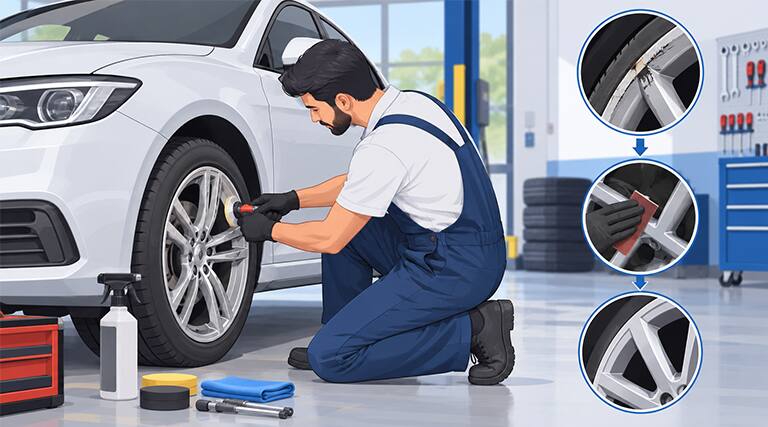
Your vehicle's tyres and wheels will be damaged if you regularly drive on bumpy roads. You might notice common problems such as tyre bulges, bent alloy wheels, or uneven wear. These issues can lead to steering vibrations.
Over time, suspension parts like ball joints and control arms can wear down. This wear can lead to poor stability and cause vibrations at high speeds.
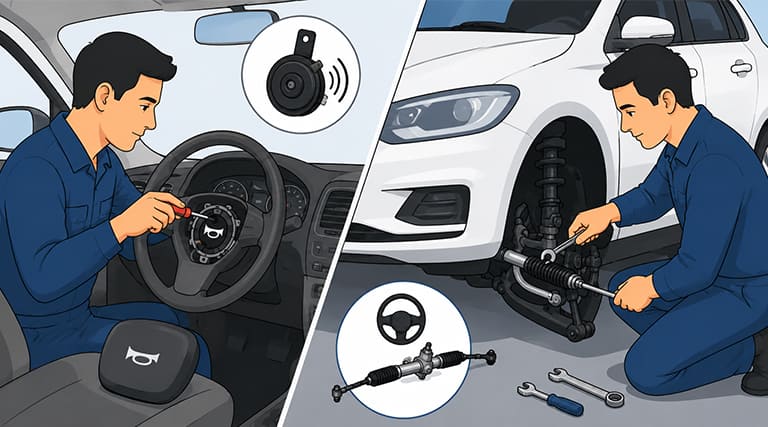
Issues with the steering system can arise from worn tie rods, a loose steering rack, or damaged linkages. These problems might cause vibrations in the steering wheel and make it harder to maintain control.
Car pedal vibrations are typically caused by the following reasons:
Vibrations in the brake pedal often stem from problems like warped brake discs, uneven brake pads, or sticking callipers. These vibrations tend to be more evident when you apply the brakes at higher speeds. With time, heat and friction can cause the brake parts to become uneven. Keeping up with regular servicing and replacing brake parts when needed can help you avoid this issue.
Worn engine mounts or engine misfires can lead to vibrations in the car, affecting the pedals as well. Engine mounts are made to dampen vibrations, so their failure causes the vibrations to become more apparent. You might also notice a rough idle or hear strange engine sounds. Addressing engine-related issues promptly can significantly improve your overall driving comfort.
If you're experiencing vibrations when accelerating or decelerating, it could be a sign of worn CV joints or a damaged driveshaft. These vibrations might intensify as your speed changes, and you might even notice some clicking or knocking noises. Keeping an eye on your way through regular inspections and maintenance can help you avoid these issues.
A faulty suspension system not only affects ride quality but also increases the risk of accidents to impairing control and reducing tyre grip. To prevent these risks, you need to be aware of these indicators:
If you notice any of these issues, your car's suspension system may need to undergo repairs. Some common solutions include the following:
Some typical solutions that help fix steering and suspension vibrations include the following:
This is a quick and affordable fix that solves most speed-related vibrations. It ensures that the weight of the tyres is evenly distributed. Unbalanced wheels can cause shaking, especially at higher speeds. Regular wheel balancing improves ride comfort and tyre life.
Improper wheel alignment can cause the vehicle to drift to one side. This can lead to vibrations in the steering wheel. You must go for regular alignment checks to ensure uniform handling and stability.
Damaged tyres with bulges or cracks create vibrations during driving. It is essential to replace these damaged tyres to maintain safety and enable smooth driving.
If the vibrations stem from engine problems, perform a comprehensive engine inspection. Replace damaged engine mounts and fix the engine misfire issues to stop the vibrations. Faulty mounts can transfer engine vibrations to the cabin. Timely repairs improve overall driving comfort and engine performance.
Vibrations caused by problems with the car's suspension system, such as damaged ball joints or shocks, can be resolved through appropriate repair or replacement. A faulty suspension may make the ride feel unstable and also affect the vehicle's handling.
If you're experiencing vibrations during braking, it could indicate worn brake pads or warped discs. This issue is often noticeable when you decelerate at increased speeds. Disregarding this problem can significantly affect your braking performance and safety.
If you notice vibrations in the steering, inspect the tie rods and steering rack. Tightening loose components and replacing worn-out parts will help resolve the issue. Regular checks help maintain accurate and responsive steering.
Adhere to these helpful tips to prevent steering and suspension vibrations:
Go to a mechanic if you observe the following problems while driving:
If you feel vibrations in your steering wheel while driving at high speeds, it's typically due to unbalanced tyres, worn suspension components, or wheel alignment issues.
Vibration in the brake pedal usually happens due to warped brake discs or uneven brake pads. If you start to notice this, it is crucial to address the problem quickly by taking your vehicle to an authorised mechanic.
Yes, worn-out suspension components can cause steering vibrations. This problem can be easily detected through routine examination. Consult a certified mechanic for prompt assistance and ensure your safety.
It is not advisable to drive your vehicle while experiencing vibrations in the steering. While it may not be immediately dangerous, you should get your car to an authorised service centre immediately to get it fixed. If you ignore this issue, you may lose control over the vehicle while driving.
You must conduct regular inspections of your car and take it for scheduled servicing checks to identify vibration issues.



The road scams that occur in India are probably more frequent than
Read more
To avoid costly repair bills and to ensure your car's optimal
Read more
The tyres of your car are one of its most critical components, as
Read more
Roads facilitate the movement of millions of citizens in India
Read more
Driving requires constant focus, precision, and quick
Read moreInsurance
Calculators
Payment Methods


Secured With

Follow us on