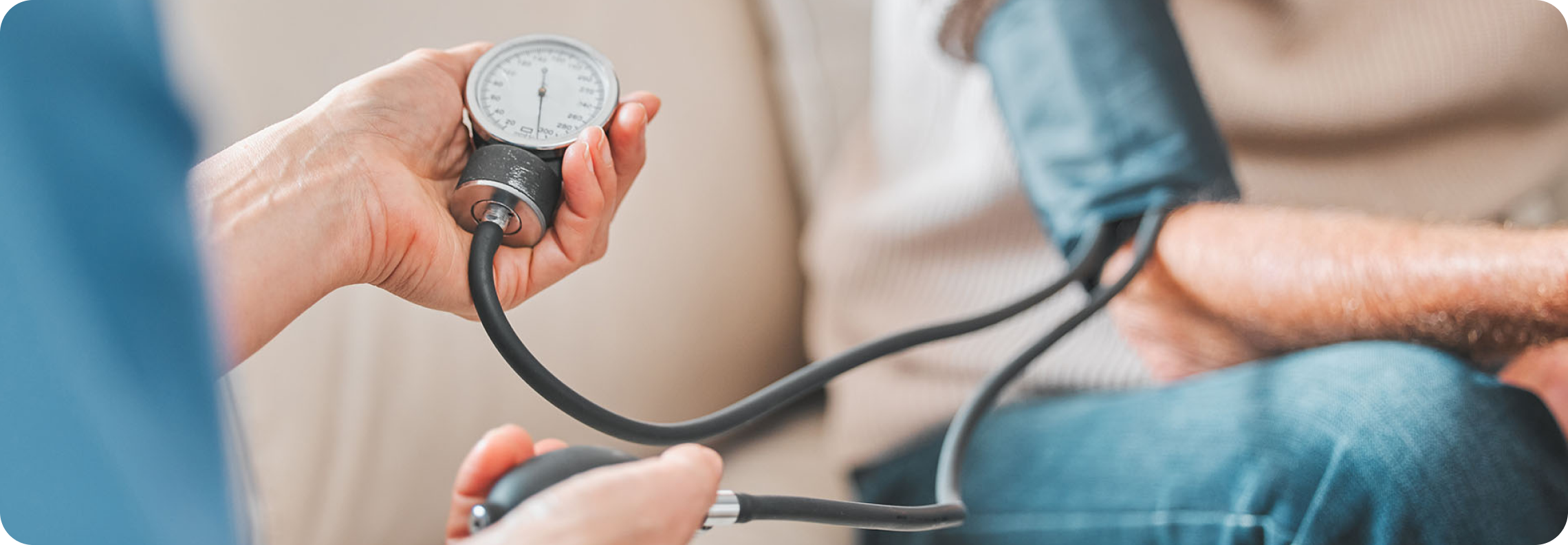
What Are the Best Exercises for Managing High Blood Pressure?
What Are the Best Exercises for Managing High Blood Pressure?
Managing high blood pressure does not always require medication. Regular physical activity is one of the most effective and natural ways to lower blood pressure and protect heart health. The key lies in choosing the right exercises, performing them safely, and staying consistent. This article explains how exercise helps lower blood pressure, what exercises you can do, what to avoid, and answers common questions. Whether newly diagnosed or looking to maintain healthy blood pressure, this guide covers everything you need to know.
What Is High Blood Pressure (Hypertension)?
High blood pressure, or hypertension, happens when blood pressure against the artery walls stays too high over time. This puts strain on your heart and blood vessels, which can lead to serious health issues such as stroke, kidney disease, and heart failure. You can learn more through various Tests for High Blood Pressure, which help track changes in blood flow and pressure.
Blood pressure is measured using two numbers:
Systolic pressure (top number): Pressure during heartbeats
Diastolic pressure (bottom number): Pressure between heartbeats
To understand these numbers better, see our comparison guide on Diastole vs Systole.
Healthy range: Less than 120/80 mmHg
High blood pressure: 130/80 mmHg or higher, consistently
Exercise helps reduce blood pressure by strengthening the heart, improving circulation, and making blood vessels more flexible.
Understanding your blood pressure numbers is the first step toward effective management and long-term heart protection.
Understand risks, choose health cover ›
Why Does Exercise Help Reduce High Blood Pressure?
Exercise plays a decisive role in controlling high blood pressure. Your heart becomes stronger and more efficient when you engage in physical activity. A stronger heart can pump more blood with less effort, which reduces the pressure on your arteries. This makes blood flow more smoothly and helps lower overall blood pressure.
Regular exercise also improves the flexibility of your blood vessels. Flexible vessels can expand and contract more easily, allowing better blood circulation. This reduces the force against artery walls and decreases the risk of damage over time.
In addition, being physically active helps manage body weight. Extra weight strains your heart and blood vessels, especially around the abdomen. Losing even a small amount of weight can lead to a significant drop in blood pressure. If you are working on weight control, pairing exercise with a High Blood Pressure Diet gives even better results.
Here are some other ways exercise helps reduce blood pressure:
It improves oxygen flow throughout your body
It lowers stress hormone levels, such as cortisol and adrenaline.
It helps regulate cholesterol and blood sugar levels.
It supports better heart rhythm and vascular health.
It boosts the release of endorphins, which help you feel more relaxed.
Most people who commit to regular exercise may notice a 5 to 8 mmHg reduction in their blood pressure. These changes often show within a few weeks of consistent activity, especially when combined with healthy lifestyle habits. Explore Home Remedies for Managing High Blood Pressure to support your efforts further.
Unlike medication, exercise does not just lower blood pressure temporarily. It addresses several root causes of hypertension at once, including stress, poor circulation, and excess weight. Over time, it builds a healthier cardiovascular system and improves overall well-being.
Aim for at least 30 minutes of moderate-intensity exercise on most days of the week to make the most of these benefits. This could be walking, swimming, cycling, dancing, or any activity you enjoy and can maintain consistently. Light activities are better than being inactive and can help build momentum toward better heart health.
Regular movement strengthens your heart, improves blood flow, and helps your body function more efficiently. It is one of the most natural and reliable ways to manage blood pressure and stay healthy in the long run.
Exercise does not just reduce blood pressure—it strengthens the entire cardiovascular system from the inside out.
Strengthen health with insurance support ›
How Much Exercise Is Recommended for High Blood Pressure?
To manage high blood pressure effectively, Indian health experts strongly recommend staying physically active most days. Regular exercise improves heart function, enhances blood flow, reduces stress, and supports a healthy weight — all of which help control hypertension.
As per the guidelines from the Ministry of Health and Family Welfare and supported by the Indian Council of Medical Research (ICMR), the general recommendation for adults with high blood pressure is:
At least 150 minutes of moderate-intensity aerobic activity per week, such as brisk walking or light cycling
Or, 75 minutes of vigorous-intensity activity per week, like running or fast swimming, for those already fit and cleared by a doctor
In addition, two days of muscle-strengthening or resistance training are also advised every week.
Moderate exercises may include a brisk 30-minute walk, five times a week. If taking out 30 minutes at once is difficult, you can break it into smaller sessions of 10 to 15 minutes during the day.
Vigorous exercises should be performed only if your blood pressure is stable and you have consulted a doctor. High-intensity workouts may include aerobic dancing, swimming laps, or sports like badminton or tennis.
Muscle-strengthening exercises, such as lifting light weights, resistance band workouts, or bodyweight exercises like squats and lunges, are crucial for supporting heart health and metabolism. You may also refer to Treatment Options for Hypertension to see how exercise compares with or supports medical treatment.
Starting slow and building up gradually is the key. Even small amounts of consistent activity can significantly improve your blood pressure over time. Move is a natural part of your day rather than a strict workout routine.
Staying active every week helps lower your blood pressure, boosts your energy, improves your sleep, and supports your overall well-being.
Staying active for even a few minutes daily adds up to meaningful improvements in blood pressure and overall wellness.
Protect progress with health insurance ›
Can Daily Walking Reduce High Blood Pressure?
Daily walking is one of the easiest and most effective ways to manage high blood pressure. It is a low-impact activity that suits people of all ages and fitness levels. Walking does not need a gym membership or expensive gear, which makes it highly accessible and sustainable in the long term.
According to the Ministry of Health and Family Welfare, incorporating daily physical activity like brisk walking is a proven way to lower systolic and diastolic blood pressure. When you walk regularly, your heart becomes stronger and pumps blood with less effort, which reduces the pressure on your arteries.
Daily walking helps in multiple ways:
Strengthens your heart and improves blood circulation
Helps lower both the top and bottom numbers of your blood pressure
Supports weight loss by burning calories and reducing fat, especially around the waist
Lowers stress levels and improves mood, which directly benefits blood pressure control
Aim to walk briskly for 30 to 45 minutes daily, at least five days a week. Brisk walking means you can talk but not sing while walking. If you are just getting started, shorter walks of 10 to 15 minutes a few times a day are also helpful.
Choose a safe walking route such as a park, terrace, or even laps inside your home. Walking with a friend, listening to music, or listening to podcasts can make it more enjoyable and consistent.
Consistent walking builds up the heart's strength, reduces harmful fats in the body, and keeps your blood vessels flexible — all essential for managing high blood pressure naturally.
A simple daily walk can be your most powerful, low-effort step toward better heart health and balanced blood pressure.
Walk into wellness, get insured ›
Is Strength Training Safe and Effective for Blood Pressure?
When done correctly, strength training is safe and beneficial for people with high blood pressure. It helps build muscle and improves how your body uses insulin, burns calories, and manages weight—all of which support healthier blood pressure levels over time.
According to health experts at AIIMS and guidelines from the Ministry of Health and Family Welfare, resistance training is a recommended form of physical activity to include in your routine for heart health. Understanding Diastole vs Systole can help track heart activity better for added insights into heart function during exercise.
Strength training works differently from cardio. While aerobic exercises like walking and swimming lower blood pressure quickly, strength training gives more lasting results by improving muscle mass and metabolism. A better metabolism means your body processes sugar and fats more efficiently, helping control blood pressure and weight.
For best results, follow these safety tips:
Use light to moderate weights to avoid strain
Aim for 10 to 15 repetitions in each set.
Focus on proper technique and posture instead of lifting heavy weights.
Avoid holding your breath while lifting; breathe out as you exert force.
Allow rest days between sessions to help your muscles recover.
Perform strength exercises at least two days a week.
Some simple strength-training exercises include wall push-ups, bodyweight squats, resistance band workouts, and light dumbbell routines. If you're over 60 or have not exercised recently, consider consulting your doctor first. Also, review How to Check Your Blood Pressure at Home before and after workouts to stay safe.
Over time, strength training improves how your heart and blood vessels function, reduces stiffness in arteries, and makes everyday activities easier—all of which contribute to better blood pressure control.
When done right, strength training builds muscle, boosts metabolism, and supports long-term blood pressure control.
Build strength, secure your future ›
Is Swimming or Cycling Beneficial for Hypertension?
Both swimming and cycling are highly effective for people managing high blood pressure. These activities are considered low-impact aerobic exercises, which means they do not put much pressure on your joints while still giving your heart and blood vessels a healthy workout.
Per guidance from the NPCDCS by the Government of India, regular aerobic exercises like swimming and cycling can help reduce and control high blood pressure.
Swimming: A Full-Body Heart-Healthy Workout
Swimming is one of the best exercises for those who prefer a gentle, full-body workout. It uses almost every muscle in the body, improves lung capacity, and promotes better circulation. The water supports your body weight, which makes it especially suitable for people with joint pain or arthritis.
Swimming helps in:
Strengthening the heart and improving stamina
Burning calories to support weight loss
Relaxing the mind and reducing stress
Lowering both systolic and diastolic blood pressure
Cycling is another heart-friendly activity that can be done both outdoors and indoors on a stationary bike. It improves leg strength and keeps your heart rate up in a steady and safe range.
Cycling helps in:
Improving blood circulation and oxygen flow
Enhancing muscle tone in the lower body
Supporting weight control and fat loss
Reducing mental stress and anxiety
Aim for 30 to 60 minutes of cycling, like swimming, three to five days a week. Always wear safety gear when cycling outdoors and avoid extreme weather conditions. If you notice varying BP levels on different days, you may want to explore What Causes Fluctuating Blood Pressure? to better understand your body's patterns.
Whether in the water or on wheels, these heart-friendly exercises offer a gentle yet powerful way to manage hypertension.
Ride smart, Insure your heart ›
Can Yoga and Breathing Exercises Help Manage High Blood Pressure?
Yes. Yoga and controlled breathing techniques (pranayama) are highly effective for managing high blood pressure. They work by relaxing your nervous system, calming your mind, and improving blood flow. Over time, regular yoga practice may lead to lower blood pressure readings and reduced stress levels.
According to the Ministry of AYUSH, yoga and pranayama are natural therapies that support heart health and hypertension management. These practices complement other strategies, such as Home Remedies for Managing High Blood Pressure.
Types of Yoga That Are Safe for Hypertension
Gentle and calming yoga styles are recommended. These include:
Hatha Yoga – Slow movement, breath control, and posture alignment
Restorative Yoga – Deep relaxation using props
Gentle Stretching with Deep Breathing – Improves flexibility and circulation.
Avoid intense styles like power yoga and inverted postures such as headstands, which can raise blood pressure temporarily.
How Often Should You Practice?
Aim for three to four weekly sessions, each lasting 30 to 60 minutes. Add pranayama techniques such as:
Anulom Vilom (alternate nostril breathing)
Bhramari (bee breath)
Chandra Bhedana (left nostril breathing)
These practices promote calmness, lower cortisol levels, and stabilise blood pressure.
Yoga is not just a form of exercise—it's a holistic tool. Combined with your medical plan and healthy diet, it can significantly enhance your control over blood pressure. Want to know more? Read about the Best Time of Day to Take Your Blood Pressure to sync your practices with your body's rhythms.
Yoga and pranayama restore calm, reduce stress, and create balance—benefits that go far beyond blood pressure control.
Breathe easy, insure your health ›
Is High-Intensity Interval Training (HIIT) Safe for People with Hypertension?
High-Intensity Interval Training (HIIT) involves short bursts of intense activity followed by rest or lighter movement. While HIIT can benefit fat loss and heart strength, it may not suit everyone with high blood pressure.
When Is HIIT Safe?
You may consider HIIT if:
Your blood pressure is already under control
Your doctor has approved high-intensity workouts.
You have a basic level of fitness.
You have no other severe medical conditions.
Always start slowly and under supervision. Begin with low-impact intervals like alternating between brisk and regular walking.
Benefits of HIIT for Hypertension
When done safely, HIIT may help:
Improve cardiovascular strength
Burn visceral fat
Lower resting blood pressure
Save time while delivering benefits.
A full HIIT session can last 15 to 30 minutes, including a warm-up and cool-down. If you experience irregular readings, refer to How to Check Your Blood Pressure at Home to ensure it's within a safe range.
Yoga and pranayama restore calm, reduce stress, and create balance—benefits that go far beyond blood pressure control.
Breathe easy, insure your health ›
What Exercises Should Be Avoided with High Blood Pressure?
While regular movement is essential, some exercises can raise blood pressure too quickly or strain your heart excessively.
Exercises to Avoid:
1
Heavy weightliftingMay cause sudden spikes
2
Holding your breath during lifts triggers the Valsalva effect, raising pressure.
3
Isometric holds(planks, wall sits) – Increase pressure due to static tension.
4
Explosive or unplanned movementsLike sprints or jumping into high-intensity drills
Instead, stick to moderate, continuous movement. You can also complement your activity with wise eating choices by reviewing the list of Foods and Drinks to avoid with High Blood Pressure.
Avoiding risky movements and focusing on safe exercises is crucial to protect your heart and manage pressure levels.
Exercise smart, stay insured always ›
Tips to Exercise Safely with High Blood Pressure
Exercise is safe and beneficial when approached correctly. Here are safety guidelines:
Warm up with 5–10 minutes of light movement
Cool down gradually after workouts.
Stay hydrated throughout your sessions.
Avoid extreme heat or cold while exercising.
Wear the right clothes and shoes for comfort
Monitor your blood pressure before and after activity
Avoid pushing yourself too hard
Consult your doctor regularly, especially if you're on medication.
Consistency is key, and gentle, steady activity wins over aggressive training. For best results, keep track of your habits and refer to Treatment Options for Hypertension to see how lifestyle compares with medication-based approaches.
With the right precautions and consistent habits, exercise becomes a safe and effective ally in lowering blood pressure naturally.
Exercise safely, protect with insurance ›
How to Stay Consistent with Exercise?
Building a sustainable workout habit takes time. Here's how to stay motivated:
Set realistic goals that you can reach
Track your progress using journals or apps.
Try variety with walking, yoga, cycling, or swimming.
Exercise with a buddy for accountability
Choose a fixed time slot that fits your routine.
Reward your consistency, not intensity.
Remember that small, consistent steps have a long-term impact even on tough days. You can find more strategies in Home Remedies for Managing High Blood Pressure to support your daily routine.
Consistency, not intensity, is the secret to managing high blood pressure and building a heart-healthy lifestyle.
Ans: Yes, regular brisk walking can help lower both systolic and diastolic blood pressure by improving heart strength and circulation. It’s a simple, low-impact activity that supports weight loss, reduces stress, and promotes heart health over time.
Q2. Is it safe to exercise if I have high blood pressure?
Ans: Yes, exercise is safe and beneficial for most people with high blood pressure when done correctly. However, it's important to consult your doctor before starting any new routine, especially if you have other medical conditions or take medications.
Q3. How soon will I see results from exercise?
Ans: You may start seeing improvements in blood pressure within a few weeks of consistent activity. Long-term results depend on your dedication, but combining exercise with diet and lifestyle changes often leads to lasting health benefits.
Q4. Should I focus on cardio or strength training?
Ans: Both forms of exercise are beneficial. Cardio (like walking, cycling, or swimming) helps lower blood pressure quickly, while strength training builds muscle and improves metabolism, offering long-term support for heart health.
Q5. Is yoga a good option?
Ans: Yes, gentle forms of yoga like Hatha or Restorative Yoga can lower stress and support healthy blood pressure. Avoid fast-paced flows or inverted poses unless approved by your doctor, especially if your BP is not yet stable.
Q6. Should I check my blood pressure before and after workouts?
Ans: Yes, especially when starting a new routine. Monitoring your blood pressure helps you track your response to exercise and ensures you're not overexerting yourself during workouts.
Q7. Can swimming lower blood pressure?
Ans: Absolutely. Swimming is a full-body, low-impact aerobic exercise that improves heart and lung function. It helps reduce stress, supports weight loss, and improves circulation, which all contribute to lower blood pressure.
Q8. Is HIIT safe for high blood pressure?
Ans: HIIT can be safe if your blood pressure is under control and your doctor has cleared you for high-intensity activity. Start slowly, monitor your response, and always include warm-ups and cool-downs in your routine.
Q9. How often should I work out?
Ans: Aim for at least 5 days a week of moderate-intensity exercise, such as walking, cycling, or yoga. Consistency is more important than intensity, so even 30 minutes a day can make a difference.
Q10. Does stretching help with blood pressure?
Ans: While stretching doesn't directly reduce blood pressure, it improves flexibility and reduces injury risk. It’s a helpful addition to a well-rounded fitness plan and supports recovery and relaxation.
*We will respond in the first instance within 30 minutes of the customers contacting us. 30-minute claim support
service is for the purpose of giving reasonable assistance to the policyholder in pursuance of the claim. Settlement of
claim (including cashless claim) is the responsibility of the insurer as per policy terms and conditions. The 30- minute claim support is subject to our operations not being impacted by a system failure or force majeure event or for reasons beyond our control. For further details, 24x7 Claims Support Helpline can be reached out at 1800-258-5881.
*Product information is authentic and solely based on the information received from the Insurer. Policybazaar is acting only as a facilitator and claims settlement shall be at the sole discretion of the Insurer. Policybazaar does not provide any medical or surgical advice or diagnosis and is not responsible for your interactions / treatment by a medical practitioner/hospital. Please consult a registered medical practitioner for any medical or surgical advice. The Information that you obtain or receive from Policybazaar, and its employees, or otherwise on the Website is for informational purposes only. As per the Insurance guidelines, you are allowed to cancel the policy with-in 30 days from the date of Issuance of policy.This option is available incase of policies with a term of one year or more.
*All the health insurance plans cover hospitalization expenses including COVID-19 treatment cover up to the specified limits. You can also buy specific COVID-19 health insurance policies such as Corona Kavach Policy and Corona Rakshak policy.
**All savings and online discounts are provided by insurers as per IRDAI approved insurance plans. #Tax Benefits are subject to changes in tax laws.
*₹1748/month is the starting price for a 1 crore health insurance for an 18-year-old male, with no pre-existing diseases. Discount on renewal premium is subject to the number of wellness points earned in the health insurance policy. For more details about the plans, please read the sale brochure carefully to get upto 100% discount on renewal premium.
*₹400/month is the starting price for ₹ 5 lakh Health insurance for a 30 year old male & 29 years old female, living in Delhi with no pre-existing diseases
*₹541/month is the starting price for ₹ 10 lakh Health insurance for a 30 year old male & 29 years old female, living in Delhi with no pre-existing diseases
*₹762/month is the starting price for ₹ 1 Crore Health insurance for a 30 year old male & 29 years old female, living in Delhi with no pre-existing diseases
*₹243/month(₹ 8/day) is the starting price for a 5 lakh health insurance for a 20-year-old male, non-smoker, living in Bengaluru with no pre-existing diseases
*₹2020/month is the starting price for ₹ 1 Cr Health insurance for a 50 year old male & 50 years old female, living in Bangalore with no pre-existing diseases rounded off to nearest 10.
*₹390/month (₹13 per day) is starting price for 1 cr. Health insurance for 25 years old male, with pre-existing diseases, residing from tier 1 city rounded off to the nearest 10.
*No medical tests are required unless requested by the insurer’s underwriter. In-case of pre-existing diseases relevant medical proof would be required as per the terms and condition of the policy opted.
*The values taken for effective cost calculation are indicative values and may change as per the selected plan.
*Coverage upto double the amount of Sum Insured is available on certain covers for a minimum plan of Rs. 5 Lakh on the first claim only to an individual of upto 45 years of age with no pre-existing diseases. The benefit is available with or without extra cost depending on the plan chosen.
*Coverage of pre-existing diseases is provided by insurer as per their underwriting policy.
*The scope of coverage may vary from plan to plan.
##On ground claim assistance is available in 114 cities
Tax Benefits are subject to changes in tax laws. For more details on risk factors, terms and conditions, please read the sales brochure and applicable rules and regulation carefully before concluding a sale.
STANDARD TERMS AND CONDITIONS APPLY. For more details on risk factors, terms and conditions, please read the sales brochure carefully before concluding a sale.
Policybazaar is a registered Composite Broker |Registration No. 742, Valid till 09/06/2027, License category- Composite Broker| Visitors are hereby informed that their information submitted on the website may be shared with insurers.