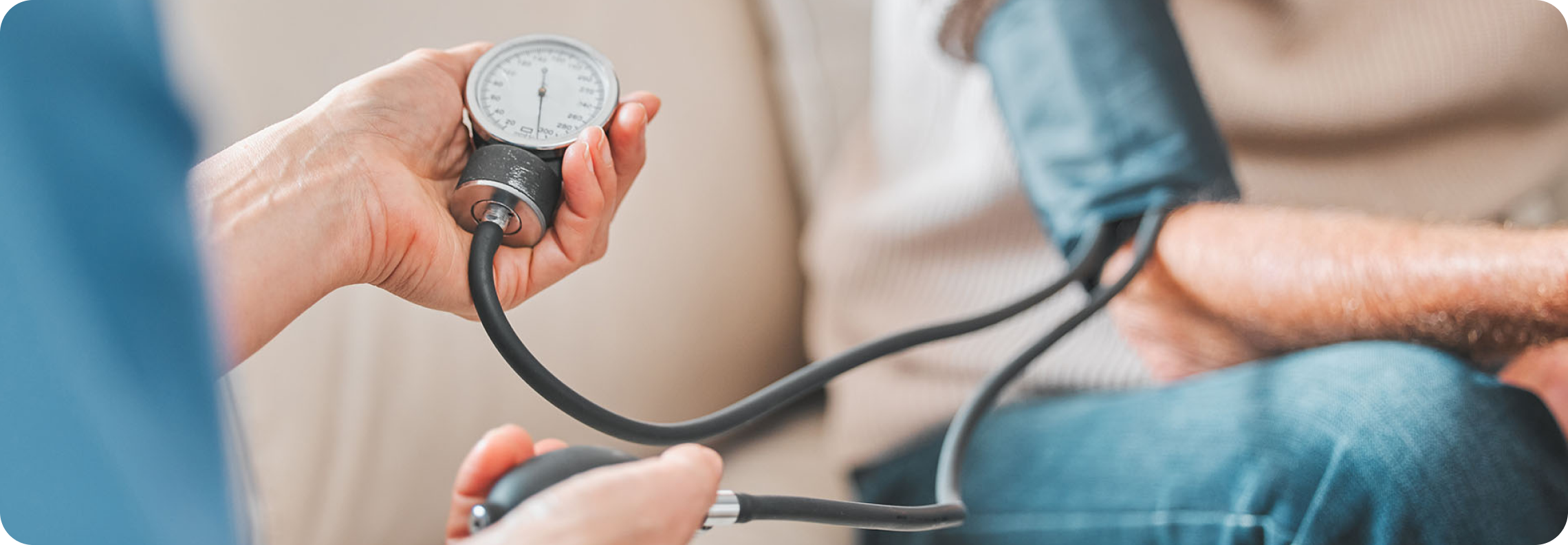
Why Does Time of Day Matter for Blood Pressure Readings?
Blood pressure isn't static throughout the day; it naturally fluctuates according to your body's internal clock, a pattern known as the circadian rhythm. Understanding this rhythm helps ensure your readings are accurate and consistent, especially if you monitor for hypertension or manage conditions like diabetes.
Several factors influence these daily changes in blood pressure, including:
1
Your sleep and wake cyclesBlood pressure is typically lowest during deep sleep and starts rising a few hours before you wake up. This natural morning surge is why early readings often show higher numbers.
2
Physical activity levelsMovement increases circulation and temporarily raises blood pressure. Sedentary periods tend to lower it, while mild exertion can cause a short-term spike.
3
Emotional stress or relaxationAnxiety, frustration, and stress can elevate your blood pressure. On the other hand, calm, restful states help bring it down.
4
Meals, caffeine, and medicationBlood pressure can rise after eating salty or heavy meals, consuming caffeine, or taking certain medications. The timing of these can impact your results significantly.
Typically, your blood pressure:
Rises in the early morning (part of your body's preparation for waking)
Peaks during the mid-morning to afternoon
Gradually lowers in the evening.
Reaches its lowest during deep sleep.
If you monitor high blood pressure, being aware of this pattern is essential for effectively managing your condition. Accurate timing is also crucial for people with diabetes, where blood pressure control is closely tied to overall cardiovascular risk. Explore our related article on Symptoms of High Blood Pressure to understand the underlying signs better.
Additionally, if you have diabetes and are undergoing regular lab work, timing can influence results beyond blood pressure. Learn more in Fasting and Non-Fasting Bloodwork for Diabetes to ensure your check-ups reflect your health status.
Knowing when your pressure naturally rises and falls gives you clearer insight into your heart's health.
Protect timing with witty coverage ›
When Is the Best Time of Day to Check Your Blood Pressure?
The timing of your blood pressure measurement matters to get accurate and meaningful readings. Experts generally recommend measuring it twice a day:
In the morning: Before eating, drinking caffeine, or taking any blood pressure medication
In the evening: Before dinner or at least 30 minutes after physical activity or emotional stress
Taking your blood pressure at these two consistent times can uncover trends that help fine-tune your treatment plan and detect changes early.
Morning is the ideal time to record your baseline blood pressure—the most neutral reading, free from external influences like food, medication, or activity. To get the most accurate result:
Empty your bladder first
Sit quietly for 5 minutes.
Measure before breakfast or caffeine
If Take it before your medication (unless your doctor advises otherwise)
The morning blood pressure surge is a natural part of the circadian rhythm, but for people with diabetes or heart disease, this spike can be risky. Morning readings can signal whether your medication is working or needs adjustment.
Evening readings reflect the accumulated effects of your day, including stress, physical activity, meals, and medication effectiveness. This time of day helps answer:
Did your blood pressure medication last through the day?
Did dietary choices (like salt intake) impact your numbers?
Was your stress well managed?
For individuals managing type 2 diabetes, incorporating natural approaches, like those outlined in our guide on Natural Remedies for Type 2 Diabetes, can be a valuable addition to your morning routine.
And suppose you are newly diagnosed with high blood pressure. In that case, our article on Effective Ways to Lower Your Blood Pressure offers practical steps to help you create a steady monitoring habit and take control of your numbers.
Checking consistently ensures your numbers reflect your baseline and daily variation.
Stay consistent with your plan ›
How Often Should You Measure Blood Pressure at Home?
Consistent home monitoring is a key part of managing high blood pressure effectively. For most individuals, especially those recently diagnosed or adjusting to treatment, the ideal schedule includes:
Twice daily readings — once in the morning and once in the evening
Measuring at the same time every day to reduce variability
Averaging two readings taken 1 minute apart for accuracy
Your doctor may advise daily tracking for several weeks during the initial diagnosis phase or after a medication adjustment. This helps establish a clear picture of how your blood pressure responds to treatment, lifestyle, or stress.
Once your readings are consistently within the target range, your provider may suggest scaling back to a few times per week, as long as no symptoms or concerns arise.
If you are living with Type 2 diabetes, monitoring may need to be more frequent. Blood pressure in people with diabetes can spike after meals or insulin intake, making structured self-monitoring even more critical. Combining regular checks with Meal Planning strategies may help stabilise blood sugar and blood pressure, especially when meals are high in carbohydrates or sodium.
A steady check-in rhythm helps track progress and guides smarter care choices.
Track often with full support ›
Factors That Can Distort Blood Pressure Readings
Avoid measuring your blood pressure:
Right after waking up
After eating, exercising, or consuming caffeine
When feeling stressed, cold, or full
With a full bladder
While talking, laughing, or moving
For the most accurate result:
Sit in a quiet place
Rest for 5 minutes before measuring.
Keep your arm at heart level and feet flat on the floor.
Avoiding common errors helps you get readings that truly represent your health.
Avoid errors with coverage today ›
Should You Be Concerned About Morning Blood Pressure?
Morning is a critical time for blood pressure monitoring. As part of the body's natural circadian rhythm, blood pressure rises sharply in the first few hours after waking. While this is normal, an exaggerated morning surge can increase the risk of serious health events, especially for those with existing cardiovascular or metabolic conditions.
Potential risks of elevated morning blood pressure include:
Heart attacks due to increased arterial pressure
Strokes caused by sudden spikes in blood vessel stress
Kidney damage from prolonged high pressure during the early hours
If your blood pressure readings are consistently high in the morning, it may signal that your current treatment plan needs adjustment. Your healthcare provider might recommend modifying the timing or dosage of medications to control early-morning spikes better.
This pattern is especially concerning for people living with both hypertension and Type 2 diabetes, who are already at increased risk for vascular complications. In such cases, integrating natural strategies like those in our guide on Natural Remedies for Type 2 Diabetes may help support morning balance through lifestyle, stress management, and dietary choices.
To better understand the long-term risks of elevated blood pressure, visit our in-depth resource: What High Blood Pressure Can Do to Your Body.
High morning readings can point to hidden risks if left unchecked.
Catch surges with early cover ›
Is Evening Blood Pressure Reading better?
Evening blood pressure checks show how your body reacts throughout the day. Elevated evening readings may indicate:
Insufficient medication effect
Poor dietary choices
Lack of physical activity
Emotional or work-related stress
Persistent high readings at night can point to a condition called non-dipping hypertension, which is more common in people with Type 2 diabetes and chronic kidney disease. Explore Treatment Options for High Blood Pressure (Hypertension) to learn about long-term management strategies.
Evening checks help you see if daily habits and treatment are making a difference.
Evening insights need strong backup ›
Tips to Get the Most Accurate Blood Pressure Reading
To ensure your blood pressure readings reflect your cardiovascular health, following proper technique every time you measure is essential. Inaccurate readings can lead to misdiagnosis, delayed treatment, or unnecessary medication adjustments.
Here are essential tips for accurate home blood pressure monitoring:
Sit quietly for at least 5 minutes before taking a reading to let your body settle
Use a clinically validated monitor with the right cuff size for your arm.
Keep your arm supported at heart level while sitting in a relaxed position.
Take two consecutive readings, spaced about one minute apart, and record the average.
Avoid caffeine, exercise, smoking, and meals for at least 30 minutes before.
These best practices help eliminate temporary spikes and fluctuations caused by environmental or physical stressors.
If you are living with prediabetes or navigating early-stage hypertension, consistency in measurement is particularly important. It allows for early detection of patterns that could indicate progression. Following the preventive lifestyle habits outlined in How to Stop Prediabetes in Its Tracks can support healthier readings and long-term heart health.
Simple steps in measuring can mean the difference between correct readings and misleading results.
Measure right with full cover ›
Learn the Science Behind Your Numbers
Blood pressure readings aren't just numbers; they tell a detailed story about your heart's function. Knowing what each part of the reading means can help you spot early signs of trouble and take timely action.
Every blood pressure measurement consists of two values:
Systolic pressure (top number): This measures the force your blood exerts on artery walls when your heart actively pumps
Diastolic pressure (bottom number): This shows the pressure while your heart rests between beats
Both values matter. A high systolic reading may point to stiff arteries or overactive heart function. In contrast, an elevated diastolic reading can indicate resistance in the blood vessels, especially when you are at rest.
To better understand how these numbers interact, visit Diastole vs. Systole: Know Your Blood Pressure Numbers for a detailed guide on interpreting your results and what they may signal about your overall heart health.
Understanding systolic and diastolic values reveals more about your heart function than the numbers alone.
Know numbers, choose a smart cover ›

FAQs

  • Q1. What is the ideal time of day to take blood pressure?

    Ans: The ideal time is in the morning and evening before meals or medications. This helps capture the most accurate baseline readings.
  • Q2. Should I take my blood pressure before or after taking medication?

    Ans: You should take your blood pressure before medication. This shows how your body functions without its influence.
  • Q3. Can I take my blood pressure after eating?

    Ans: Yes, but waiting 30 to 60 minutes after meals is best. Food can cause temporary changes in your blood pressure.
  • Q4. How many times a day should I check my blood pressure?

    Ans: Most people should check it twice daily—once in the morning and once in the evening. This helps track your daily pattern.
  • Q5. Why is my blood pressure higher in the morning?

    Ans: Blood pressure rises naturally in the morning due to your body's wake-up cycle. In some, this spike may be too high and needs attention.
  • Q6. Can stress affect my blood pressure readings?

    Ans: Yes, both mental and physical stress can raise your readings. That's why it is important to rest quietly before measuring.
  • Q7. Is taking my blood pressure multiple times in a row okay?

    Ans: Yes, taking two readings a minute apart is fine. Averaging them gives a more accurate result, but avoid repeated checks out of anxiety.
  • Q8. Should I track blood pressure at the same time every day?

    Ans: Yes, tracking daily simultaneously makes your readings easier to compare. This helps identify meaningful trends.
  • Q9. Can exercise affect my blood pressure reading?

    Ans: Yes, exercise raises blood pressure temporarily. Wait at least 30 minutes after a workout before checking.
  • Q10. How can I tell if my blood pressure readings are accurate?

    Ans: To ensure accuracy, use a reliable monitor and proper technique. Follow the steps in Tests for High Blood Pressure for best results.