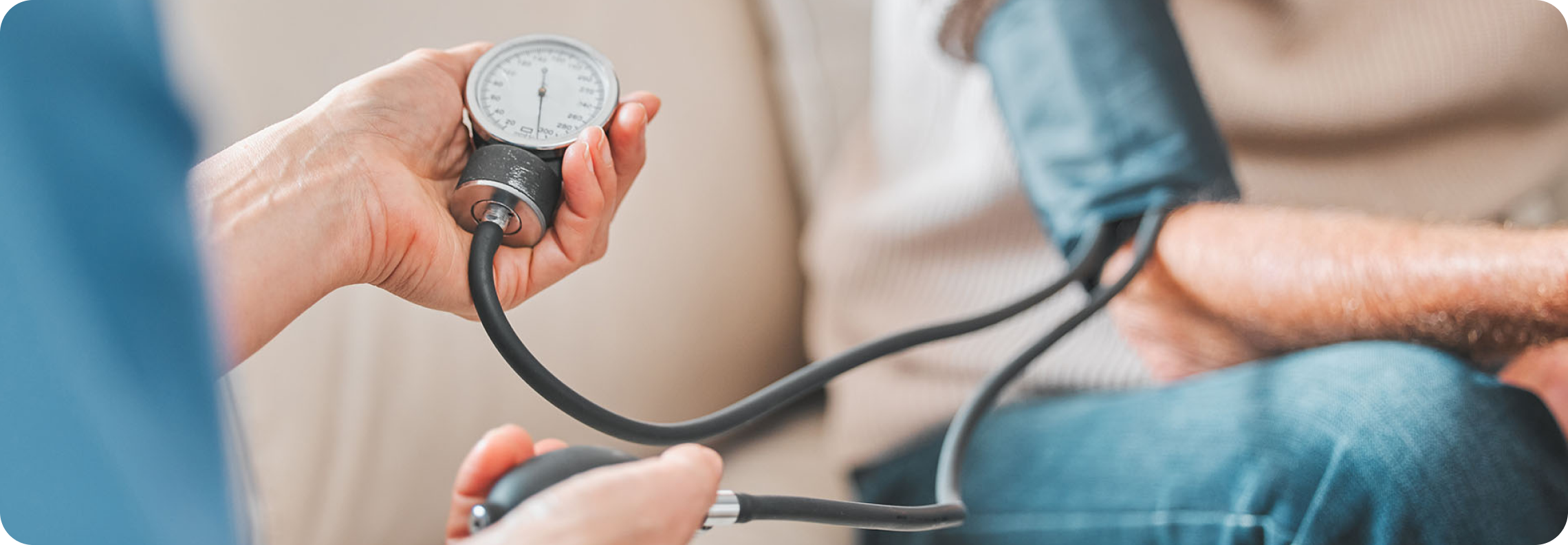
What Is Blood Pressure?
Blood pressure is a vital indicator of your overall cardiovascular health. It refers to the force that your circulating blood exerts against the walls of your arteries as your heart beats and rests. This force ensures that oxygen and nutrients are delivered efficiently to every body part—from your brain and muscles to your vital organs.
Your blood pressure is expressed as two numbers, typically written as one over the other (e.g., 120/80 mmHg), where mmHg stands for millimetres of mercury, the standard unit of pressure. These two numbers represent:
Systolic pressure (top number) is the pressure in your arteries when your heart actively contracts and pumps blood into the body. It reflects the workload your heart performs during each beat.
Diastolic pressure (bottom number) measures when your heart rests between beats, refilling with blood. It represents the baseline resistance your arteries maintain even when the heart is not pumping.
A regular blood pressure reading is generally less than 120/80 mmHg. However, what matters most is consistency and individual health context. Too high or too low blood pressure can affect your energy levels, cognitive clarity, and organ function over time.
Regular blood pressure monitoring offers valuable insights into your heart's condition and can help detect early signs of health issues. This is especially important if you are managing conditions like Prediabetes, Type 2 Diabetes, high cholesterol, or kidney-related concerns. Even if you are feeling perfectly fine, keeping an eye on your blood pressure helps you stay proactive about your health and avoid preventable complications.
Understanding your blood pressure is the first step to a healthier you
Secure your health today ›
What Is Systole?
Systole is the powerful phase of your heartbeat when your heart muscles contract to pump oxygen-rich blood from the heart into your arteries. This essential surge delivers life-giving blood to every part of your body, supporting everything from clear thinking to strong muscles and vibrant energy.
When you see your blood pressure reading, the systolic number is the top figure — for example, the 130 in a reading of 130/80 mmHg. This number represents the highest pressure your blood exerts against your artery walls with each heartbeat. It provides valuable insight into how well your heart works and whether it is under strain.
While an elevated systolic pressure, especially for those over 50, can be an early warning sign of high blood pressure (hypertension), it is essential to remember that this is a manageable condition. The good news is that you can take control and support your heart health with thoughtful lifestyle choices.
Simple, positive steps like regular exercise, reducing salt intake, eating various fruits and vegetables, managing stress, and maintaining a healthy weight can help lower your systolic pressure over time. These habits protect your heart and boost your well-being, energy, and resilience.
Regularly monitoring your systolic pressure empowers you to stay proactive and make meaningful changes that promote long-term health and vitality. Your heart is strong, and with care, it will keep supporting you every step of the way.
Keeping systolic pressure within range supports heart health and longevity.
Secure your health today ›
What Is Diastole?
Diastole is the quiet yet vital phase of your heartbeat — when your heart takes a well-earned rest between beats. During this time, the heart muscle relaxes and the chambers refill with oxygen-rich blood from the lungs, preparing for the next powerful contraction. While it may seem passive, diastole is critical in your heart's ability to stay strong, nourished, and efficient.
When you check your blood pressure, the diastolic pressure is the bottom number — for example, the 80 in a 120/80 mmHg reading. This value reflects the pressure in your arteries when your heart rests. It is maintained by the flexibility and health of your blood vessels, allowing blood to flow steadily to your brain, kidneys, and other organs even when the heart is between beats.
While it often goes unnoticed, abnormal diastolic readings can quietly signal underlying concerns. A high diastolic pressure (above 90 mmHg) might suggest stiff arteries, hormonal changes, or vascular inflammation. On the other hand, a low diastolic pressure (below 60 mmHg) could result from dehydration, certain medications, or reduced blood volume.
But here's the good news: your diastolic pressure is something you can influence in meaningful ways. Simple, consistent actions — staying hydrated, eating heart-healthy foods, staying active, managing stress, and getting quality sleep — can help keep diastolic readings in a healthy range. If you manage conditions like Type 1 diabetes or Type 2 Diabetes, even minor improvements in lifestyle can lead to significant benefits in cardiovascular health.
Regular blood pressure checks and a proactive mindset can support your heart's rhythm of rest and recovery, empowering your body, protecting your organs, and enhancing your overall vitality.
Balanced diastolic pressure ensures your heart rests and recovers effectively.
Get insured for a healthier tomorrow ›
Key Differences: Diastole vs. Systole
Aspect
Systole (Top Number)
Diastole (Bottom Number)
Heart Phase
Contraction (the heart pumps blood out)
Relaxation (heart fills with blood)
Pressure Level
Higher (e.g., 120–140+)
Lower (e.g., 60–90)
Importance
Indicates peak heart workload
Indicates arterial resistance between beats
Ideal Range
Less than 120 mmHg
Less than 80 mmHg
Risks if High
Stroke, heart attack, arterial damage
Organ strain, vessel stiffness
Risks if Low
May affect circulation and oxygen delivery
Fatigue, dizziness, reduced blood flow
Compare diastolic and systolic pressure to understand your complete heart health picture.
Get insured today ›
What Your Blood Pressure Numbers Mean?
Understanding your blood pressure readings is key to protecting your long-term heart and vascular health. Your blood pressure is expressed as systolic over diastolic (e.g., 120/80 mmHg). This simple pair of numbers offers powerful insight into how well your heart functions and what steps you may need to take next. Whether you are managing Type 1, Type 2, or Gestational Diabetes, tracking your blood pressure ensures your heart gets the care it needs.
Your blood pressure category is more than a number; it is a blueprint for action. Knowing where you stand helps you:
Make informed health choices
Prevent complications early
Create a tailored plan with your healthcare provider.
Let us break down what each category means and how you can respond positively and proactively:
This is the ideal range for most adults. A systolic pressure under 120 and a diastolic pressure under 80 suggests your heart and arteries are in excellent shape. If your reading falls here:
Keep up a balanced diet rich in fruits, vegetables, and whole grains
Stay active with moderate physical exercise, like walking or yoga.
Manage stress with techniques like meditation or deep breathing.
Limit excess salt and added sugar.
Maintaining this range can prevent progression into prediabetes, hypertension, or other cardiovascular issues.
This is considered a warning zone. Your systolic pressure is slightly higher than usual, but your diastolic pressure is below 80. You do not have high blood pressure at this stage, but you are at a greater risk of developing it if changes aren't made.
You can turn this around by:
Incorporating fibre-rich foods, like oats and leafy greens
Reducing sodium intake
Walking at least 30 minutes a day
Staying well-hydrated and getting adequate sleep
Many people in this stage are unaware of the risk. Early lifestyle adjustments can make all the difference.
This stage marks the beginning of actual high blood pressure. It is a signal to start consistent management, especially if you have other risk factors such as:
Type 2 Diabetes
High cholesterol
Family history of heart disease
At this stage, your doctor may recommend:
Daily blood pressure monitoring
Targeted dietary changes (like the DASH diet)
Increased physical activity
Possibly starting low-dose medication.
The good news? With the proper support, many people lower their readings naturally or avoid progressing to Stage 2.
This range represents moderately high blood pressure, and action is crucial. Without treatment, your risk of complications such as kidney disease, vision problems, or stroke increases significantly.
Doctors often prescribe:
Medication to help reduce pressure
A personalised lifestyle plan to address weight, stress, and diet
Regular check-ins and lab tests to evaluate overall organ health
Support and consistency are key to reversing damage and improving quality of life.
This is a medical emergency. At these levels, the pressure on your arteries becomes dangerously high and may lead to:
Organ damage
Heart failure
Stroke
Loss of vision or kidney failure
If your reading reaches this stage:
Seek emergency care immediately
Do not wait for symptoms—even if you feel fine.
Follow up with a specialist to identify underlying causes.
Understanding your blood pressure range empowers early action and lasting health.
Secure your coverage today ›
What Causes Changes in Systolic and Diastolic Pressure?
Understanding what drives your blood pressure numbers, both systolic and diastolic, can help you take control of your cardiovascular health. These numbers are influenced by various lifestyle, physiological, and medical factors, and recognising them early allows for targeted interventions.
Let us explore the leading causes behind systolic and diastolic pressure fluctuations and how you can manage them effectively.

Systolic Pressure Triggers (Top Number)

Your systolic pressure reflects the force of blood against artery walls during heartbeats. It is essential for individuals over 50, as systolic readings increase with age. Here are the common factors that affect it:
1
Arterial Stiffness (Often Age-Related)As you age, arteries lose elasticity, making it harder to expand. This leads to higher pressure when your heart pumps blood.
2
Emotional Stress or AnxietyStress triggers the release of adrenaline and cortisol, temporarily spiking blood pressure. Chronic emotional stress may result in sustained hypertension.
3
Hormonal Changes (Thyroid or Adrenal Glands)Overactive thyroid or adrenal conditions (like hyperthyroidism or Cushing's syndrome) can cause the heart to beat faster and more forcefully, raising systolic levels. Early diagnosis and hormone regulation can lead to significant improvements in systolic readings.
4
High-Sodium Diet or Being OverweightA diet high in processed or salty foods retains water in the body, increasing blood volume and pressure in your arteries. Excess weight adds further strain on the heart.

Diastolic Pressure Triggers (Bottom Number)

Diastolic pressure shows how much pressure your blood exerts on artery walls when your heart rests between beats. It is essential for younger individuals and athletes, as persistently high or low diastolic values can be early warning signs.
1
Narrowed Arteries from Plaque BuildupWhen arteries are narrowed due to plaque (atherosclerosis), they become less flexible. This increases resistance during the heart's resting phase, elevating diastolic pressure. A healthy diet and regular movement can slow or reverse arterial plaque formation.
2
Kidney Dysfunction or Hormonal ImbalancesThe kidneys are vital in regulating blood pressure through fluid and salt balance. If they aren't functioning well, or if hormones like aldosterone are imbalanced, it can lead to higher diastolic pressure.
3
Heavy Caffeine Intake or Chronic StressConsuming excess caffeine or experiencing persistent stress keeps your nervous system in overdrive, which may elevate diastolic numbers, especially in young adults and women.
Note: Consider replacing high-caffeine drinks with herbal teas or infused water to support relaxation and vascular health.

Why It Matters

By identifying the specific causes behind changes in systolic and diastolic pressure, you can:
Target your lifestyle changes more effectively
Catch early warning signs of hidden conditions.
Prevent long-term complications such as stroke, kidney failure, or heart attack.
Knowing what affects your pressure helps you make informed daily choices.
Take charge of your well-being ›
How to Maintain Healthy Blood Pressure
Maintaining healthy blood pressure isn't about perfection—it is about progress. A lifestyle change, like adding a short daily walk or choosing more whole foods, can move your numbers in the right direction. When these small habits add up, the results can be life-changing. With a positive mindset and consistent effort, you can support both systolic and diastolic health, reduce risk, and feel stronger day by day. Here's how to begin:
1
Balanced nutritionAdopt a Mediterranean or DASH-style diet—full of whole grains, fruits, veggies, lean protein, and low salt.
2
Move dailyAim for 150 minutes of moderate exercise weekly—walking, biking, or yoga helps both systolic and diastolic health.
3
Watch your weightEach kilogram lost can lower your blood pressure by about 1 mmHg.
4
Stress reliefPractices like mindfulness, breathing exercises, laughter, or nature walks calm the nervous system.
5
Limit stimulantsCut down on alcohol and caffeine—they can raise pressure quickly.
6
Sleep wellPoor sleep raises morning blood pressure. Aim for 7–9 hours. Sleep apnea should be treated if present.
7
Medication adherenceTake prescribed medicine exactly as directed—talk to your doctor before any changes.
Even small lifestyle changes can make a lasting impact on your numbers.
Get health insurance that supports you ›
When to See a Doctor
Taking charge of your heart health is a decisive step toward a vibrant life. While occasional changes in blood pressure are regular, paying attention to your body and knowing when to seek support can make all the difference. Do not hesitate to reach out if you notice specific patterns or symptoms. Your healthcare provider is there to help you stay strong and healthy. Here are some critical signs to watch for:
You consistently record 130/80 or higher, especially with symptoms.
You experience headache, chest pain, shortness of breath, or episodes of fatigue.
You have Type 1 or Type 2 Diabetes, high cholesterol, or a family history of cardiovascular disease.
Your blood pressure doesn't improve despite lifestyle efforts—more advanced evaluation may be necessary.
Timely consultation can prevent complications and support heart wellness.
Secure health with trusted coverage ›

FAQs

  • Q1. What happens if only systolic pressure is high?

    Ans: You should check your blood pressure at least once a year. If it is high or you are on medication, check it more often.
  • Q2. Can a low diastolic pressure be dangerous?

    Ans: Yes. If diastolic pressure drops below 60 mmHg, it may not deliver enough oxygen-rich blood to your organs, leading to dizziness, fatigue, or even fainting, especially in older adults or those on certain medications.
  • Q3. Which is more concerning, systolic or diastolic?

    Ans: Both are important, but systolic pressure is usually more predictive of cardiovascular events in people over 50. Diastolic pressure matters too, especially in younger adults or those with vascular conditions.
  • Q4. Does white-coat syndrome affect these numbers?

    Ans: Yes. Anxiety in clinical settings can cause temporary spikes in both systolic and diastolic readings. Regular home monitoring offers a clearer picture of your usual blood pressure.
  • Q5. How often should I check my pressure?

    Ans: If your blood pressure is normal, yearly checkups are usually enough. If it is elevated or if you have conditions like diabetes or kidney disease, home monitoring 1–2 times a week is recommended.
  • Q6. Can breathing exercises lower blood pressure?

    Ans: Absolutely. Reducing stress hormone levels, deep breathing, meditation, and slow exhalation techniques help relax blood vessels and lower systolic and diastolic pressure.
  • Q7. Does blood pressure rise after meals?

    Ans: In some people, blood pressure can increase slightly after eating, especially if the meal is high in salt, carbs, or fat. Monitoring after meals can help detect these spikes and guide diet changes.
  • Q8. Do antihypertensive medicines affect these numbers?

    Ans: Yes. Different medications work on systolic, diastolic, or both. Your doctor will tailor treatment based on your readings, risk factors, and how your body responds to each type of drug.
  • Q9. Can exercise lower just systolic or diastolic?

    Ans: Regular aerobic exercise generally lowers both numbers, with a slightly greater impact on systolic pressure. It also strengthens your heart and improves overall circulation.
  • Q10. What blood pressure is safe for sleep?

    Ans: Healthy nighttime blood pressure is typically 10–20% lower than daytime. If your pressure stays high while sleeping, it may indicate nocturnal hypertension and require further testing.