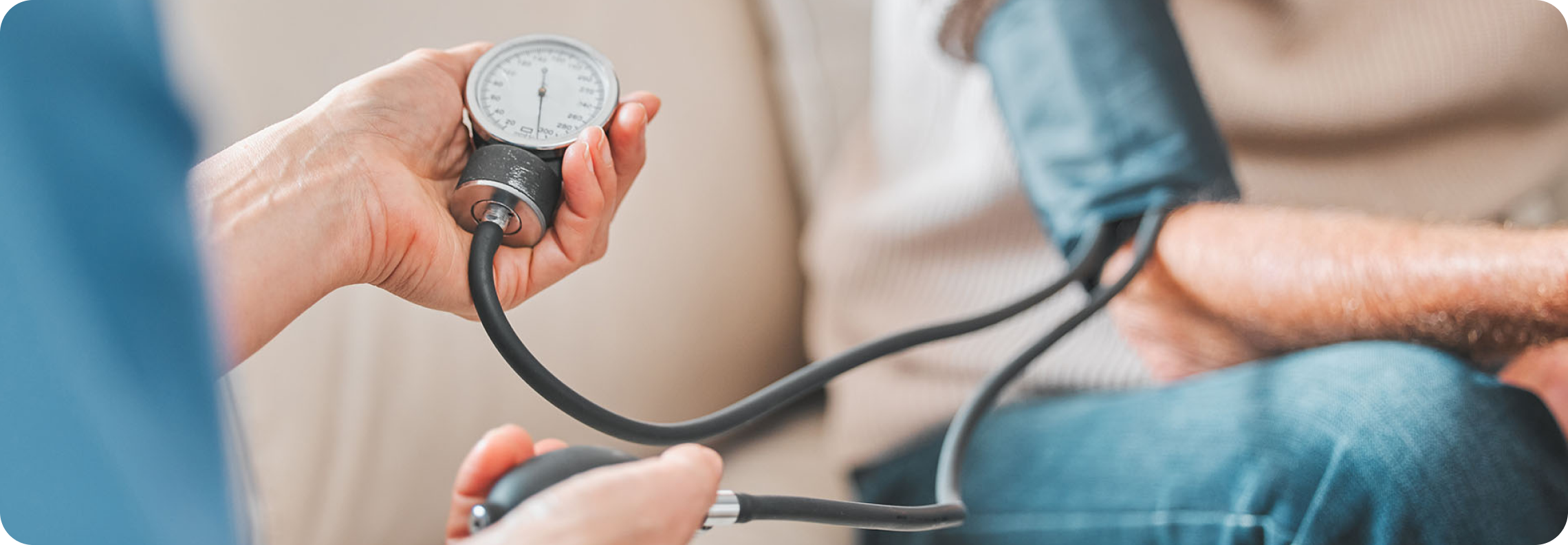
How can regular exercise help you lower your blood pressure?
Regular physical exercise can help you maintain optimal blood pressure without medications, especially for mild hypertension. The science behind high blood pressure is that your heart has to work twice as hard to pump blood effectively, resulting in heart attack, stroke, and kidney failure.
Once your cardiovascular system is affected, it can give rise to several other health risks. This is where exercise plays a crucial role. Though it is evident that it lowers blood pressure, understanding how it works can motivate you to take proactive actions for better heart health.
Here is how exercising can help lower your blood pressure:
1
Improved heart healthExercise strengthens your heart and improves blood flow. The heart can now pump blood smoothly without any exertion, thus lowering the blood pressure levels.
2
Less strain on blood vesselsExercise can help you improve the efficiency of your heart, ensuring the free flow of blood. This free flow of blood will decrease the excessive strain on the blood vessels, which can prevent any sudden outbursts.
3
WeightExercise can help you lose weight and reduce the strain on your heart and blood vessels. Reduced strain will help you maintain your blood pressure levels.
4
Improved cardiovascular healthExercise can help you maintain cardiovascular health, a key factor in preventing heart-related conditions.
Managing your hypertension with the proper care and insurance is crucial.
Take the next step in care
How can weight loss control your blood pressure levels?
Weight reduction is associated with lower blood pressure levels and will help you mitigate the risks of developing other health complications. It is an excellent medium to improve your BP levels and boost your metabolism.
Benefits of weight loss:
1
Improved sleep cycleWeight loss will help you regulate your sleep cycle by balancing your hormones. This will solve the problem of insomnia and sleep apnea if you are experiencing them due to high blood pressure.
2
Hormone regulationBeing overweight often disrupts the functioning of hormones, causing several health risks. Weight loss will support hormone regulation, improve sleep cycle, and regulate all the functions aided by hormone secretion.
3
Improved Insulin resistanceWeight loss supports improved insulin sensitivity, crucial in managing blood pressure levels. Obesity affects cardiovascular health and can lead to Diabetes and hypertension together.
4
A healthier heartWeight loss will reduce the excessive strain on your heart and improve the blood flow. A healthy heart indicates healthy well-being.
5
Less strain on blood vesselsWeight loss regulates your blood flow by improving your heart health and reducing the excessive strain on the vessels. Properly functioning vessels will ensure effective blood flow and circulation.
Eat healthy and stay healthy with an ideal coverage.
Turn care into action
How can a balanced diet help you manage your blood pressure?
A balanced diet is a cornerstone for effectively managing high blood pressure. Healthy dietary choices and consistent exercise can do wonders for your health. Diet is often perceived as a tough road to follow, but all you need is to incorporate small and consistent changes to see improvement in your levels. Doctors usually recommend opting for a healthy lifestyle as the primary treatment for mild to moderate hypertension. Considering the dietary requirements, a DASH diet is recommended for high blood pressure, explicitly catered to aid cardiovascular health.
Once you realise that he food you eat is not just to satiate your hunger; it is the fuel that keeps your body running, following a diet will become easy. Therefore, being mindful of what you consume and meal planning are the keys to ensuring overall well-being. You can start your diet journey by including a hypertension-friendly diet with low-sodium foods packed with essential nutrients to avoid blood pressure spikes. For mindful eating, consuming the right calories is as important as consuming quality calories, that is, to have nutrient-packed meals.
Make sure to include these nutrients in a balanced meal:
1
MagnesiumMagnesium helps relax your blood vessels, which exerts less strain on the circulatory system.
2
CalciumCalcium helps in improving the functioning of blood vessels by tightening and Relaxing them based on the requirement.
3
NitratesNitrates convert to nitric oxide inside the body. This nitric oxide helps in the relaxation of the blood vessels.
4
PotassiumPotassium helps relax the blood vessels and remove extra sodium from the body, managing the sodium levels in the body.
5
Omega-3 fatty acidsOmega-3 fatty acids are a healthy source of fats. They can help decrease the rate of plaque buildup in the blood vessels.
Complications can be unpredictable - ensure you have the proper health support.
Get covered today
Which Foods Can Help You Lower Your Blood Pressure?
Following a proper diet and making healthy food choices can do wonders for your health. See your body as an engine, where the food you consume is the fuel, and to ensure a smooth performance, it is essential to be mindful of what you eat.
Here is a list of foods to include in your daily diet to manage hypertension:
1
VegetablesInclude broccoli, carrots, and spinach, as they contain potassium and nitrate, which help remove excess salt and relax the blood vessels.
2
FruitsInclude bananas, berries, and citrus fruits as they are packed with antioxidants and potassium. They help in improving the functioning of the blood vessels.
3
Low-fat dairyInclude nonsweetened curd, milk, and ghee to regulate insulin sensitivity and cholesterol. It helps in lowering the systolic blood pressure.
4
Whole GrainsAdd oatmeal, whole-grain bread, quinoa, and millets to your diet as they are rich in magnesium and fibre. It helps in lowering both systolic and diastolic blood pressure.
5
Nuts & SeedsInclude flaxseeds, cashews, and almonds as they are highly nutritious and have healthy amino acids, which can reduce inflammation and lower pressure.
6
Lean ProteinLean protein, like eggs, salmon, and tofu, can help you lower your blood pressure as they Support improved functioning of the blood vessels.
Eat healthily and stay healthy with an ideal coverage by your side.
Safeguard your health
What role does salt consumption play in lowering your blood pressure?
A low salt diet is recommended to manage the effects of high blood pressure, as excessive intake is associated with high blood pressure levels. A DASH diet, which is designed primarily to manage high blood pressure, ensures minimum salt intake while fulfilling your nutritional requirements. Limiting salt intake to 2300 mg (1 tablespoon) daily is advised.
Limiting salt intake can help you with:
1
Decreased fluid retentionLimited salt intake will help with fluid retention as excessive intake leads to excess fluid retention, increasing the body's circulatory capacity—the cardiac input increases to circulate this excess fluid, exerting pressure on the heart to pump blood.
2
Improved cardiovascular healthLimiting salt intake will help improve your cardiovascular health, as excessive intake affects blood pressure levels. Our blood pressure levels are associated with cardiovascular health.
3
Healthier small vesselsLimiting salt intake will improve blood flow, as excessive salt intake affects the structural composition of the small arteries by thickening the arterial walls, making it difficult to pump blood. This process of thickening arterial walls is called vascular remodelling.
4
Healthier large vesselsLimiting salt intake helps restore the elasticity of the large arteries. Excessive salt intake damages the structural composition of the arteries by stiffening them. This process of structural changes in the large arteries is called arterial stiffening.
Hypertension risks are real, but so is the power of prevention
Secure your health
How can managing cholesterol help you lower your blood pressure?
Cholesterol is closely linked to your heart health; healthy cholesterol levels are crucial for the properly functioning of your heart. Knowing how it impacts your heart health and blood pressure is essential to keeping your cholesterol in check. When your blood pressure is high consistently, it results in tiny tears in the artery walls, and to repair these tears, our body sends special cells that get deposited in them. Over time, with these special cells, cholesterol also deposits in these tears and leads to plaque formation, called atherosclerosis. The plaque accumulation restricts the free flow of blood by narrowing down the arteries, increasing the risk of a heart attack and stroke.
Low cholesterol = Less plaque formation = Easier blood flow = Healthy heart
Here is how you can improve cholesterol & heart health:
1
Limited saturated fatsAvoid foods high in saturated fats, such as red meat and full-fat dairy products, as they increase the amount of LDL cholesterol and low-density lipoprotein ( the bad cholesterol) in our body.
2
Trans fatAvoid foods with trans fat, such as biscuits, crackers, and items that have hydrogenated vegetable oil. They lead to an increase in cholesterol levels.
3
Add omega-3 fatty acidsTry to include foods rich in omega-3 fatty acids, such as walnuts and flaxseeds, as they promote good heart health and help lower your blood pressure.
4
Soluble fibreTry to include foods high in soluble fibre, such as oatmeal and pulses, as they restrict the excess absorption of cholesterol into the blood.
Taking care of your health is as important as getting insured.
Find a plan that suits you
How can stress management help you reduce your blood pressure?
Stress is a silent killer; though it is not outwardly visible, it slowly harms your body. Your body requires an optimal level of blood pressure to aid the functioning of vital organs, but it is crucial to distinguish between normal and high blood pressure. It is natural for your body's blood pressure to fluctuate during a workout or under stress. However, if your levels are high consistently, even at rest or under normal conditions, you must take care of your lifestyle.
Reasons why stress impacts your blood pressure:
Whenever you are under stress, your body starts secreting stress hormones, which makes your heart beat faster.
When under stress, your heart rate increases suddenly, forcing your blood vessels to constrict.
Your blood vessels shrink whenever you are under stress, limiting the blood flow to the muscles.
Here is how you can manage stress by:
1
Breathing exercisesBreathing exercises are the fastest way to lower your blood pressure levels. Breathing activates the parasympathetic system and promotes relaxation of the heart rate.
2
Regular exerciseRegular exercise not only supports good heart health but also helps alleviate stress.
3
Yoga & MeditationYoga and meditation help lower blood pressure and manage stress by relaxing the nervous system and supporting cardiovascular health. Practising yoga asanas will improve your flexibility and alleviate stress.
4
Adequate sleepSleep plays a crucial role in managing both stress and blood pressure. Your body requires 7-8 hours of quality sleep to rejuvenate and support life-sustaining functions.
Hypertension comes in many forms, but the ideal health coverage will Keep you protected.
Protect your health today
How Can Limiting Alcohol And Caffeine Lower Your Blood Pressure?
Limiting alcohol and caffeine can positively influence blood pressure by avoiding sudden spikes and improving cardiovascular functioning. Caffeine causes a temporary spike and returns to normal; however, high blood pressure can lead to a sudden, harmful spike. Being mindful of your alcohol & caffeine consumption can help you manage your blood pressure faster and can help you avoid sudden spikes.
Limiting alcohol & caffeine can help you with:
1
Reduction in spikesLimiting your alcohol & caffeine consumption will help you avoid sudden blood pressure spikes.
2
Good heart healthWhen you consume alcohol or caffeine, your body witnesses an immediate spike in blood pressure, which forces your heart to pump blood faster. Limiting your consumption will help your heart function better with less load.
3
Improved sleepAlcohol & caffeine often interrupt your sleep cycle, affecting your blood pressure levels.
Stay on top of your health needs.
Safeguard your health today
Which Home Remedies And Supplements Can Help Me Lower Blood Pressure?
Exploring natural home remedies is often the first thought that comes to mind when managing high blood pressure. Natural remedies serve as an effective way to manage blood pressure, but they should be used alongside medications.
You can include these science-backed options:
1
Garlic & Turmeric
Garlic may help relax the blood vessels.
Curcumin is present in turmeric and helps reduce inflammation.
Both can help in lowering blood pressure levels.
2
Magnesium & CQ10
Magnesium supports the relaxation of the blood vessels and helps regulate blood sugar.
CQ10 boosts heart health and may help you lower your blood pressure.
Always consult your doctor before taking any supplements.
3
Hibiscus tea
Hibiscus tea may help you lower your systolic blood pressure reading.
Drink 1 cup (unsweetened ) hibiscus tea to promote good heart health.
You can manage hypertension with timely intervention and health insurance.
Choose the ideal coverage

FAQs

  • Q1. How can I immediately lower my blood pressure?

    Ans: You can reduce your blood pressure levels by performing breathing exercises, such as taking deep breaths to regulate your heart rate. Keep yourself hydrated to bring down the levels.
  • Q2. Can I lower my blood pressure levels by drinking lots of water?

    Ans: Drinking water and keeping yourself hydrated may help you lower your blood pressure.
  • Q3. Can stress increase my blood pressure?

    Ans: Yes, stress can lead to increased blood pressure. But these changes are temporary, as anxiety can increase the heart rate.
  • Q4. How can I manage my blood pressure naturally?

    Ans: To manage your blood pressure naturally, following a low-sodium DASH diet is important, exercise 5 times a week, and manage your stress effectively.
  • Q5. Which juice is best recommended to lower my blood pressure?

    Ans: Beetroot and carrot juices are best for lowering blood pressure naturally, as they are high in nitrates and antioxidants that promote improved cardiovascular health.
  • Q6. Is Garlic good for high blood pressure?

    Ans: Yes, garlic is considered to lower both systolic and diastolic blood pressure readings.
  • Q7. Is it safe to consume honey to lower my blood pressure levels?

    Ans: Yes, it is safe to consume honey to lower your high blood pressure levels, as they are rich in antioxidants.
  • Q8. Can excess sugar intake raise blood pressure?

    Ans: Yes, excessive sugar intake leads to weight gain and diabetes, and both of them are major contributors to high blood pressure.
  • Q9. Can I eat bananas to lower my high blood pressure?

    Ans: Yes, you may eat bananas to lower your high blood pressure. They are rich in potassium, which will help manage your body's sodium levels.
  • Q10. What should be avoided in high blood pressure?

    Ans: It is advised to avoid high-sodium, oily, and sugary food items. Diet is as important as medicines and exercise to manage high blood pressure.