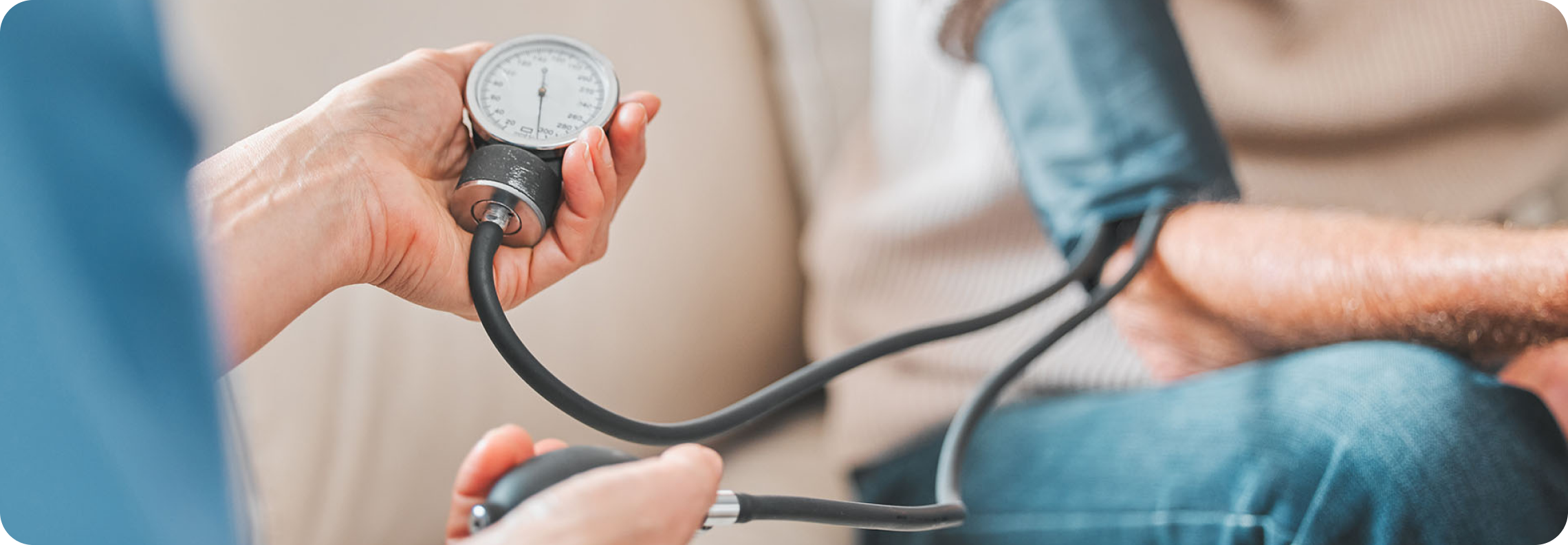
What Is the Connection Between Fatigue and High Blood Pressure?
Although there is no direct connection, several factors, including high blood pressure, can contribute to fatigue. You may be experiencing fatigue without realising it. To determine if your fatigue is related to high blood pressure, it's essential to understand what fatigue is.
What is fatigue?
Have you ever felt fully drained and exhausted? This feeling of tiredness that remains even after adequate sleep and interrupts your daily functions is known as fatigue.
What fatigue can feel like:
Confusion: Feeling confused or having difficulty focusing.
Sleepy: Feeling drowsy or sleepy even after having enough sleep.
Completely exhausted: Feeling mentally and physically exhausted, which interferes with your day-to-day tasks.
What is high blood pressure?
High blood pressure, or Hypertension, is a medical condition that affects the functioning of arteries. Think of your arteries as a pipe that handles the high pressure of blood exerted by the heart and pumps oxygen-rich blood to the entire body. This excess pressure on the arterial wall strains your blood vessels, leading to several health complications.
Taking care of your health is as important as getting insured.
Choose comprehensive coverage
Can High Blood Pressure Make You Feel Tired All the Time?
Fatigue stems from various health factors, and high blood pressure is one of the significant contributors. Although fatigue is not a typical symptom of high blood pressure, some individuals can experience it. Now, think of your body as a car engine that moves smoothly with minimal effort. With a faulty engine, it has to work harder to keep the car moving, wearing it down eventually. Similarly, if an organ is affected, your body will put extra effort into sustaining it, wearing it down gradually, leading to fatigue. Similarly, if an organ is affected, your body will put extra effort into sustaining it, wearing it down gradually, leading to fatigue. Controlling hypertension will help you reduce persistent fatigue.
Hypertension comes in many forms, but the ideal health coverage will Keep you protected.
Protect your health today
How to Tell If Fatigue Is a Sign of High Blood Pressure?
Fatigue is not a common symptom when it comes to high blood pressure. Poor sleep cycle, nutritional deficiencies, and certain medical conditions primarily influence it. Many individuals do not experience fatigue; however, it could be a subtle warning of high blood pressure. Determining it at the right time can help you manage the situation before it progresses.
What fatigue due to high blood pressure can feel like:
1
Brain fogBrain fog feels like confusion and happens due to several reasons, such as elevated blood pressure, dehydration, poor sleep, and hormonal imbalance.
2
DizzinessDizziness feels like your head is spinning, due to reduced blood flow and immediate blood pressure spikes.
3
Blurry visionBlurry vision is due to excessive pressure on the blood vessels near the retina, which could lead to vessel rupture.
4
Chest discomfortChest discomfort is due to excessive strain on the heart to pump blood, as it has to work twice as hard.
5
Shortness of breathShortness of breath is due to excessive strain on the heart to pump blood, as it has to work twice as hard.
6
Frequent headachesFrequent headaches are due to restricted blood flow to the brain.
Taking care of your health is as important as getting insured.
Find a plan that suits you
Do Blood Pressure Medications Cause Tiredness or Low Energy?
Medications play a crucial role in high blood pressure management. High BP changes the way your body operates by damaging the organs. Medications are essential to prevent further damage and improve the body's functioning. These medications merely lead to side effects. However, in some cases, fatigue is a common side effect of these medications. When you identify which medications contribute to fatigue, you can take proactive steps to get relief.
Here is a list of high blood pressure medications that can cause fatigue:
1
Diuretics (Water pills)They help remove excess water and salt present in the body. It decreases the amount of potassium, causing fatigue.
2
Angiotensin II Receptor BlockersThey help widen the narrowed blood vessels by protecting them from a hormone that shrinks them.
3
Calcium Channel BlockerThey help relax the blood vessels by restricting the movement of calcium to the heart and muscles.
4
Alpha BlockersThey help increase the blood flow by signalling to decrease the rapid nerve impulses sent to the blood vessels.
5
Alpha Beta BlockersThey help by signalling the body to reduce the nerve impulse and to slow the heart rate.
6
VasodilatorsThey help increase the blood flow by relaxing the blood vessels and widening their pathway.
You can manage hypertension with timely intervention and health insurance.
Choose the ideal coverage
What Are the Common Causes of Fatigue with High Blood Pressure?
A single condition rarely causes fatigue; instead, it occurs due to a combination of underlying causes. Managing fatigue becomes easy when you are well aware of its root cause. Knowing the underlying cause will help you make informed decisions and improve episodes of persistent fatigue.
Common causes of Fatigue with high blood pressure:
1
Damage to the kidneys
High blood pressure strains the blood vessels connected to the kidneys, impairing their functions. It leads to fatigue as:
The kidneys have to work hard to remove excess water from the body, causing fatigue.
If you are on medications, it will remove excess water and salt from your body, reducing your potassium levels and causing fatigue.
2
Cardiovascular conditions
High blood pressure restricts blood flow, increasing the heart's strain, as it has to work twice as hard to pump the blood. It leads to fatigue as:
The heart has to put extra effort into pumping the blood, so it consumes more energy and causes fatigue.
3
Stress
Stress hormones activate the adrenal glands, releasing cortisol and adrenaline. It leads to fatigue as:
Chronic stress results in elevated hormone levels, causing adrenal fatigue.
Stress can cause your blood pressure to rise temporarily, causing fatigue.
4
Muscle tension
High blood pressure reduces blood flow and exerts strain on the muscles. It leads to fatigue as:
Strain on the muscles leads to tense muscles, causing body aches or pain.
Partially contracted muscles make it difficult to perform any movements, and can lead to chronic muscle tension.
5
Poor sleep cycle
A poor sleep cycle causes fatigue, as your body fails to rejuvenate its cells and repair itself. It leads to fatigue as:
Your body's circadian rhythm becomes disturbed and cannot repair itself when needed, leading to fatigue.
Inadequate sleep weakens the immune system, causing fatigue.
6
Reduced immune function
High blood pressure impairs the body's basic functioning, causing fatigue. It leads to fatigue as:
High blood pressure worsens your immunity, especially if you have autoimmune conditions, causing fatigue.
It impairs the cell functioning of your body, causing fatigue.
Complications can be unpredictable - ensure you have the proper health support.
Get covered today
Can Controlling High Blood Pressure Reduce Tiredness?
Controlling high blood pressure can help you reduce persistent exhaustion. Your body gets exhausted as it has to put extra effort into managing the strain caused by high blood pressure, which causes fatigue. The good news is that proactive steps and medication can help you control blood pressure and reduce its recurring symptoms. Understanding the dynamics of blood pressure and fatigue will help you make empowered decisions for your overall well-being.
Controlling blood pressure can help you with:
Adequate sleep
High energy levels
Improved blood flow
Stronger immune system
Improved cardiovascular health
Hypertension risks are real, but so is the power of prevention
Secure your health
What Lifestyle Changes Help with Fatigue Caused by High BP?
A healthy lifestyle is the cornerstone of managing fatigue and high blood pressure. If you are experiencing persistent fatigue, controlling blood pressure through a healthy lifestyle can reduce it. Lifestyle changes include healthy dietary choices, regular exercise, quality sleep, and weight management. Think of your body as a plant that needs sunlight, water and other nutrients to thrive. Similarly, your body needs proper nutrition, movement, and sleep to function smoothly. It is a continuous loop: what you eat impacts your mental and physical well-being, and overall well-being determines your sleep cycle. In turn, your sleep cycle impacts overall well-being. The proper steps in the right direction will help you regulate your blood pressure and fatigue and take care of your overall well-being.
Lifestyle changes that can help with fatigue:
1
Healthy diet
A proper diet can help you lower high blood pressure and manage fatigue. If you are finding effective ways to lower your blood pressure, start by meal planning. It will help you design a meal based on your physiological needs, ensuring optimum macro and micronutrient intake.
It is advised to follow a low-salt DASH diet (Dietary Approaches to Stop Hypertension) packed with nutrients. Lowered pressure levels will help with your fatigue.
Avoid foods high in salt, unhealthy fats and sugar, as they can lead to a sudden spike.
2
Regular exercising
Regular exercise will help you improve your fatigue, improve blood circulation and relax muscle tension. Regular exercise will help you with:
It will boost your stamina and make you feel less tired.
It will relax your muscles, increasing their endurance.
It will keep your blood pressure within a healthy range.
It will boost your mood and avoid mental confusion.
3
Maintaining a healthy weight
Maintaining a healthy weight can lower your blood pressure if you persistently fatigue. Maintaining a healthy weight will help you with:
It will improve your metabolism.
It will enhance your physical performance.
4
Adequate sleep
Adequate sleep is essential for your body to function correctly, so you need 7-8 hours of quality sleep. Having sufficient sleep will help you with:
It will boost your immune system, increasing your stamina.
It will help you manage stress.
It will help you regulate hormones.
5
Managing metabolic conditions
Metabolic conditions mean having three or more underlying conditions, such as Diabetes, cholesterol, and thyroid. Managing metabolic conditions will help you with:
It will help in improving your body's performance.
Conditions like thyroid cause persistent tiredness, and it needs to be reduced.
Managing high blood pressure should not take a toll on your finances.
Get insured now
What Are the Natural Remedies To Control Your Fatigue?
You are not alone if you are looking for natural home remedies to manage high blood pressure at home. Natural home remedies will boost the efficiency of your medications. However, knowing that natural remedies should not substitute for your medicines is crucial.
Here is a list of natural remedies:
1
Sour cherriesDrink sour cherry juice, as it has a water-soluble element known as anthocyanins, which have anti-inflammatory properties. It will help in reducing inflammation due to high blood pressure.
2
CoffeeCoffee has caffeine, which supports heart health and can help lower fatigue levels temporarily.
3
EggsEggs are an excellent source of protein and good fats. They help reduce fatigue by having an amino acid called leucine, which promotes muscle recovery.
4
WaterWater is crucial for maintaining electrolyte levels in the body and helps in muscle recovery.
5
BananaBananas are rich in potassium, which helps in muscle recovery and gives relief from muscle cramps.
Stay on top of your health needs.
Safeguard your health today

FAQs

  • Q1. What does dizziness due to high blood pressure feel like?

    Ans: Dizziness accompanied by physical imbalance could be the early symptoms of high blood pressure. It is due to pressure on the heart to pump more blood and reduced oxygen supply to the brain.
  • Q2. What should I do if my blood pressure is high and I feel dizzy?

    Ans: If you are experiencing dizziness, immediately sit or lie down; it will help your blood pressure levels return to normal. Also, after the episode, get medical advice immediately.
  • Q3. Can high blood pressure lead to nausea and vomiting?

    Ans: Yes, high blood pressure can lead to nausea and vomiting in case of hypertensive crisis, where the reading is 180/120 mm Hg, and one should seek immediate medical attention.
  • Q4. Can stress lead to fatigue?

    Ans: Yes, stress can lead to both fatigue and high blood pressure. However, stress raises blood pressure levels temporarily. Being under stress, if you have high blood pressure, can cause fatigue.
  • Q5. How can I immediately bring down my blood pressure levels?

    Ans: If you are experiencing high blood pressure levels, try to sit or lie down, take deep breaths, and stay hydrated to bring your levels down to normal.
  • Q6. What are the causes of high blood pressure and fatigue in older adults?

    Ans: As you age, your blood pressure may increase due to several factors, primarily due to damage to the blood vessels. Damage to the blood vessels of the ears impairs the ability to maintain balance, causing dizziness and unsteadiness.
  • Q7. What underlying factors can contribute to fatigue?

    Ans: Besides high blood pressure, your fatigue could be due to poor sleep quality, nutritional deficiencies, dehydration, and other medical conditions.
  • Q8. Does hydration help in improving fatigue?

    Ans: Being well hydrated can improve your fatigue, as it plays a crucial role in determining your blood pressure levels.
  • Q9. Which foods are best for dizziness?

    Ans: To improve your dizziness, consider consuming foods rich in potassium, such as bananas, vitamin B6, found in poultry items, and omega-3 fatty acids, like flaxseeds.
  • Q10. Can I eat bananas to lower my high blood pressure?

    Ans: Yes, you may eat bananas to lower your high blood pressure. They are rich in potassium, which will help manage your body's sodium levels.