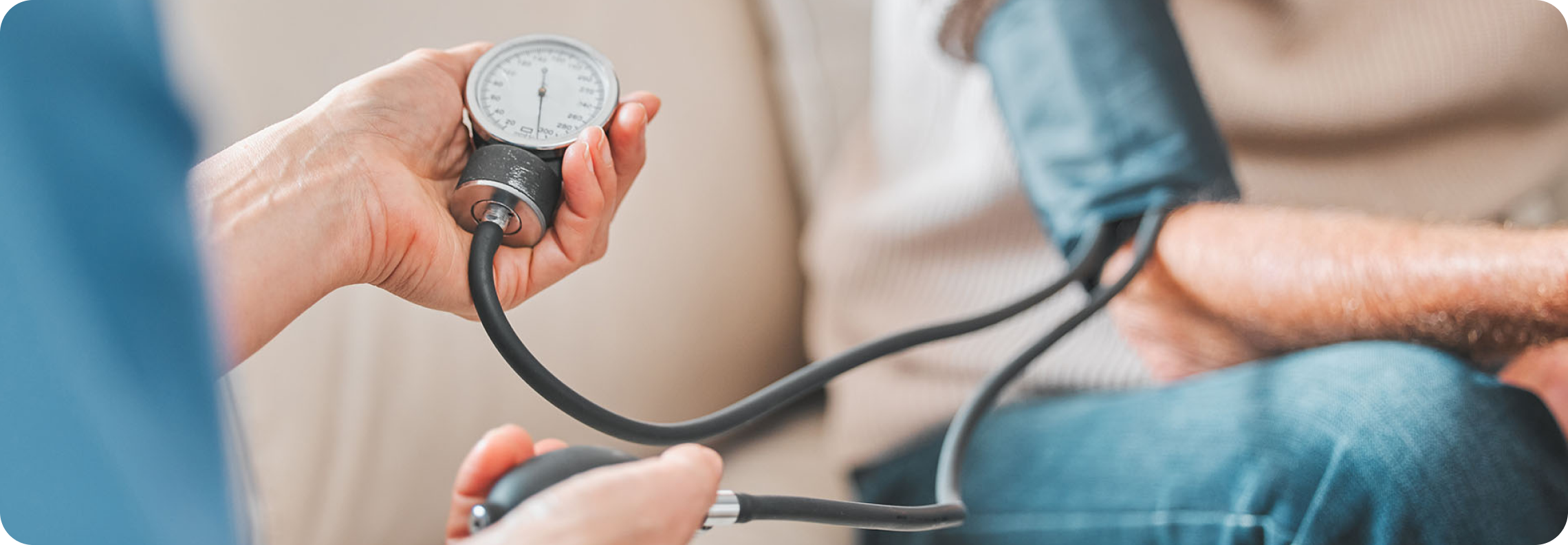
How To Plan Your Diet For High Blood Pressure?
Eating smart is one of the easiest ways to take control of your blood pressure. The right meal plan can make a big difference. Focus on foods low in sodium and rich in nutrients that keep your heart and blood vessels healthy. For many people with mild to moderate hypertension, doctors suggest starting with lifestyle changes, especially diet. One proven method is the DASH diet (Dietary Approaches to Stop Hypertension), which includes plenty of wholesome, natural foods. Here are some key nutrients to look out for:
1
MagnesiumMagnesium helps in relaxing the blood vessels, putting less strain on the circulatory system.
2
CalciumCalcium helps in improving the functioning of blood vessels by tightening and relaxing them based on on the requirement.
3
NitratesNitrates convert to nitric oxide inside the body. This nitric oxide helps in the relaxation of the blood vessels.
4
PotassiumPotassium helps in relaxing the blood vessels and removing extra sodium from the body, managing The sodium levels in the body.
5
Omega-3 fatty acidsOmega-3 fatty acids are a healthy source of fats. They can help decrease the rate of plaque buildup in the blood vessels.
Understand how your diet choices affect your long-term health.
Explore personalised coverage options ›
What is the DASH Diet?
The DASH diet, short for Dietary Approaches to Stop Hypertension, is a simple and effective eating plan to help manage high blood pressure. It encourages you to eat more fruits, vegetables, whole grains, and lean proteins while reducing salt, added sugars, and unhealthy fats. Backed by doctors, the DASH diet supports healthy blood pressure and promotes better overall heart health.
Here are the primary contents of the DASH diet that can help you manage your high blood pressure:
1
Low sodiumSodium retains excess water in the body, increasing the blood volume and putting strain on the walls of the arteries. A low-sodium diet helps by not retaining water in the body.
2
Fibrous FoodFibre-rich foods can help you feel full for a longer period. It helps in improving cardiovascular health, minimising the risks of developing heart diseases.
3
Healthy FatsIncluding healthy fats can help improve the blood lipid profile and the functioning of the blood vessels. It can also help with inflammation.
Combine healthy eating habits with health security.
Get the ideal coverage ›
Why Does the DASH Diet Play an Important Role in Managing High Blood Pressure?
What you eat directly affects your blood pressure, and that's where the DASH diet makes a big difference. By focusing on heart-healthy foods and reducing salt and unhealthy fats, the DASH diet helps maintain your blood pressure, supports weight loss, and lowers the risk of serious health issues. The DASH diet can help you with:
1
HypertensionThe Dash diet helps lower blood pressure as low sodium and fat intake puts less strain on the heart. The circulatory system.
2
Weight lossThe DASH diet limits sodium and fat intake, prioritising Fibre-rich and healthy fats. It can help in keeping You feel full, reduce calorie consumption, and promote weight loss.
3
Metabolic SyndromeThe DASH diet can help you improve your blood sugar, cholesterol, and triglyceride levels, thus Contributing to a better management of metabolic syndrome.
4
Heart DiseasesThe Dash diet can help you maintain your cardiovascular health. It also helps in improving your overall health.
A heart-healthy life starts with wise choices.
Protect your health now ›
What foods should you eat for hypertension?
Eating the right foods can go a long way in helping you manage high blood pressure. A balanced, heart-healthy diet packed with nutrients like potassium, magnesium, and fibre can help lower your BP and boost your overall well-being. By focusing on fresh, low-sodium options, especially those recommended in the DASH diet, you can take a big step toward better heart health. Here is a list of foods to include in your daily diet to manage hypertension:
1
VegetablesInclude broccoli, carrots, and spinach, as they are full of potassium and nitrate, which help in removing excess salt and relaxing the blood vessels.
2
FruitsInclude bananas, berries, and citrus fruits as they are packed with antioxidants and potassium. They help in improving the functioning of the blood vessels.
3
Low-fat dairyInclude nonsweetened curd, milk, and ghee to regulate insulin sensitivity and cholesterol. It helps in lowering the systolic blood pressure.
4
Whole GrainsAdd oatmeal, whole-grain bread, quinoa, and millets to your diet as they are rich in magnesium and fibre. It helps in lowering both systolic and diastolic blood pressure.
5
Nuts & SeedsInclude flaxseeds, cashews, and almonds as they are highly nutritious with healthy amino acids. Which can help reduce inflammation and lower blood pressure.
6
Lean ProteinLean protein, like eggs, salmon, and tofu, can help you lower your blood pressure as they Support improved functioning of the blood vessels.
Healthy food habits work best with the proper coverage.
Safeguard your health ›
What foods should you avoid for hypertension?
Managing high blood pressure means being mindful of what you eat; some foods can raise your BP more than you realise. Avoiding items that cause blood pressure spikes is key to keeping your heart healthy and lowering your risk of complications. Here are some common foods you should limit to protect your health.
1
Salty foodsAvoid salty foods as they can lead to a blood pressure spike and damage to the blood vessels. Excessive salt increases the fluid in the body, exerting enormous strain on the artery walls.
2
SugarTry to avoid sugary items as they lead to excess salt absorption in the body and disturb insulin secretion resulting in high blood pressure.
3
Red MeatRed meat should be avoided if you have high blood pressure. During the process of digesting red meat leads to the secretion of certain compounds that elevate blood pressure.
4
Alcohol & Caffeinated DrinksCaffeinated drinks are often high in sugar, and alcohol has empty calories, leading to weight gain. They elevate blood pressure.
5
Saturated FatsConsumption of saturated fats could increase the viscosity of your blood, making it hard to flow. It also increases inflammation in the body.
Smart nutrition starts with thoughtful planning.
Get covered the smart way ›
What are the symptoms of hypertension?
High blood pressure is often called the "silent killer" because many people don't notice any symptoms. However, when blood pressure gets very high, you might experience signs like headaches, dizziness, or blurred vision. Recognising these symptoms early can help you take action to protect your health.
1
Frequent headachesFrequent headaches are a common symptom of hypertension. When blood pressure rises, It puts strain on the brain's vessels, leading to headaches.
2
Dizziness or lightheadednessSudden changes in blood pressure levels often lead to dizziness and confusion.
3
Blurred visionHigh blood pressure can cause vision loss or blurred vision by damaging the tiny blood vessels In the retina.
4
Chest pain or tightnessHigh blood pressure can put extra strain on the cardiovascular system, reducing the flow of blood to the heart, causing chest pain.
5
Shortness of breathShortness of breath occurs because when the blood pressure is high, it becomes difficult for the heart to pump blood effectively.
6
NosebleedsHigh blood pressure damages the blood vessels, making them vulnerable. High BP can damage blood vessels in the nose leading to nosebleeds.
Smart nutrition starts with thoughtful planning.
Get covered the smart way ›
Tips to Make the Most of Your DASH Diet
Maintaining a healthy diet can be a game-changer for managing your blood pressure. Setting clear health goals and planning meals can help you stay on track. Along with regular exercise, focusing on what you eat will make a big difference in controlling your hypertension. Keep these tips in mind to get the best results from the DASH diet:
1
Limit sodium intakeLimit your sodium intake, keep it low by keeping it less than 2300 mg; ideally, 1500mg is enough.
2
Maintain a healthy weightMaintaining a healthy weight is crucial as it will help you keep your blood pressure steady. Try to Exercise at least 150 minutes a week to achieve and maintain an ideal body weight.
3
Alcohol & SmokingAlcohol is associated with increasing blood pressure, so try to limit your alcohol intake. Smoking Leads to damaged blood vessels, try to quit smoking.
4
Stress ManagementStress plays a crucial role in affecting blood pressure. Try to manage your stress by practising yoga, meditation and other relaxing exercises.
5
Frequent Check-UpsIt is essential to have frequent follow-ups for blood pressure, as it comes with no symptoms, especially If you have a family history of high blood pressure.
A healthy lifestyle is your best investment.
Ensure your well-being today ›

FAQs

  • Q1. How can I manage my blood pressure naturally?

    Ans: To manage your blood pressure naturally, it is essential to follow a low-sodium DASH diet, exercise 5 times a week, and manage your stress effectively.
  • Q2. What is stage 1 of hypertension?

    Ans: Stage 1 of hypertension is when the blood pressure is above the normal range, but not enough to be to be high enough. The Systolic reading is from 130 to 139 mmHg, whereas the diastolic reading is from 80 to 89 mmHg.
  • Q3. Why does my blood pressure increase after walking?

    Ans: Your blood pressure may increase while you are walking or working out. It increases the ability to manage the Increased blood flow is required while exercising.
  • Q4. Can I drink lots of water to lower my blood pressure levels?

    Ans: Drinking water and keeping yourself hydrated may help you lower your blood pressure.
  • Q5. Can I eat bananas if I have high blood pressure?

    Ans: Yes, you may eat bananas if you have high blood pressure. They are rich in potassium, which will help. In managing the sodium levels in your body.
  • Q6. Can I eat rice if I have high blood pressure?

    Ans: You may eat rice in moderation if you have high blood pressure. Brown rice is a better alternative as They do not spike your blood sugar and improve heart health.
  • Q7. Can I include juices in my diet to reduce my high blood pressure?

    Ans: You may include juices such as beetroot, tomato, and pomegranate juice in your diet. They help In managing high blood pressure, relaxing the blood vessels is key.
  • Q8. Does acidity contribute to high blood pressure?

    Ans: Yes, acidity or gastrointestinal reflux may contribute to increased blood pressure. They do not directly impact blood pressure.
  • Q9. Is it advised to fast if I have high blood pressure?

    Ans: If you have high blood pressure, fasting may positively and negatively impact your health. Fasting may help some individuals, but in the long run, it may cause dehydration.
  • Q10. When should I check my blood pressure for accurate results?

    Ans: It is advised to check blood pressure in the morning and evening, as it may help you know accurate pattern without any hindrance.