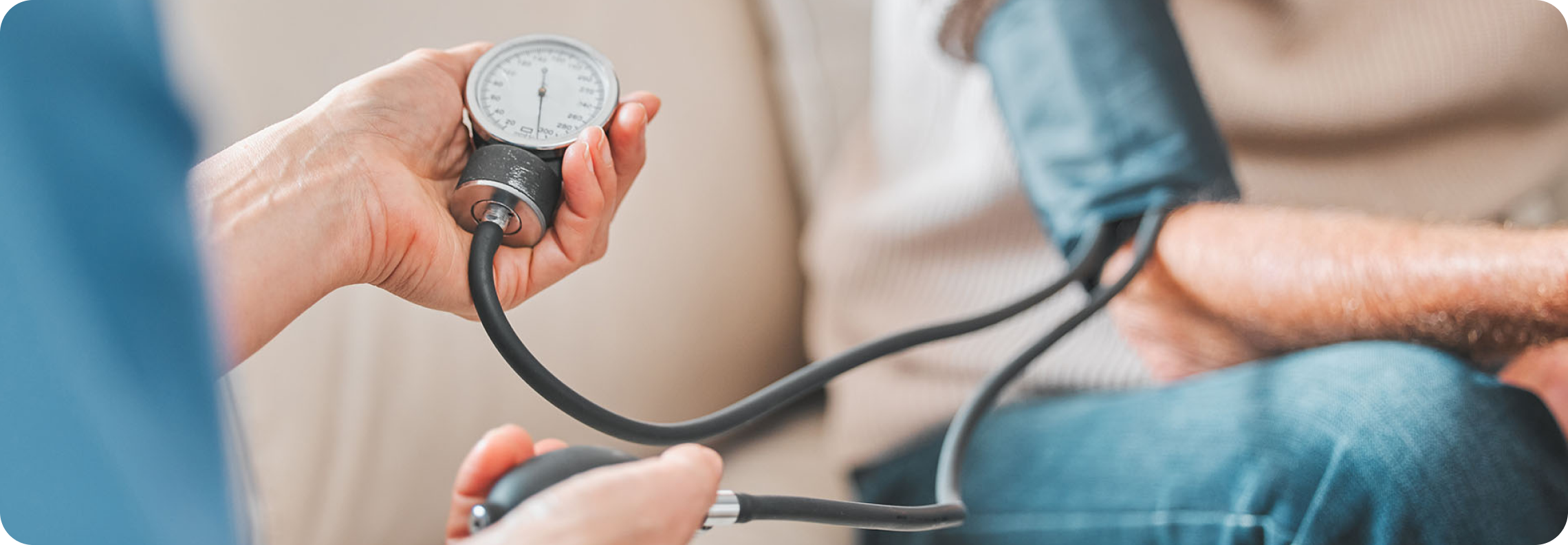
What Causes High Blood Pressure During Pregnancy?
High blood pressure in pregnancy doesn't have just one cause. It usually results from natural body changes, health conditions, and lifestyle factors. Some of the most common contributors include:
1
First-time pregnanciesYour body is adjusting to pregnancy for the first time, which can make blood pressure more likely to rise.
2
Carrying multiples (twins or more)Extra babies mean more demand on your heart and blood vessels, which can increase pressure.
3
Obesity or lack of physical activityBeing overweight or inactive can put more strain on your circulatory system.
4
Family history of high blood pressureIf your mother or sister had pregnancy-related hypertension, you may be more likely to experience it too.
5
Chronic conditions like kidney disease or autoimmune disorders (e.g., lupus)These can affect how your body handles fluid and blood flow, raising blood pressure.
6
Poor diet or too much saltEating too much sodium or too little nutritious food can shift fluid balance and cause pressure to rise.
Beyond these, your body naturally goes through significant changes in pregnancy. Hormonal shifts increase blood volume, and your heart works harder to pump blood to your growing baby. Sometimes, your blood vessels don't relax as they should, which adds resistance and leads to high pressure. These changes often start in early pregnancy but tend to become more noticeable in the second or third trimester.
Staying active, eating balanced meals, and attending all prenatal visits can help catch blood pressure changes early and lower your risk of complications.
Understanding the root causes helps prevent complications early.
Protect your growing family now ›
What Are the Different Types of High Blood Pressure in Pregnancy?
High blood pressure during pregnancy is not a one-size-fits-all condition. Doctors recognise several types based on when the condition starts, how long it lasts, and whether it affects other organs. Understanding the differences is important because each type comes with its level of risk, care approach, and possible complications. With the proper monitoring and support, most women with pregnancy-related hypertension can still have healthy pregnancies and safe deliveries. Let's look at the main categories:
1
Chronic HypertensionThis occurs before pregnancy or is diagnosed before 20 weeks. It may or may not persist after delivery and often requires close monitoring and medication.
2
Gestational HypertensionThis begins after 20 weeks of pregnancy and typically resolves after childbirth. It can sometimes develop into more serious conditions like preeclampsia.
3
PreeclampsiaA dangerous condition marked by high blood pressure and signs of organ damage, most often the liver and kidneys. It may also cause swelling, protein in urine, or sudden weight gain.
4
EclampsiaThis is a severe progression of preeclampsia, where seizures occur. It's a medical emergency needing immediate care.
5
Chronic Hypertension with Superimposed PreeclampsiaWomen who already have high blood pressure may develop preeclampsia as pregnancy progresses, increasing the risk of complications.
Knowing the type of hypertension helps shape the safest treatment approach.
Plan your maternal health strategy ›
How Does High Blood Pressure Affect the Baby?
High blood pressure in pregnancy can impact the baby's health by affecting how much oxygen and nutrition they receive. When blood flow to the placenta is reduced, the baby may not grow or develop properly. Here's how it can affect your little one:
1
Poor fetal growth (Intrauterine Growth Restriction - IUGR)The baby may grow more slowly than expected due to limited nutrients and oxygen.
2
Low birth weightBabies born underweight may have trouble maintaining body temperature and feeding properly.
3
Preterm deliveryIn some cases, early delivery becomes necessary if high blood pressure poses a risk to the mother or baby.
4
Placental abruptionThe placenta may detach from the uterus too early, a serious condition that requires emergency care.
5
Stillbirth (in rare cases)Very high, uncontrolled blood pressure can lead to loss of the baby, especially if left untreated.
6
NICU care after birthBabies affected by growth restriction or early birth may need exceptional support in a neonatal intensive care unit.
7
Increased medical monitoringDoctors may recommend extra ultrasounds to check the baby's growth, blood flow, and fluid levels to guide delivery decisions.
Many of these risks can be managed or prevented with proper prenatal care. Frequent checkups, blood pressure monitoring, and early treatment make a big difference in keeping both mom and baby healthy.
Uncontrolled pressure can reduce your baby's access to vital nutrients.
Ensure a safer delivery today ›
What Are the Risks to the Mother?
High blood pressure during pregnancy doesn't just affect the baby — it can also pose serious health risks for the mother. These complications can occur during pregnancy, labour, or even after childbirth. With close monitoring and timely care, many of these risks can be reduced.
1
Stroke or heart failureExtremely high blood pressure can cause blood vessels to burst or the heart to overwork, leading to serious emergencies.
2
Organ damageThe liver and kidneys are especially vulnerable. High pressure can reduce blood flow, leading to injury or poor function.
3
Increased chance of C-sectionWhen blood pressure rises suddenly or if the baby is in distress, doctors may recommend a cesarean for safety.
4
Postpartum high blood pressureSome women continue to experience high readings after delivery, which requires monitoring and sometimes medication.
5
Future heart disease riskWomen with pregnancy-related hypertension are more likely to develop heart conditions or high blood pressure later in life.
6
Preeclampsia and HELLP syndromePreeclampsia can progress into HELLP, a dangerous condition that causes liver problems, low platelets, and severe complications if untreated.
Even though these risks sound scary, early diagnosis and routine prenatal care can prevent most complications. Staying informed and attending all appointments greatly improves outcomes.
Your heart health in pregnancy affects your lifelong wellness.
Safeguard your future health today ›
What Symptoms Should You Watch For?
High blood pressure in pregnancy can sometimes develop quietly, without apparent symptoms. That's why regular prenatal visits and blood pressure checks are so important. Still, some warning signs should never be ignored.
1
Severe headachesPersistent or pounding headaches that don't go away with rest could signal elevated pressure.
2
Blurred vision or sensitivity to lightVision changes, flashing lights, or seeing spots might mean high blood pressure affects your eyes or brain.
3
Swelling in hands, face, or eyesSudden or extreme swelling may be a red flag, especially when paired with other symptoms.
4
Sudden weight gainA sharp increase in weight (especially over a few days) can be due to fluid retention, a sign of preeclampsia.
5
Upper right abdominal painThis pain near the liver may suggest organ stress or damage from rising pressure.
6
Shortness of breath or nauseaThese could indicate lung fluid or other complications tied to blood pressure changes.
Note: If you notice any of these symptoms, don't wait, contact your doctor immediately. Acting fast can protect both you and your baby from serious harm.
Recognising the signs early can prevent life-threatening emergencies.
Stay alert and stay insured ›
How to Diagnose Hypertension During Pregnancy?
Diagnosing high blood pressure during pregnancy involves more than just a quick check with a cuff. Since your body goes through significant changes while pregnant, doctors look at several signs to confirm whether hypertension is a concern.
Here's how it's usually diagnosed:
1
Regular blood pressure checks (especially after 20 weeks)Blood pressure over 140/90 mmHg on two separate readings, at least 4 hours apart, raises concern.
2
Urine tests for proteinProtein in the urine can indicate preeclampsia, especially if paired with high blood pressure.
3
Blood tests to check kidney and liver functionThese help detect early signs of organ stress or damage due to rising pressure.
4
Fetal ultrasounds to monitor the baby's growthPoor growth may mean high blood pressure affects the placenta and the baby's nutrition.
5
Doppler scans to check placental blood flowThese tests help assess if enough blood and oxygen are reaching the baby.
Note: If your blood pressure readings stay high, your doctor may order these tests more often to ensure you and your baby stay safe.
Accurate diagnosis ensures timely treatment and better outcomes.
Get insured today ›
What Are the Treatment Options?
Treating high blood pressure during pregnancy depends on how severe it is and what type you have. The goal is to keep you and your baby safe while preventing complications.
Here are the primary treatment approaches:
1
Lifestyle changesEating less salt, staying hydrated, getting light exercise (like walking), and finding ways to manage stress can help safely lower mild blood pressure levels.
2
Safe medicationsDoctors may prescribe blood pressure medications like labetalol, nifedipine, or methyldopa, which are generally safe during pregnancy. These help lower your pressure without harming your baby.
3
Regular check-upsYou'll likely need more frequent prenatal visits to monitor your blood pressure and your baby's development. Your doctor may also recommend home monitoring.
4
Hospital care in severe casesIf your condition worsens or if you develop preeclampsia or eclampsia, you may need to be admitted for closer monitoring. Sometimes, early delivery is the safest option for both mom and baby.
Timely treatment can make all the difference in maternal and fetal safety.
Choose proactive coverage today ›
How Can You Manage High Blood Pressure Naturally?
Natural methods can help keep your blood pressure steady during pregnancy, along with medication when needed. These simple lifestyle changes support your heart health and your baby's development.
Here are helpful natural strategies:
1
Eat a balanced, low-sodium dietChoose fresh fruits, vegetables, whole grains, and lean proteins. Cut back on processed foods and salty snacks. (Explore more in our High Blood Pressure Diet guide.)
2
Manage stressTry yoga, deep breathing, journaling, or speaking with a counsellor. Even a few minutes of calm can help lower pressure.
3
Get gentle exerciseWalking, stretching, or prenatal movement routines help improve blood circulation without strain. Always follow your doctor's recommendations.
4
Watch weight gainGaining too much or too little weight during pregnancy can affect your blood pressure. Your doctor can help you track a healthy range.
5
Stay hydrated and rest wellDrinking enough water and getting restful sleep help reduce pressure on your heart and kidneys.
These steps are constructive if you're also managing gestational diabetes. See our guide on Meal Planning to balance both conditions safely.
Gentle lifestyle habits can support medical care safely.
Back your choices with coverage ›
When Is Delivery Recommended?
The right time to deliver depends on how well your blood pressure is managed and how your baby is developing. Your doctor will monitor both closely and make decisions to protect your health of you and your baby.
Here's what to expect based on your condition:
1
Gestational hypertensionIf your blood pressure stays controlled and there are no complications, your doctor may aim for a full-term delivery (around 39–40 weeks).
2
PreeclampsiaDelivery is often recommended after 37 weeks. Early induction may be needed if symptoms are severe or worsen before then.
3
Eclampsia or HELLP syndromeThese severe conditions usually require immediate delivery to protect both mother and baby, no matter the gestational age.
4
Fetal growth concernsIf the baby isn't growing well due to poor blood flow, early delivery may be safer than continuing the pregnancy.
Delivery timing is a key decision for a healthy outcome.
Ensure guided care at every stage ›
What Should You Expect Postpartum?
High blood pressure often improves after childbirth, but it doesn't always go away immediately. Some women continue to have elevated readings in the days, weeks, or even months after delivery. This stage is just as crucial for monitoring your health.
Postpartum risks to be aware of include:
1
Postpartum preeclampsiaSome women develop preeclampsia after giving birth, even if they didn't have it during pregnancy. It requires urgent medical attention.
2
Stroke or seizuresIf blood pressure remains high and uncontrolled, there's a risk of serious complications like stroke.
3
Ongoing treatmentYou may need to stay on blood pressure medication temporarily or long-term. Your doctor will guide you based on your recovery.
4
Follow-up careRegular checkups in the first six weeks postpartum are key to spotting issues early and adjusting treatment.
5
Long-term heart healthHaving high blood pressure during pregnancy increases your risk of heart problems later in life, so regular monitoring is a must.
Managing your blood pressure after birth helps ensure a healthy recovery and protects your future well-being.
Post-birth blood pressure care is just as critical.
Cover your recovery with care ›
Does Pregnancy Hypertension Increase Future Risk?
Yes. High blood pressure during pregnancy isn't always just a temporary issue. It can warn of future health problems, even years after delivery. That's why staying proactive after childbirth is so essential.
Long-term health risks include:
1
Chronic hypertensionYou're more likely to develop permanent high blood pressure later in life.
2
Heart disease and strokePregnancy-related hypertension increases your risk for cardiovascular issues, including heart attack and stroke.
3
Kidney diseaseOngoing pressure on the kidneys can lead to lasting damage, especially if not monitored closely.
4
Type 2 diabetesThere's a strong link between gestational hypertension and a higher chance of developing diabetes in the future.
Even if your blood pressure returns to normal after birth, your body still benefits from regular checkups, healthy eating, and stress management. Simple changes now can go a long way in preventing chronic illness later.
Pregnancy hypertension may echo into future health.
Invest in lifelong protection ›

FAQs

  • Q1. What is high blood pressure during pregnancy?

    Ans: High blood pressure during pregnancy is when a woman's blood pressure rises above normal levels while pregnant. It can happen before, during, or after pregnancy and may cause problems for both the mother and the baby.
  • Q2. Is high blood pressure dangerous for the baby?

    Ans: Yes, high blood pressure can be dangerous for the baby. It may reduce the flow of blood to the baby, which can cause slow growth, early birth, or low birth weight.
  • Q3. Can high blood pressure go away after pregnancy?

    Ans: Yes, high blood pressure can go away after pregnancy. However, some women continue to have high blood pressure even after the baby is born, so regular checkups are essential.
  • Q4. What causes high blood pressure in pregnancy?

    Ans: High blood pressure in pregnancy can be caused by many things, such as first-time pregnancy, carrying twins, being overweight, family history, or eating too much salt.
  • Q5. How will I know if I have high blood pressure while pregnant?

    Ans: You may not feel anything, but doctors check your blood pressure during each visit. Tell your doctor immediately if you have signs like headaches, swelling, or blurry vision.
  • Q6. What are the types of high blood pressure during pregnancy?

    Ans: The main types are chronic hypertension (before 20 weeks), gestational hypertension (after 20 weeks), preeclampsia (with organ damage), and eclampsia (with seizures).
  • Q7. Can high blood pressure affect me after delivery?

    Ans: Yes, high blood pressure can affect you after delivery. Some women get high blood pressure for the first time after giving birth. It can also increase the risk of heart problems later in life.
  • Q8. How is high blood pressure treated during pregnancy?

    Ans: High blood pressure during pregnancy is treated with healthy habits, safe medications, and regular doctor visits. In severe cases, hospital care or early delivery may be needed.
  • Q9. What foods should I avoid if I have high blood pressure in pregnancy?

    Ans: You should avoid salty foods, junk food, and processed items. Instead, eat less sodium, fruits, vegetables, and foods that help manage your pressure.
  • Q10. Can I prevent high blood pressure during pregnancy?

    Ans: You may not always be able to prevent it, but staying active, eating healthy, and attending checkups can lower your risk and keep you and your baby safe.