High blood pressure, or hypertension, can sneak up silently, but it doesn't have to control your life. While medications are often necessary, natural remedies at home can play an influential supporting role. Through small yet consistent lifestyle and diet changes, you can protect your heart, reduce stress, and improve your quality of life right from home.
Can Daily Exercise at Home Lower Blood Pressure?
Regular exercise at home can make a big difference in managing high blood pressure. When you move your body, your heart becomes stronger. A stronger heart can pump blood more efficiently, which helps reduce the pressure on your arteries.
The best part is that you do not need a gym membership or special equipment. Simple activities such as brisk walking inside your house or on your terrace, climbing stairs, dancing, skipping rope, or following a beginner-friendly workout video can be very effective. Yoga, stretching, and tai chi are also great options. These exercises help you stay active while also reducing stress, which is another factor that can raise your blood pressure.
Even doing just 30 minutes of activity daily, five days a week, can bring long-term improvements in your blood pressure. If you find it hard to do all at once, break it into three short sessions of 10 minutes each. The key is to stay consistent and enjoy what you are doing.
If you are new to exercise, slowly increase your activity level over time. You will begin to feel more energetic, sleep better, and improve your mood and blood pressure levels by staying active at home.
Moving a daily part of your routine is one of the simplest and most effective ways to care for your heart at home, ensuring long-term control over your pressure levels.
Support heart health, stay covered ›
How Can Dietary Changes at Home Help?
Making small changes to your meals at home can greatly impact your blood pressure. What you eat significantly affects how your heart functions and how much pressure your blood puts on your arteries.
One of the most effective eating plans for high blood pressure is the DASH diet, which stands for Dietary Approaches to Stop Hypertension. This heart-friendly diet encourages you to fill your plate with fresh fruits, colourful vegetables, whole grains like brown rice or oats, lean proteins such as chicken or lentils, low-fat dairy, and foods rich in potassium, magnesium, and fibre. These nutrients help your blood vessels relax, reduce fluid retention, and support overall heart health.
At the same time, limiting your intake of salt, saturated fats, processed foods, and added sugars is essential. These ingredients can raise your blood pressure and increase your risk of heart disease. When you cook at home, you have complete control over what goes into your meals. You can use less salt, skip unhealthy oils, and add flavorful herbs and spices.
Simple swaps, like choosing fresh fruit over packaged desserts or using olive oil instead of butter, can make a real difference. Over time, these healthy habits support better blood flow, more energy, and a healthier heart, starting in your kitchen.
A nourishing diet lowers blood pressure and boosts your overall energy and immunity, making each meal a step toward long-term heart health.
Secure your health ›
Can Deep Breathing and Meditation Reduce Blood Pressure?
Yes, deep breathing and meditation can play a decisive role in naturally lowering blood pressure. When you're stressed, your body releases hormones that tighten your blood vessels and make your heart beat faster, which raises your blood pressure. Relaxation techniques help reverse this effect by calming your nervous system.
Deep breathing slows your heart rate, improves oxygen flow, and helps your body relax. Even a few minutes of belly breathing or box breathing each day—inhaling for four counts, holding for four, exhaling for four, and holding again for four—can make a noticeable difference.
Meditation, especially mindfulness or guided meditation, teaches you to be present and reduce mental clutter. It helps reduce cortisol, the stress hormone, and improves overall emotional well-being, which contributes to better blood pressure control over time.
You do not need special equipment or a long session. Find a quiet spot at home, sit or lie comfortably, and focus on your breath or a calming sound. You can use free apps or online videos to guide you through simple practices that take only 5 to 10 minutes daily.
Practising daily helps you feel calmer, sleep better, and improve both mental and physical health, all while supporting a healthier heart.
Giving your mind a moment to rest each day can create lasting peace within your body, improving not just your pressure, but your overall emotional well-being.
Secure your coverage ›
Are Herbal Remedies Effective for High Blood Pressure?
Several herbal remedies can gently support your blood pressure management when used correctly. Nature offers many plants that have positively affected heart health and circulation. These herbs may not replace medication, but can be a helpful part of your overall plan when combined with healthy habits and professional guidance.
Garlic is one of the most studied herbs for blood pressure. It contains a compound called allicin, which helps relax and widen blood vessels, making blood flow easier. Raw garlic or supplements may help lower systolic and diastolic pressure over time.
Hibiscus tea is another popular remedy. Its bright red petals are rich in antioxidants and natural compounds that support healthy blood vessel function. Several studies have linked drinking a cup or two of hibiscus tea daily to mild reductions in blood pressure.
Other helpful herbs include:
Cinnamon, which can improve blood vessel flexibility
Basil, known for its calming and anti-inflammatory effects
Ginger, which supports circulation and helps regulate blood sugar
While these remedies are promising, it's important to remember that herbs can interact with medications or affect your health unexpectedly. Always talk to your doctor before adding herbal supplements to your routine, especially if you're already taking prescription treatments.
Herbal remedies work best as part of a larger lifestyle plan that includes a balanced diet, exercise, and stress management. They can be a comforting, natural way to support your heart when used safely.
Harnessing the healing power of nature through herbs can enhance your blood pressure management routine in safe, gentle ways when done responsibly.
Get the coverage today ›
How Does Limiting Salt at Home Help?
Reducing salt at home is one of the easiest and most effective ways to manage high blood pressure. Sodium, the main ingredient in salt, causes your body to hold on to water. This extra fluid increases the pressure in your blood vessels, making your heart work harder and raising your blood pressure.
Many people think cutting back on salt means just avoiding the salt shaker. But most of the sodium we eat hides in everyday packaged and processed foods—like canned soups, frozen meals, instant noodles, chips, sauces, and even bread.
At home, you have complete control. You can read nutrition labels to choose low-sodium products, rinse canned beans or veggies before using them, and prepare fresh meals using wholesome ingredients.
Flavour doesn't have to suffer. Using natural herbs, spices like cumin or turmeric, garlic, onion, lemon juice, and vinegar can make your meals delicious and heart-friendly. The more you cook at home, the easier it is to avoid hidden salt and build habits that protect your heart for the long run.
By controlling your salt intake at home, you're taking an empowering step toward protecting your heart and improving the success of any ongoing treatments.
Ensure your health now ›
Can Good Sleep Habits Lower Blood Pressure?
Developing healthy sleep habits can make a real difference in managing high blood pressure. When you don't get enough sleep, your body produces more stress hormones like cortisol and adrenaline. These hormones raise your heart rate and tighten your blood vessels, which can lead to higher blood pressure over time.
Getting 7 to 8 hours of restful sleep each night allows your body to recover, regulate stress levels, and maintain a healthy blood pressure rhythm. Your heart slows down while you sleep, giving your cardiovascular system a much-needed break.
To improve sleep at home:
Stick to a regular bedtime and wake-up time, even on weekends
Limit caffeine in the afternoon and evening.
Keep your bedroom calm, dark, and quiet.
Turn off electronic devices at least 30 minutes before bed.
Practice calming activities like reading or deep breathing before sleeping.
Sleep apnea, a condition where breathing stops and starts during sleep, is common in people with high blood pressure. Talk to your doctor if you snore loudly, gasp, or wake up feeling unrefreshed. Treating sleep apnea can significantly lower your blood pressure and improve energy levels.
Improving your sleep isn't just about feeling rested—it's a powerful, natural tool for protecting your heart and reducing your risk of complications.
Prioritising restful sleep isn't just about feeling refreshed—it's a silent healer that allows your heart and blood vessels to recover and regulate pressure levels overnight.
Sleep better, secure your health ›
Does Hydration Play a Role in Blood Pressure Control?
Staying well-hydrated is an essential and often overlooked part of managing high blood pressure. When your body doesn't get enough water, it tries to hold onto the little fluid it has by narrowing your blood vessels. This narrowing increases resistance, causing your blood pressure to rise.
Drinking enough water each day helps your heart pump more easily and keeps your blood vessels flexible and open. It also supports kidney function, significantly removing extra sodium from your body—another key factor in controlling blood pressure.
Try to drink at least 8–10 glasses of water daily, and even more if it's hot outside or you're physically active. Pure water is best, but you can also include hydration-rich options like:
Coconut water (low in sodium, high in potassium)
Herbal teas (like chamomile, hibiscus, or ginger)
Water infused with cucumber, lemon, or mint
Limit drinks that dehydrate the body, such as sugary sodas, energy drinks, and alcohol. These can add empty calories, increase blood sugar, or act as diuretics, causing more fluid loss and straining your heart.
Making hydration a habit supports better blood pressure control, boosts your energy, and keeps your organs working smoothly.
Keeping your body well-hydrated supports every function, from circulation to temperature control, making water a simple but powerful ally against hypertension.
Drink smart, stay protected ›
How Does Reducing Alcohol and Caffeine at Home Help?
Reducing alcohol and caffeine is one of the smartest home habits for better blood pressure control. Both substances can affect your heart and blood vessels in ways that make hypertension harder to manage.
Caffeine, especially in large amounts or from energy drinks, can temporarily cause your blood pressure to spike. This happens because caffeine stimulates the nervous system and can narrow your blood vessels. While 1–2 cups of coffee per day may be safe for many people, more than that, or consuming it too close to bedtime, can increase heart rate, anxiety, and disrupt sleep, all of which affect blood pressure.
Alcohol, on the other hand, raises blood pressure in more lasting ways. It interferes with your body's ability to regulate blood vessel tone, triggers the release of stress hormones, and can reduce the effectiveness of hypertension medications. Regular or heavy drinking may also contribute to weight gain and liver strain, both of which add pressure to your cardiovascular system.
To manage this at home:
Choose water, herbal teas, or diluted natural juices as alternatives
Limit alcohol to one drink per day for women and two for men.
Avoid mixing caffeine with sugary syrups or energy products.
Opt for alcohol-free days during the week.
Making these changes doesn't mean giving up enjoyment—it means making space for better energy, restful sleep, and heart balance.
Replacing just one high-caffeine or alcohol-based beverage daily can ease strain on your heart and help your body maintain steadier pressure naturally.
Limit stimulants, protect yourself ›
How Can Regular Home Monitoring Make a Difference?
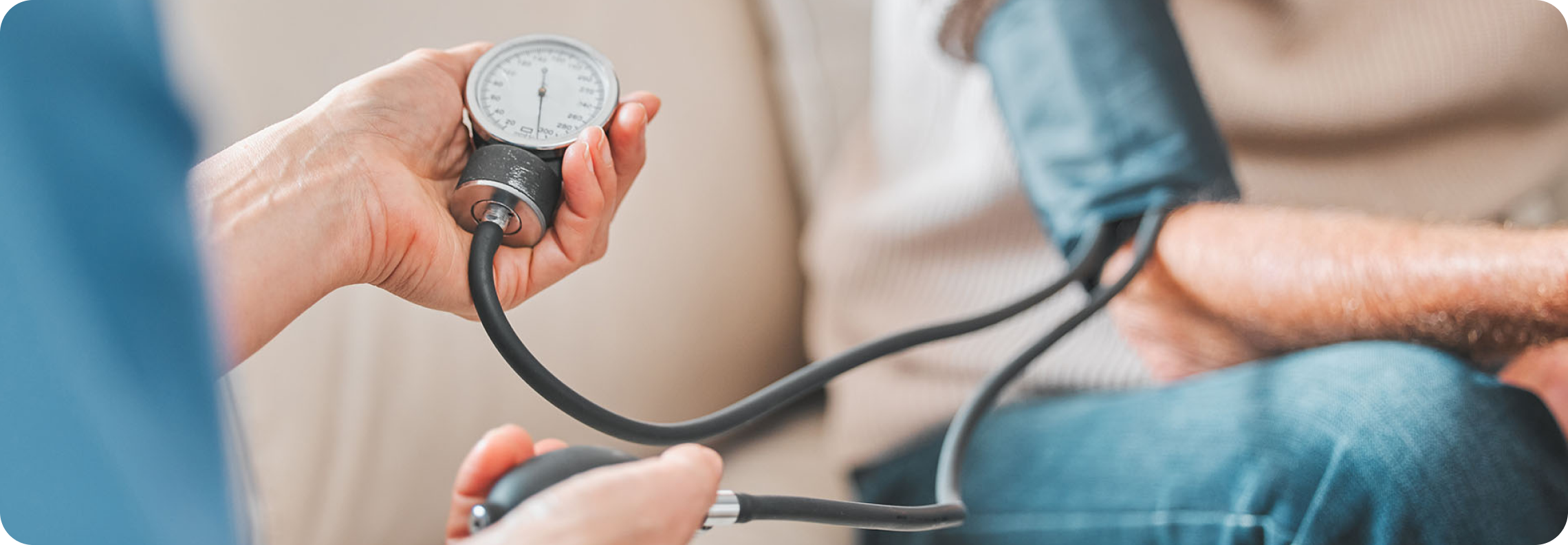
Keeping track of your blood pressure at home is one of the most effective habits for managing hypertension. It gives you direct, day-to-day insights into how your body responds to changes in diet, exercise, sleep, and stress. Instead of waiting for your next clinic visit, home monitoring allows you to notice trends and catch any sudden spikes early.
All you need is a reliable digital blood pressure monitor—preferably a clinically validated upper-arm model. Check your pressure at the same time each day (like morning or evening), and sit calmly for 5 minutes before taking a reading. Keep a log or use a health app to track the numbers, and share them with your doctor during follow-ups.
Home readings can often be more accurate than office ones, especially for people with white-coat hypertension (higher readings in clinical settings due to anxiety). They also help you understand how certain foods, workouts, or emotions impact your pressure levels.
Over time, this habit builds awareness, improves control, and empowers you to make smarter health decisions.
Regular monitoring empowers you to respond to changes swiftly and reinforces your control over the condition, turning your home into your care centre.
*We will respond in the first instance within 30 minutes of the customers contacting us. 30-minute claim support
service is for the purpose of giving reasonable assistance to the policyholder in pursuance of the claim. Settlement of
claim (including cashless claim) is the responsibility of the insurer as per policy terms and conditions. The 30- minute claim support is subject to our operations not being impacted by a system failure or force majeure event or for reasons beyond our control. For further details, 24x7 Claims Support Helpline can be reached out at 1800-258-5881.
*Product information is authentic and solely based on the information received from the Insurer. Policybazaar is acting only as a facilitator and claims settlement shall be at the sole discretion of the Insurer. Policybazaar does not provide any medical or surgical advice or diagnosis and is not responsible for your interactions / treatment by a medical practitioner/hospital. Please consult a registered medical practitioner for any medical or surgical advice. The Information that you obtain or receive from Policybazaar, and its employees, or otherwise on the Website is for informational purposes only. As per the Insurance guidelines, you are allowed to cancel the policy with-in 30 days from the date of Issuance of policy.This option is available incase of policies with a term of one year or more.
*All the health insurance plans cover hospitalization expenses including COVID-19 treatment cover up to the specified limits. You can also buy specific COVID-19 health insurance policies such as Corona Kavach Policy and Corona Rakshak policy.
**All savings and online discounts are provided by insurers as per IRDAI approved insurance plans. #Tax Benefits are subject to changes in tax laws.
*₹1748/month is the starting price for a 1 crore health insurance for an 18-year-old male, with no pre-existing diseases. Discount on renewal premium is subject to the number of wellness points earned in the health insurance policy. For more details about the plans, please read the sale brochure carefully to get upto 100% discount on renewal premium.
*₹400/month is the starting price for ₹ 5 lakh Health insurance for a 30 year old male & 29 years old female, living in Delhi with no pre-existing diseases
*₹541/month is the starting price for ₹ 10 lakh Health insurance for a 30 year old male & 29 years old female, living in Delhi with no pre-existing diseases
*₹762/month is the starting price for ₹ 1 Crore Health insurance for a 30 year old male & 29 years old female, living in Delhi with no pre-existing diseases
*₹243/month(₹ 8/day) is the starting price for a 5 lakh health insurance for a 20-year-old male, non-smoker, living in Bengaluru with no pre-existing diseases
*₹2020/month is the starting price for ₹ 1 Cr Health insurance for a 50 year old male & 50 years old female, living in Bangalore with no pre-existing diseases rounded off to nearest 10.
*₹390/month (₹13 per day) is starting price for 1 cr. Health insurance for 25 years old male, with pre-existing diseases, residing from tier 1 city rounded off to the nearest 10.
*No medical tests are required unless requested by the insurer’s underwriter. In-case of pre-existing diseases relevant medical proof would be required as per the terms and condition of the policy opted.
*The values taken for effective cost calculation are indicative values and may change as per the selected plan.
*Coverage upto double the amount of Sum Insured is available on certain covers for a minimum plan of Rs. 5 Lakh on the first claim only to an individual of upto 45 years of age with no pre-existing diseases. The benefit is available with or without extra cost depending on the plan chosen.
*Coverage of pre-existing diseases is provided by insurer as per their underwriting policy.
*The scope of coverage may vary from plan to plan.
##On ground claim assistance is available in 114 cities
Tax Benefits are subject to changes in tax laws. For more details on risk factors, terms and conditions, please read the sales brochure and applicable rules and regulation carefully before concluding a sale.
STANDARD TERMS AND CONDITIONS APPLY. For more details on risk factors, terms and conditions, please read the sales brochure carefully before concluding a sale.
Policybazaar is a registered Composite Broker |Registration No. 742, Valid till 09/06/2027, License category- Composite Broker| Visitors are hereby informed that their information submitted on the website may be shared with insurers.