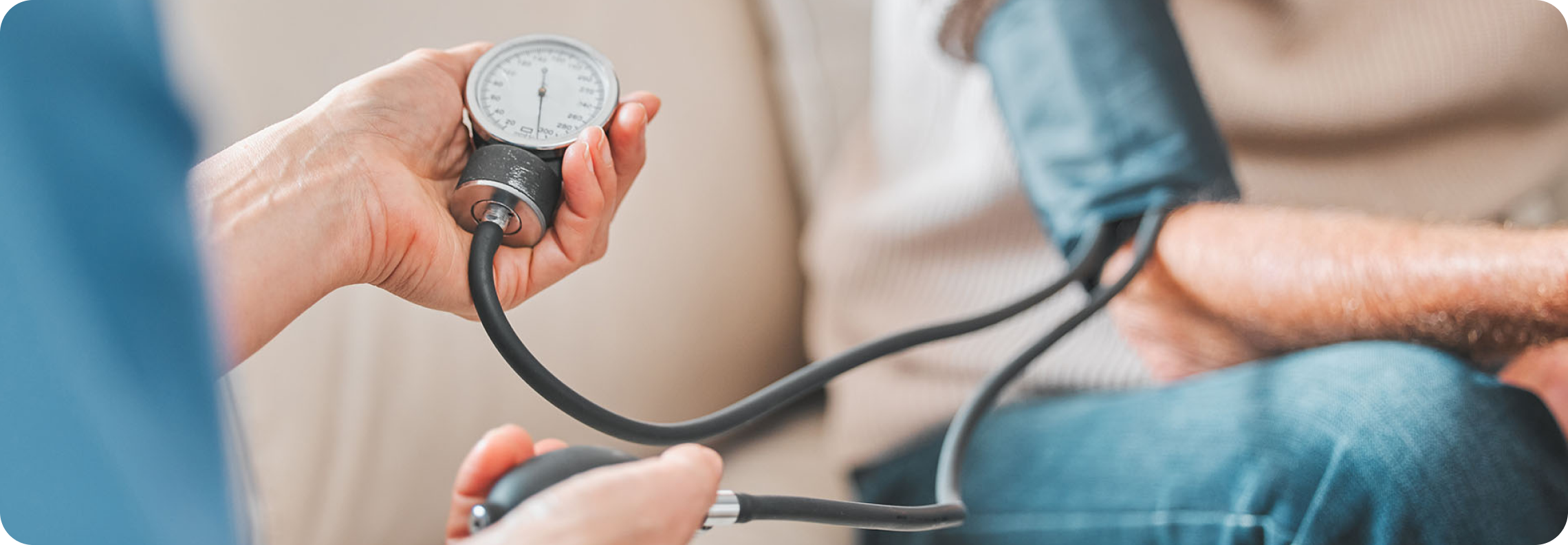
Why Does Checking Blood Pressure at Home Matter?
Checking your blood pressure at home is a simple habit that can significantly affect your health. It gives you more control, helps spot problems early, and supports better decisions for your heart.
High blood pressure often doesn't cause symptoms, so regular monitoring is essential even if you feel fine. You'll notice changes by tracking it at home before they become serious health concerns.
Key Benefits:
1
Early DetectionHome monitoring helps you identify rising blood pressure before it causes damage. This allows you to take action early, through lifestyle changes or medical treatment, before complications develop.
2
Better ControlHome readings provide your doctor with a fuller picture of your condition. This makes it easier to adjust your treatment plan and manage your blood pressure more effectively.
3
More ConvenienceYou don't need to visit the clinic every time. You can monitor your blood pressure at a time that suits you, from the comfort of your home.
4
Avoids "White Coat Effect"Some people experience higher blood pressure at the doctor's office due to stress or anxiety. Home monitoring helps you understand your everyday blood pressure levels more accurately.
5
Encourages AwarenessMonitoring makes you more aware of how your lifestyle affects your blood pressure. This often leads to healthier habits and better long-term outcomes.
Take charge of your health, start home monitoring today!
Get Insured now ›
How Do You Choose the Right Blood Pressure Monitor for Home Use?
Choosing the correct device is essential before monitoring your blood pressure at home. Not all monitors are created equal, and using a poor-quality or improper device can lead to inaccurate readings, which can cause unnecessary worry or lead to wrong treatment decisions.
Look for a medically approved monitor that is easy to use regularly. The best choice depends on your needs, but most people benefit from an automatic, upper arm monitor for the best balance of accuracy and convenience.

What Types of Blood Pressure Monitors Can You Use?

1
Automatic (Digital) Upper Arm MonitorsThese are the most popular and highly recommended for home use. They're easy to use, provide digital results within seconds, and often have memory storage features. They are generally the most reliable option for most people.
2
Wrist MonitorsThese are small and convenient, especially for people who travel often. However, wrist monitors are less accurate and require precise positioning. They are more prone to errors unless used carefully and precisely as instructed.
3
Manual Monitors (Aneroid Devices)These require a stethoscope and some practice. They are usually used by healthcare professionals or those who have been trained. While accurate when used correctly, they are not ideal for most people doing self-checks at home.

What Types of Blood Pressure Monitors Can You Use?

Upper Arm Cuff: Preferred over wrist cuffs for better accuracy.
Proper Cuff Size: Choose a cuff that fits your arm circumference. Using the wrong size can give false readings.
Automatic Inflation: A monitor that inflates automatically is more user-friendly.
Digital Display: Clear, easy-to-read numbers help avoid confusion.
Memory Storage: Built-in memory helps track your readings over time.
Medical Certification: Make sure the device is approved by health authorities such as the FDA or recommended by medical associations.
Choose a monitor that fits your needs and gives you confidence.
Protect yourself today ›
How Should You Prepare Before Taking a Blood Pressure Reading?
Taking your blood pressure may seem quick and easy, but small details matter. Preparing your body and environment properly is essential for the most accurate reading. Small actions like crossing your legs, talking, or rushing into the reading can affect your numbers.

Do This Before Taking a Reading

1
Rest for at least 5 minutes.Sit quietly before you begin. Rushing around or taking a reading right after physical activity can cause falsely high results.
2
Avoid caffeine, exercise, and smoking 30 minutes beforeThese can temporarily raise your blood pressure. It's best to avoid coffee, energy drinks, smoking, or workouts just before a reading.
3
Empty your bladderA full bladder can slightly increase blood pressure. Go to the bathroom first to ensure you're comfortable and relaxed.
4
Choose a quiet environment.Distractions, loud noise, or stressful surroundings can all affect your blood pressure. A calm room helps give more accurate results.

Proper Body Positioning

How you sit and place your arm during the reading can make a big difference. Follow these tips to set yourself up correctly:
1
Sit upright in a chair with your back supported.Avoid lying down or slouching.
2
Keep both feet flat on the floor.Don't cross your legs, as this can increase your reading slightly.
3
Place your arm on a table or firm surface.The cuff should be at heart level, roughly aligned with your chest.
4
Stay still and quiet.Don't talk, move, or look at your phone during the reading. This helps the monitor give a steady and accurate result.
Accurate readings help you stay informed, especially when managing care or making the most of your health insurance.
Get covered for better care. ›
What Is the Step-by-Step Process to Check Blood Pressure at Home?
Now that you're correctly set up, it's time to take your blood pressure. Whether doing this for the first time or trying to make it a regular habit, following a straightforward step-by-step process ensures your readings are reliable and accurate.

Step-by-Step Instructions:

1
Wrap the cuff around your upper armSlide the cuff onto your bare upper arm (not over clothing) and position it above your elbow. It should be snug, but not painfully tight—you should be able to comfortably slide two fingers underneath it.
2
Sit still and turn on the monitorThese can temporarily raise your blood pressure. It's best to avoid coffee, energy drinks, smoking, or workouts just before a reading.
3
Press the "Start" buttonThe cuff will automatically inflate and then slowly deflate. You may feel pressure on your arm as it tightens—this is normal.
4
Wait for the monitor to display your resultsAfter a few seconds, the monitor will display your blood pressure reading. Stay still and silent during this time to avoid interfering with the results.
5
Record your readingWrite down your numbers in a notebook or save them in the device's memory if it has that feature. Including the date and time to track patterns over days or weeks is helpful.

Understanding Your Results

Most home monitors will display three key numbers:
1
Systolic Pressure (top number)This shows the pressure in your arteries when your heart beats.
2
Diastolic Pressure (bottom number)This reflects the pressure in your arteries when your heart rests between beats.
3
Pulse Rate (if shown)This is your heart rate—the number of times your heart beats per minute.
For example, if your monitor shows 125/78 mm Hg with a pulse of 72, that means:
125 is your systolic pressure
78 is your diastolic pressure
72 is your pulse
Knowing how to check your blood pressure correctly helps you confidently manage your health and make informed choices about your care and insurance.
Get insured for peace of mind ›
How Can You Understand Your Blood Pressure Readings?
Knowing what your numbers mean helps you make better health decisions. Don't worry—reading them is easier than it looks.

Blood Pressure Categories (as per American Heart Association):

Category
Systolic (mm Hg)
Diastolic (mm Hg)
Normal
Less than 120
Less than 80
Elevated
120-129
Less than 80
High (Stage 1)
130-139
80-89
High (Stage 2)
140 or higher
90 or higher
Hypertensive Crisis
180+
120+
Understanding your numbers helps you act early, manage risks, and get the most from your health insurance plan.
Get covered with confidence ›
How Often Should You Check Your Blood Pressure?
The right monitoring schedule depends on your health status and your doctor's advice. The key is to stay consistent without overchecking or stressing over small changes.
General Guidelines:
1
Newly Diagnosed with High Blood PressureCheck twice daily—once in the morning before medication or meals, and once in the evening.
2
If Your Readings Are StableMonitoring two to three times a week is often enough. Choose the same time of day for consistency.
3
Starting or Adjusting MedicationCheck daily for the first couple of weeks, or as your doctor recommends, to track how the medication affects your readings.
4
Avoid OvercheckingIt's normal for blood pressure to vary slightly. Don't worry about every small change—focus on overall trends over days or weeks.
Following a regular schedule helps you spot trends early, manage changes, and use your health insurance more effectively.
Stay protected with a plan ›
What Are the Common Mistakes to Avoid While Checking Blood Pressure at Home?
A home blood pressure monitor is an excellent step toward managing your health, but minor errors can lead to inaccurate readings. Even if you have a reliable device, how you use it matters just as much.
Here are some common mistakes people make—and simple ways to avoid them.
Mistakes to Avoid:
1
Placing the cuff over clothingAlways place the cuff on bare skin. Fabric between the cuff and arm can interfere with the reading.
2
Using the wrong cuff sizeA cuff that's too large or too small can give incorrect results. Ensure the cuff fits snugly and is the right size for your arm.
3
Crossing your legs while sittingThis can raise your blood pressure slightly. Keep both feet flat on the floor during the reading.
4
Talking or moving during the readingEven light conversation or small movements can affect your results. Stay silent until the process is complete.
5
Measuring right after eating, exercising, or smokingThese activities can temporarily raise your blood pressure. Wait at least 30 minutes before taking a reading.
Tips for Better Accuracy:
1
Keep a log of your readingsWrite down the date, time, and numbers, or use your monitor's memory feature. This helps spot trends over time.
2
Check both arms the first few timesSome people have slightly different readings in each arm. Use the arm that consistently gives the higher reading for future checks.
3
Don't repeatedly check out of worryTaking multiple readings back-to-back can cause more anxiety than clarity. One or two readings at a time are usually enough
Avoiding small mistakes helps you get the most accurate results and make more innovative use of your health coverage.
Protect your health today ›
How Can You Track and Share Your Blood Pressure Readings?
Tracking your readings over time gives a clearer picture of your heart health. It also helps your doctor adjust your treatment if needed.
Ways to Track:
Use a notebook or paper log
Use your monitor's built-in memory.
Use a mobile app linked to your device.
Create an Excel or Google Sheet tracker.
When visiting your doctor, share:
Average of recent readings
Notes on lifestyle, symptoms, or medications
A clear record supports better care decisions and helps you get the most from your health insurance benefits.
Get insured for more competent care ›
When Should You Call Your Doctor About Your Blood Pressure?
Monitoring your blood pressure at home helps you stay in control—but it's just as important to know when to reach out for medical help. If your readings are unusually high or you feel unwell, don't ignore it. Some situations require immediate attention or a timely check-in with your healthcare provider.

Call Your Doctor If:

➣ Your systolic reading is over 180 mm Hg, or your diastolic reading is over 120 mm Hg
These numbers may indicate a hypertensive crisis. Wait a few minutes and recheck. If the numbers stay high, seek medical help right away.
➣ You have symptoms like chest pain, dizziness, or shortness of breath.
These could be signs of a serious issue, mainly if they occur with high blood pressure.
➣ You keep getting high readings even while on medication
If your blood pressure stays above your target range despite following your treatment plan, your medication may need adjustment.
➣ You're unsure what your numbers mean.
If you're confused or concerned about your results, calling your doctor for clarity and guidance is always okay.
Knowing when to seek help protects your health and helps you use your insurance when it matters most.
Choose coverage that supports you ›
What Lifestyle Tips Help Maintain Healthy Blood Pressure?
Taking your blood pressure at home is a great start, but long-term control comes from everyday habits. The good news? You don't need a complete lifestyle overhaul. Simple, steady changes in how you eat, move, and manage stress can make a real difference.
When done consistently, minor adjustments support healthy blood pressure and overall well-being.
Easy Changes That Help:
1
Eat Less Salt and Processed FoodToo much sodium raises blood pressure. Try cutting back on salty snacks, canned foods, and fast food. Read nutrition labels and aim for fresh, home-cooked meals whenever possible.
2
Stay Active with Regular ExerciseEven light activity, like a brisk 30-minute walk most days, helps lower your blood pressure. You don't need a gym—walking, cycling, gardening, or dancing at home all count.
3
Stay HydratedDrinking enough water supports healthy blood flow and kidney function. Aim for 6–8 glasses a day, unless advised otherwise by your doctor.
4
Limit Alcohol and CaffeineBoth can raise blood pressure if consumed in excess. Enjoy them in moderation—stick to one drink daily for women and two for men, and avoid overdoing coffee or energy drinks.
5
Manage StressChronic stress affects your heart. Deep breathing, yoga, meditation, or simply unplugging from screens can calm your nervous system and support healthy blood pressure.
6
Quit Smoking (If You Smoke)Smoking narrows your blood vessels and raises your blood pressure. Quitting isn't easy, but every day, being smoke-free helps your heart and improves your numbers.
Healthy habits lower your blood pressure, reduce long-term risks, and lower your health insurance costs.
Start your coverage today ›

FAQs

  • Q1. What time of day is best to check blood pressure at home?

    Ans: Morning (before eating or medications) and evening are best. Check daily for consistency.
  • Q2. Is one high reading a reason to worry?

    Ans: Not necessarily. Look for consistent patterns. But if it's incredibly high or you feel unwell, contact your doctor.
  • Q3. Can stress affect my blood pressure reading?

    Ans: Yes. Stress, anxiety, or even rushing to take a reading can raise your numbers.
  • Q4. Should I check both arms?

    Ans: Initially, yes. Afterwards, use the arm that consistently gives higher readings.
  • Q5. Can I use a wrist monitor?

    Ans: Wrist monitors are less accurate unless used exactly as directed. Arm monitors are preferred.
  • Q6. How do I know if my monitor is accurate?

    Ans: Choose a medically approved device and compare your readings with those at your doctor's office.
  • Q7. Do I need a doctor's prescription to buy a monitor?

    Ans: No. Blood pressure monitors are available over the counter or online without a prescription.
  • Q8. Can I check my BP lying down?

    Ans: Sitting upright with back support and arms at heart level is best for consistent results.
  • Q9. What is considered dangerously high blood pressure?

    Ans: A reading over 180/120 mm Hg is a medical emergency—seek help immediately.
  • Q10. Can home monitoring replace doctor visits?

    Ans: No. It's a helpful tool, but not a substitute. Always consult your doctor for diagnosis and treatment.