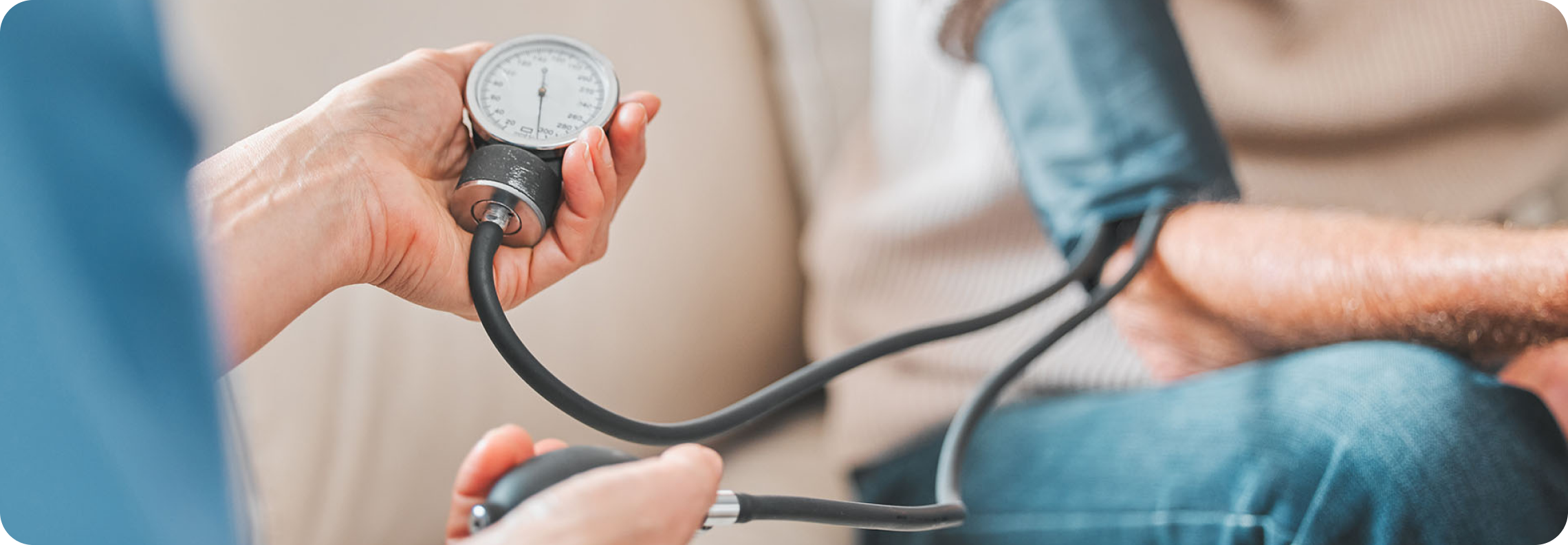
What Are the Silent Signs of High Blood Pressure?
Recognising the silent indicators of high blood pressure is the first step; it will help you take proactive steps to regulate it before it progresses. Determining the symptoms can be challenging. It could be a little confusing for you to recognise high BP symptoms, especially if you have Type 1 diabetes, Type II Diabetes, or Prediabetes, as they tend to appear similar.
Early Silent Signs:
1
Persistent headaches
If you are experiencing persistent headaches usually at the back of your skull, it could be a subtle sign of high blood pressure.
Your headache can feel like:
Having mild but persistent headaches, especially after you wake up in the morning.
Feeling a sense of pressure in your head due to elevated blood pressure whenever under a stressful situation.
2
Dizziness
It is an uncommon symptom due to reduced blood flow to the brain. It is easy to overlook dizziness as a sign of fatigue, dehydration, or hunger.
Dizziness can feel like:
Feeling as if you cannot keep yourself steady, or losing balance.
3
Shortness of breath
It is due to strain on the heart. The heart has to work twice as hard to pump the blood, and could be a silent indicator of high BP.
Shortness of breath can feel like:
Feeling chest discomfort or pressure.
A feeling of an unsteady and accelerated heartbeat.
4
Blurry vision
It happens because the tiny blood vessels in the retina rupture, causing fluid retention and internal bleeding. It could be a subtle warning of high BP.
Blurred vision or strain in the eyes can feel like:
Feeling of hazy, or double vision.
Severe headaches often accompany it.
5
Irregular heartbeat
It happens due to the enlargement of the heart or strain on the muscles. This strain leads to atrial fibrillation and arrhythmias.
An Irregular heartbeat can feel like:
Feeling as if your heart is palpitating or throbbing.
Feeling as if your heart beat is racing or skipping beats altogether.
6
Nosebleed
It is an uncommon symptom, but it becomes crucial to pay attention if you are experiencing frequent or heavy nosebleeds without any nasal injury. It happens due to rupture of the blood vessels in the nose.
Nosebleeds can feel like:
A feeling of the blood flowing down both nostrils.
It feels like liquid in the throat before it reaches the nostrils.
7
Pounding in the chest, neck, or ears
It happens due to increased blood pressure during the contraction of the heart.
Pounding can feel like:
Feel your throbbing heartbeat in your ears, neck, or chest whenever you lie down or rest.
Today's preventive measures can help you prevent high blood pressure tomorrow.
Stay protected with coverage
How Does High Blood Pressure Affect Your Daily Life?
One of the challenges with high blood pressure is that it impacts your daily life activities by impairing the functioning of the essential organs. However, by early diagnosis and timely intervention, you can manage the troubling effects of high blood pressure. Effective management starts with a healthy, high blood pressure diet that is low in sodium and packed with essential micro and macro-nutrients. Combining a healthy diet with exercise to manage high blood pressure will improve overall health.
Effects of high blood pressure:
1
Persistent headachesPersistent headaches are a common symptom of uncontrolled high blood pressure. It can disturb your day-to-day tasks.
2
Brain fogBrain fog disrupts essential activities by affecting your cognitive functioning and making it hard to focus on tasks.
3
Mood swingsMood swings happen due to poor sleep and stress. Mood swings interfere with your daily activities by affecting your mental health.
4
FatigueFatigue happens as high blood pressure impairs the performance of the essential hormone.
By the symptoms that appear, your blood pressure might progress and quietly damage the organs.
Monitor early, act smarter
Can Headaches Be a Symptom of High Blood Pressure?
Headache is the most common symptom experienced by many with high blood pressure. It stems from various causes, such as poor sleep and stress, including high blood pressure. It is not always an obvious symptom and is often triggered by elevated blood pressure levels. Understanding the dynamics of headache and high blood pressure will help you with early diagnosis and prevention.
Causes of headaches:
1
Strain on the intracranialIntracranial means everything that is associated with your skull. Increased blood pressure widens the pathway of blood vessels, increasing the pressure on the skull. This strain on the intracranial triggers a headache.
2
Restricted blood flowHigh blood pressure limits the blood flow to the brain, reducing the oxygen levels too. Reduced blood flow can trigger a headache.
3
Bleeding in the brainBleeding in the brain is uncommon and happens in severe cases. It occurs due to the bursting of the blood vessels caused by high blood pressure. The rupture of the ship causes internal bleeding, also known as hemorrhagic stroke.
4
Hypertensive crisisWhen the blood pressure readings are 180/120 mm Hg or above, it is known as a hypertensive crisis. It can be accompanied by various other symptoms like severe headaches, chest pain, shortness of breath, and fatigue.
Early awareness can change everything. Do not wait for the symptoms.
Take charge of heart health
Why Blurred Vision May Indicate Elevated Blood Pressure?
When you have elevated blood pressure, your body will send you alarming signals, including blurry vision. It is not a specific symptom and is not experienced by everyone; however, some encounter it. You can prevent its onset by catching the early signals. Knowing the potential connection between your eyesight and high blood pressure is essential when taking preventive steps. The tiny blood vessels in the eyes experience excessive strain due to high blood pressure. This strain disrupts the blood flow to the eyes, or the blood vessels can burst in severe cases. It becomes crucial to be aware of any vision changes.
Hypertension can lead to:
1
RetinopathyIn this condition, the blood vessels in the retina are damaged. The retina is the light-sensing cells in the eye, and damage to the vessels can lead to internal bleeding, blurry vision, and permanent vision loss in some cases.
2
NeuropathyIt happens due to restricted blood flow to the eyes, which in turn interferes with their functions and can lead to internal bleeding in the eyes or vision loss.
3
ChoroidopathyIt occurs due to excess fluid retention in the retina and can result in blurry vision.
Stay on top of your health needs.
Safeguard your health today
Is Chest Pain a Warning Sign of High Blood Pressure?
Chest pain, known as angina, is one of the most direct signs of high blood pressure. It indicates improper functioning of the cardiovascular system of your body. However, before knowing how to overcome these, let us start by understanding the cause behind them. The main cause is that the excessive pressure of blood puts a strain on your heart. But you can overcome it by taking medications, following a proper diet, adequate rest and stress management.
Types of angina:
1
Stable anginaIt is one of the most common types of angina. It happens when your body is under pressure to pump more blood, such as during physical movements and stress. Usually it goes away with rest, and sometimes with the help of medications.
2
Unstable anginaIt is usually experienced while resting. It happens due to narrowing of the arterial walls.
3
Microvascular anginaIt is the chest pain that lasts for more than 15 - 20 minutes. It indicates having microvascular diseases.
4
Prinzmetal anginaIt is the chest pain that is said to be painful and occurs mostly when at rest. It happens due to a spasm in the arterial walls.
5
Refractory anginaIt is the chest pain that persists even after taking medicines or after having surgery.
Being aware is the first step to a healthy heart.
Start your insurance journey today
Can You Feel High Blood Pressure in Your Heartbeat?
Have you ever experienced your heartbeat racing? Racing heartbeat or palpitations are common. However, persistent heart palpitations can be an alarming sign and indicate immediate medical conditions. Heart palpitations can be due to various factors, including high blood pressure.
Heart palpitations feel like:
Racing of the heartbeat
Skipping a beat
Pounding of the heartbeat
Heart palpitations can be felt in the region of the heart, neck, throat and ears.
Cause of heart palpitations:
1
Activation of the sympathetic nervous systemThe sympathetic nervous system gets activated whenever your blood pressure levels are elevated, causing heart palpitations.
2
Imbalance of electrolytesHaving imbalances of electrolytes like potassium, sodium, and calcium affects the heart's electrical system, causing heart palpitations.
3
Other underlying conditionsCertain underlying medical conditions, such as Diabetes, thyroid disease, and kidney disease, can cause heart palpitations.
Small changes can prevent significant health costs tomorrow.
Get insured now
Is Fatigue Related to High Blood Pressure?
Although not directly linked, several factors, including high blood pressure, can contribute to fatigue. Poor sleep cycle, nutritional deficiencies, and certain medical conditions primarily cause it. Many individuals do not experience fatigue; however, it could be a subtle warning of high blood pressure. Determining it at the right time can help you manage the situation before it progresses.
Fatigue can feel like:
Brain fog: Brain fog can feel like confusion due to elevated blood pressure, dehydration, poor sleep, and hormonal imbalance.
Dizziness: Dizziness can make you feel like your head is spinning, due to restricted blood flow and immediate blood pressure spikes.
Blurry vision: Blurry vision is due to excessive pressure on the blood vessels near the retina, which could lead to vessel rupture.
Chest discomfort: Chest discomfort is due to excessive strain on the heart to pump blood, as it has to work twice as hard.
Shortness of breath: Shortness of breath is due to excessive strain on the heart to pump blood, as it has to work twice as hard.
Frequent headaches: Frequent headaches are due to restricted blood flow to the brain.
Complications can be unpredictable - ensure you have the proper health support.
Get covered today
Why Sleep Issues and High BP Often Go Hand-in-Hand?
Your sleep cycle and blood pressure are correlated with each other. With hypertension, you may experience reduced sleep hours and deteriorated quality. Its symptoms often get neglected until they become severe; thus, understanding how it can impact your sleep cycle can help you make informed decisions to improve it. Insomnia or lack of sleep is common in hypertension, so getting 7 - 8 hours of quality sleep is crucial to keep your blood pressure levels steady. Quality sleep is essential for hormone secretion, fast metabolism, muscle recovery, and memory.
Here are common sleep disorders associated with hypertension:
1
Insomnia
2
Restless leg syndrome
3
Sleep Apnea
Managing high blood pressure should not take a toll on your finances.
Pick a plan that suits you.

FAQs

  • Q1. How can I reduce my blood pressure levels quickly?

    Ans: To lower blood pressure levels immediately, lie or sit down, keep yourself hydrated, and perform breathing exercises to regulate the heart rate.
  • Q2. How to prevent high blood pressure?

    Ans: You can prevent high blood pressure by maintaining a healthy lifestyle, eating nutritious foods, exercising regularly, getting adequate sleep, and managing stress.
  • Q3. How much BP is normal for my age?

    Ans: A typical range for adults is less than 120/80 mm Hg, where 120 is the systolic reading and 80 is the diastolic reading.
  • Q4. Can young adults have high blood pressure?

    Ans: Young adults can have high blood pressure due to lifestyle factors, genes, and other underlying medical conditions.
  • Q5. Why are my blood pressure levels high for no reason?

    Ans: Your blood pressure levels can spike after consuming caffeine, being under stress, and exercising.
  • Q6. Can I lower my blood pressure levels by drinking lots of water?

    Ans: Drinking water and keeping yourself hydrated may help you lower your blood pressure.
  • Q7. Can stress increase my blood pressure?

    Ans: Yes, stress can lead to increased blood pressure. But these changes are temporary, as anxiety can increase the heart rate.
  • Q8. When should I check my blood pressure for accurate results?

    Ans: Checking blood pressure in the morning and evening may help you identify an accurate pattern without any hindrance.
  • Q9. What should be avoided in high blood pressure?

    Ans: It is advised to avoid high-sodium, oily, and sugary food items. Diet is as important as medicines and exercise to manage high blood pressure.
  • Q10. Can high blood pressure lead to nausea and vomiting?

    Ans: Yes, high blood pressure can lead to nausea and vomiting in case of hypertensive crisis, where the reading is 180/120 mm Hg, and one should seek immediate medical attention.