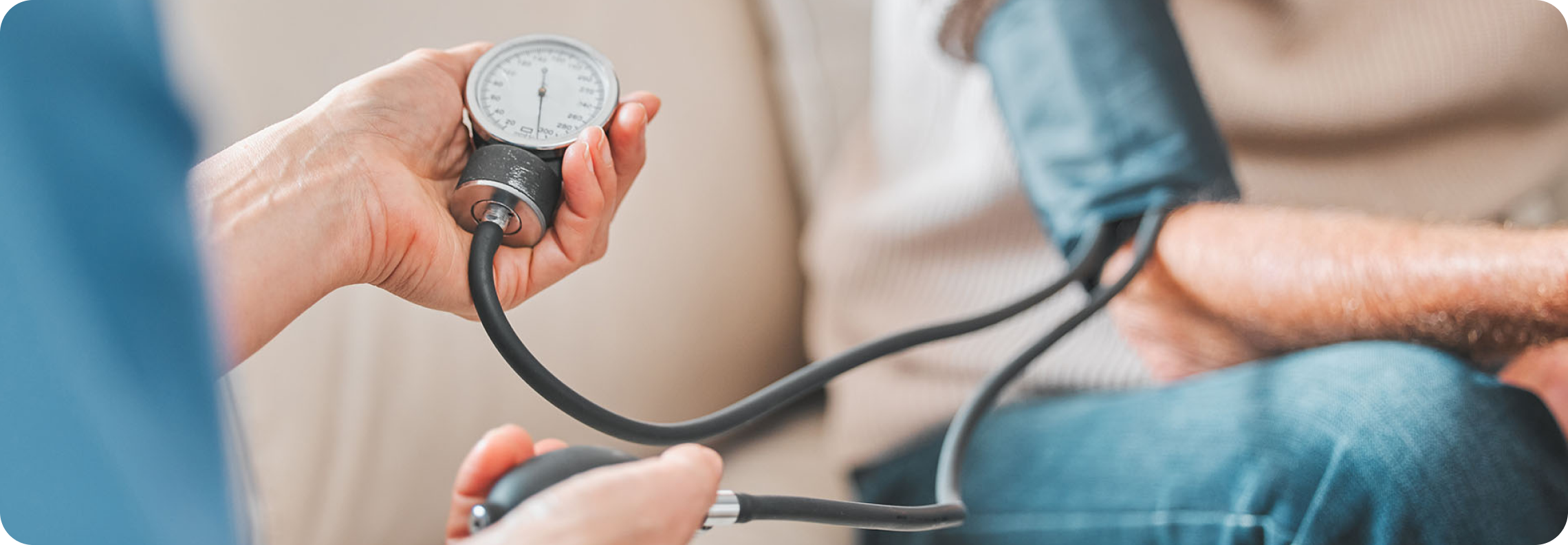
What Is High Blood Pressure?
High blood pressure, or hypertension, is a common yet manageable health condition where the force of your blood against artery walls remains elevated over time. While it may sound serious, the good news is that early detection and simple lifestyle adjustments can go a long way in maintaining a healthy heart and preventing complications.

Understanding Blood Pressure Readings

Blood pressure is measured using two numbers:
Systolic pressure (top number) is when your heart contracts and pumps blood.
Diastolic pressure (bottom number) is when your heart rests between beats.
Together, these numbers help your doctor understand how well your heart and blood vessels function. Here's how they are typically classified:
1
NormalLess than 120/80 mmHg: This range is ideal and indicates your cardiovascular system is working well. Maintaining this range through balanced habits sets the foundation for long-term health.
2
ElevatedSystolic between 120–129 and diastolic less than 80 mmHg: This is a gentle reminder to take action. It is the perfect time to adopt heart-healthy habits such as regular exercise, mindful eating, and reducing salt intake.
3
Stage 1 Hypertension130–139 systolic or 80–89 diastolic: At this stage, combining lifestyle changes with regular monitoring can help bring your numbers down. For some, medication might be recommended to prevent future risks.
4
Stage 2 Hypertension140/90 mmHg or higher: A proactive plan, including medication and lifestyle support, ensures better heart health and well-being.
5
Hypertensive Crisis180/120 mmHg or higher: Although rare, this level requires urgent care. The good news is that regular testing helps catch high readings long before they reach this point.
Understand the basics of hypertension and why early care matters.
Get insured today ›
Why Testing for High Blood Pressure Matters
Testing for high blood pressure isn't just about numbers on a screen—it is about understanding your body and protecting your future. Regular blood pressure checks give you early insights into cardiovascular health, helping you stay one step ahead of potential complications.
High blood pressure doesn't always cause noticeable symptoms but can quietly strain vital organs over time. Fortunately, consistent monitoring allows for early detection, which is the key to prevention, control, and peace of mind.

Potential Risks of Unmanaged High Blood Pressure

Without regular testing, high blood pressure can go unnoticed and potentially lead to severe conditions, such as:
1
Heart DiseaseElevated blood pressure can force your heart to work harder, increasing the risk of heart attacks, heart failure, and abnormal heart rhythms.
2
StrokeHypertension is one of the leading causes of strokes. Catching high readings early helps protect your brain and maintain cognitive function.
3
Kidney FailureYour kidneys filter waste from your blood. High blood pressure can damage this filtration system, reducing kidney function over time.
4
Vision LossTiny blood vessels in the eyes are sensitive to pressure. Chronic hypertension may result in blurred vision or even loss of eyesight if left unmonitored.
5
Cognitive DeclineResearch shows a strong link between high blood pressure and memory problems or dementia. Regular testing safeguards your mental sharpness as you age.
Discover why timely testing could save you from future health costs.
Protect your future ›
The Power of Early Detection
The good news is that early intervention works. Simple steps—like lifestyle adjustments, medication when necessary, and mindful eating—can bring your blood pressure into a healthy range and reduce long-term risk.
For people living with Prediabetes, Type 2 Diabetes, or a family history of cardiovascular issues, blood pressure testing becomes even more crucial. Understanding how sugar affects diabetes, for instance, also helps manage cardiovascular strain, since both conditions often coexist.
By making blood pressure testing a routine part of your wellness plan, you're not just protecting your heart but investing in a healthier, more vibrant future.
Learn how early diagnosis leads to more innovative treatment and savings.
Insure yourself today ›
Office Blood Pressure Measurement (OBPM)
The Office Blood Pressure Measurement (OBPM) is the most familiar and accessible method used in routine healthcare visits. It offers a quick and non-invasive way to monitor your cardiovascular health and detect early signs of hypertension.

How It Works

During a standard OBPM test, a healthcare provider performs the following steps:
A cuff is placed around your upper arm, then inflated to stop blood flow temporarily.
A sphygmomanometer measures your systolic and diastolic pressure as the cuff deflates and blood begins to flow again.
You may be asked to sit calmly for about 5 minutes beforehand to ensure accurate results, as even mild stress or movement can influence readings.
This method is usually done at every annual checkup or doctor's visit, making it a convenient and effective way to track changes in blood pressure over time.

Benefits of OBPM

Quick and reliable screening in a professional setting
Baseline comparison to track progress or diagnose concerns
Immediately consult your doctor if elevated readings are found.

Limitations to Consider

While OBPM is helpful, it is essential to understand its limitations:
1
White Coat HypertensionSome individuals experience temporarily elevated readings due to nervousness during a doctor visit. This can lead to overdiagnosis if not confirmed with additional testing.
2
Masked HypertensionIn contrast, some people may show regular readings in the clinic but have high blood pressure in daily life, often due to stress or physical activity. This can lead to underdiagnosis if OBPM is used alone.
Because of these nuances, healthcare professionals may recommend additional testing methods, such as Ambulatory Blood Pressure Monitoring (ABPM) or Home Blood Pressure Monitoring (HBPM) for a more complete picture.
Know how OBPM monitors blood pressure at clinics.
Get covered now ›
Ambulatory Blood Pressure Monitoring (ABPM)
Ambulatory Blood Pressure Monitoring (ABPM) is widely regarded as the gold standard for accurately diagnosing hypertension. Unlike one-time measurements at the clinic, ABPM gives a complete, real-life picture of how your blood pressure behaves day and night.

How It Works

ABPM involves wearing a small, portable blood pressure monitor connected to a cuff around your upper arm. The device:
Automatically record your blood pressure every 15–30 minutes daily and nightly.
Tracks your readings during routine activities, including work, rest, meals, and sleep.
Collecting data over 24 hours offers a much broader perspective than single readings.
You wear the device while continuing your normal daily activities, which helps identify how real-world situations, like stress, physical movement, or rest, affect your blood pressure.

Advantages of ABPM

ABPM is especially beneficial for people whose blood pressure readings vary or are difficult to interpret through standard tests. Some of its most valuable features include:
1
Detects Nighttime HypertensionABPM tracks blood pressure while you sleep, which is essential because elevated nighttime readings are strongly associated with cardiovascular risk.
2
Identifies White Coat and Masked HypertensionIt helps distinguish between white coat hypertension (elevated in the clinic only) and masked hypertension (normal in the clinic but high at home).
3
More Accurate Risk PredictionSince ABPM provides multiple readings over time, it gives a more reliable cardiovascular risk assessment than isolated readings.
4
Helps Guide Treatment PlansABPM results allow your doctor to tailor treatments more effectively—whether that means medication changes, lifestyle guidance, or further testing.

Who Should Consider ABPM?

This test is especially recommended for individuals who:
Have inconsistent blood pressure readings
The clinic should show regular readings, but high readings should be done at home.
Experience suspected white coat or masked hypertension.
Are you starting or adjusting blood pressure medications?
A more in-depth assessment of daytime and nighttime blood pressure behaviour is needed.
Explore how ABPM gives a 24-hour view of real-life blood pressure.
Get full-time protection ›
Home Blood Pressure Monitoring (HBPM)
Home Blood Pressure Monitoring (HBPM) is a reliable and convenient way to track your blood pressure over time, right from the comfort of your home. It offers a more natural and consistent view of your blood pressure, free from the potential stress of a clinical setting.
Why HBPM Is Valuable
Monitoring at home provides insights into how your daily habits, routines, and emotions influence your blood pressure. It is an excellent tool for individuals who want to take a more active role in their health.

Key Benefits

1
Reflects True Daily AveragesReadings taken at home tend to be more accurate because you're in a familiar, stress-free environment, eliminating factors like white coat syndrome.
2
Promotes Awareness and ConsistencyRegular monitoring builds health awareness and encourages you to stay consistent with lifestyle changes or medication.
3
Supports Personalised TreatmentBy sharing a log of daily readings with your doctor, you help them make more informed decisions and adjust your treatment plan with precision.
4
Early Detection of FluctuationsHome monitoring can catch subtle changes before symptoms arise, offering the chance to take corrective steps early.

Tips for Effective Monitoring

To get the most out of HBPM:
Use a clinically validated, automatic upper-arm blood pressure monitor—avoid wrist or finger monitors for best accuracy.
Take readings at the same time each day, such as in the morning and evening, and before taking medication.
Sit quietly for 5 minutes before measuring, with your back supported and feet flat on the floor.
Keep a written or digital log of your readings, including the time and date of each test.

Ideal for Ongoing Management

HBPM is especially helpful for individuals who:
Are newly diagnosed with hypertension
Are you making lifestyle or dietary changes?
Need to monitor the effectiveness of medication.
Prefer a non-invasive, empowering way to manage their health.
See why at-home monitoring can improve outcomes and reduce costs.
Get insured for home checkups ›
Blood Tests to Identify Underlying Causes
While high blood pressure (hypertension) is often a condition on its own, it can also be a sign of deeper health issues. This is known as secondary hypertension, and it is usually linked to kidney problems, hormone imbalances, or metabolic disorders like diabetes. Blood tests are key to uncovering these hidden contributors and ensuring treatment targets the root cause, not just the symptoms.

Why Blood Tests Matter

Blood tests do more than just offer a snapshot of your internal health. They help detect conditions driving your blood pressure higher, allowing for a more tailored and practical treatment approach. Addressing these causes can lead to better control—and sometimes even resolution—of your high blood pressure.

Standard Blood Tests for Hypertension

1
Serum Creatinine and eGFRThese tests evaluate kidney function. Poor kidney health can elevate blood pressure by affecting fluid balance and waste removal.
2
Blood Glucose and HbA1cThese measure blood sugar levels and long-term glucose control. Undiagnosed diabetes or insulin resistance can contribute to hypertension and must be addressed early.
3
Lipid ProfileAssesses cholesterol and triglyceride levels. High levels of LDL ("bad") cholesterol or low HDL ("good") cholesterol increase the risk of cardiovascular issues linked to high blood pressure.
4
Electrolytes (Sodium, Potassium)Imbalances can result from certain medications or hormonal disorders, such as hyperaldosteronism, which can raise blood pressure dramatically.
5
Thyroid Function Tests (TSH, T3, T4)Both hyperthyroidism and hypothyroidism can influence blood pressure. These tests help rule out thyroid disorders as a contributing factor.

When Are These Tests Recommended?

Your healthcare provider may recommend blood tests if:
Your blood pressure is resistant to treatment
You are young and have developed hypertension without an apparent cause.
You show signs of organ damage or metabolic imbalance.
You have a family history of endocrine or kidney disorders.
Uncover secondary causes of hypertension through lab blood testing.
Get covered for lab tests ›
Urine Tests for Kidney Function and Hormonal Causes
Urine tests are an important yet often overlooked part of diagnosing the root causes of high blood pressure. These simple, non-invasive tests can reveal signs of kidney damage, hormonal imbalances, and other health issues contributing to elevated blood pressure.

Why Urine Tests Matter in Hypertension

High blood pressure is sometimes a symptom of underlying kidney or adrenal gland problems. Urine tests help doctors uncover these connections early, allowing for targeted treatment and better blood pressure control. They can also track how well the kidneys are functioning, especially in people with hypertension for a long time.

Key Urine Tests for High Blood Pressure Evaluation

1
UrinalysisThis basic test looks for protein, glucose, ketones, and blood in the urine. Protein (proteinuria) may suggest kidney damage, while blood or glucose could point to other conditions like diabetes or urinary tract issues.
2
Albumin-to-Creatinine Ratio (ACR)ACR measures how much albumin (protein) is in your urine compared to creatinine. Even small amounts of albumin (microalbuminuria) can be an early sign of kidney damage, especially in individuals with diabetes or longstanding high blood pressure.
3
24-Hour Urine Collection This test provides a detailed picture of kidney function and hormonal activity. It is used to:
Measure cortisol levels to check for Cushing's syndrome
Assess metanephrines and catecholamines to rule out pheochromocytoma, a rare adrenal tumour.
Analyse sodium and potassium levels, which affect blood pressure regulation.

When Are These Tests Recommended?

Your doctor may suggest urine testing if:
You have resistant or severe hypertension
You are young and have developed high blood pressure without risk factors.
Other Tests suggest hormonal imbalances.
You have signs of kidney dysfunction, such as swelling, fatigue, or abnormal blood tests.
Learn how urine tests detect kidney issues that raise blood pressure.
Safeguard your well-being ›
Electrocardiogram (ECG or EKG)
High blood pressure strains the heart and can lead to left ventricular hypertrophy or arrhythmias.

ECG Benefits:

Measures the electrical activity of the heart
Detects signs of thickened heart muscles
Helps identify past heart attacks or abnormal rhythms
Discover how ECG detects heart strain caused by hypertension.
Ensure cardiac screening ›
Echocardiogram and Imaging Tests
If your doctor suspects damage to the heart or arteries, they may recommend imaging studies.

Common Imaging Tests:

Echocardiogram: Ultrasound of the heart to evaluate structure and function
Renal Ultrasound: Assesses kidney size and detects structural abnormalities
CT/MRI Angiography: Used in complex or resistant cases to examine blood vessels
Understand how imaging tests show organ damage from high BP.
Protect your health now ›

FAQs

  • Q1. How often should I get my blood pressure checked?

    Ans: You should check your blood pressure at least once a year. If it is high or you are on medication, check it more often.
  • Q2. Is home monitoring as accurate as clinic testing?

    Ans: Home monitoring is accurate if you use a good-quality machine and follow the correct steps.
  • Q3. What is considered a normal home blood pressure reading?

    Ans: A normal home reading is usually less than 135/85 mmHg.
  • Q4. Can stress alone cause high blood pressure?

    Ans: Stress can cause short-term increases in blood pressure. Long-term stress may lead to permanent high blood pressure.
  • Q5. What is the best time of day to measure blood pressure?

    Ans: The best times are in the morning and evening, before eating or taking medicine.
  • Q6. Do I need both ABPM and HBPM?

    Ans: ABPM is used for diagnosis. HBPM helps keep track of your blood pressure over time.
  • Q7. Can blood pressure tests detect heart disease?

    Ans: Blood pressure tests cannot detect heart disease directly, but high readings may lead doctors to check your heart.
  • Q8. Are lab tests necessary for all hypertensive patients?

    Ans: Yes, lab tests help doctors determine what is causing the high blood pressure and if it affects your organs.
  • Q9. What does a high ACR indicate in urine tests?

    Ans: A high ACR may show early kidney damage caused by high blood pressure or diabetes.
  • Q10. Can high blood pressure go away on its own?

    Ans: No, but it can be controlled with healthy habits, medicine, and regular check-ups.