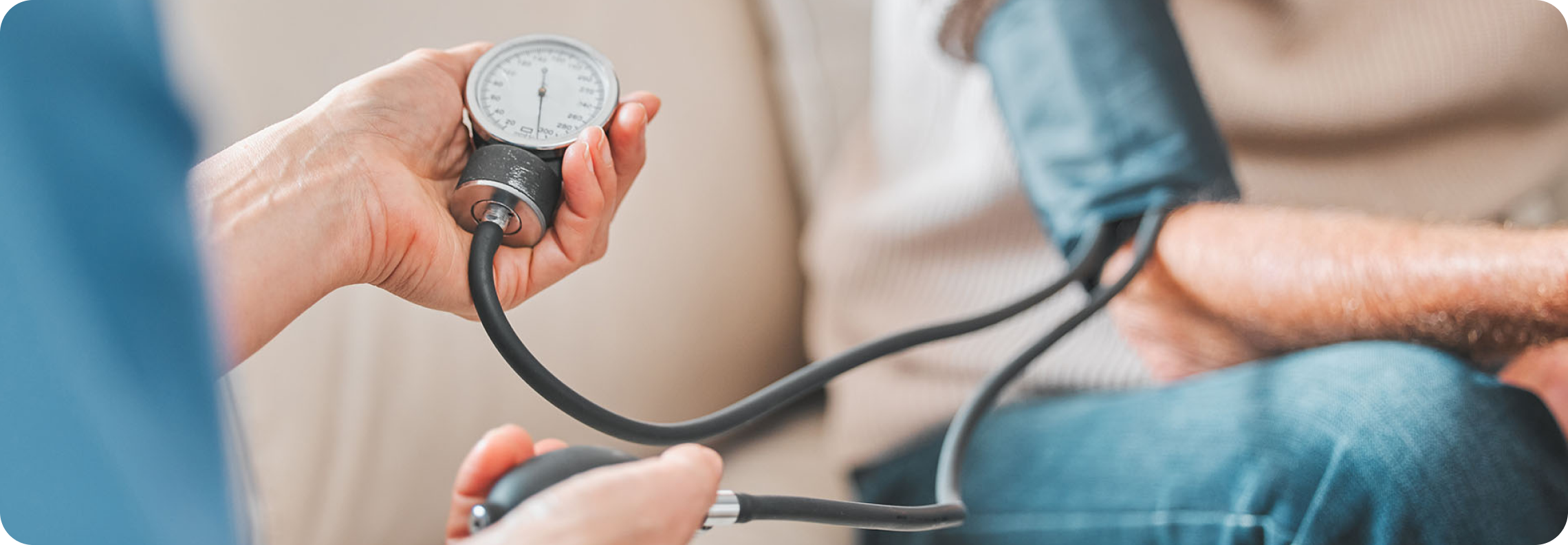
What is High Blood Pressure & Why Its Treatment Matters
High blood pressure, or hypertension, happens when the pressure of your blood pushing against the walls of your arteries stays too high for too long. Think of it like turning a water tap on full blast over time; the constant high pressure can start to damage the pipes. In your body, this means your blood vessels, heart, kidneys, brain, and even your eyes are working under too much stress.
The real challenge? High blood pressure usually doesn't come with obvious warning signs. Most people feel completely normal. That's why it is often called the "silent killer." You could be going about your daily life, unaware that your blood vessels are slowly getting damaged.
But here's the good news: high blood pressure is treatable once discovered. When caught early and managed properly, you can protect your body from serious health problems like heart attacks, strokes, kidney disease, and vision loss.
Many people with high blood pressure also have other conditions like Type 2 diabetes, which can increase the strain on the heart and blood vessels. That's why it is so important to take your blood pressure seriously, especially if you've been diagnosed with diabetes or are at risk for it.
The earlier you start managing it, the better. Small changes today can make a big difference in how you feel tomorrow. Taking control of your blood pressure gives you the chance at a longer, stronger, and healthier life.
Early awareness can change everything. Do not wait for symptoms.
Take charge of your heart health ›
What Lifestyle Changes Are Required for Hypertension?
Managing high blood pressure starts with your daily routine. The good news? Small, consistent changes can lead to significant improvements—and may even reduce or delay the need for medication.
Steps to Improve Blood Pressure Naturally:
1
Get Moving RegularlyPhysical activity helps your heart pump more efficiently and lowers BP naturally. Aim for at least 30 minutes of brisk walking most days. Other good options include swimming, cycling, dancing, or gardening.
2
Prioritise Quality SleepRestorative sleep allows your body to recover and regulates stress hormones. Aim for 7–8 hours of sound sleep each night. Poor sleep can raise blood pressure over time.
3
Cut Back on Smoking and AlcoholSmoking damages blood vessels and raises BP almost instantly. Quitting brings fast benefits. Limit alcohol to moderate levels—too much can raise blood pressure and weaken your heart.
4
Manage Stress in Healthy WaysChronic stress is a silent trigger. Try deep breathing, yoga, mindfulness, journaling, painting, or simply spending time with loved ones. These help both your heart and emotional health.
Extra Benefit
These lifestyle changes do not just improve blood pressure; they also support better blood sugar control and help prevent prediabetes from progressing into Type 2 diabetes.
Small changes today can prevent significant health costs tomorrow.
Check your coverage now ›
What Dietary Adjustments are required for Hypertension?
The food on your plate doesn't just fill your stomach, it fuels your health. One of the most effective ways to manage high blood pressure is through smart, mindful eating. The DASH diet (Dietary Approaches to Stop Hypertension) focuses on whole, nutrient-rich foods that naturally help lower blood pressure. The DASH diet also overlaps with effective diabetes meal planning. Both emphasise reducing added sugars, refined carbs, sodium, and unhealthy fats. So if you are managing high blood pressure alongside diabetes or prediabetes, this plan supports your heart and your blood sugar levels at the same time.
Here's how you can start making better choices at mealtimes:
1
Load Up on the Right Foods: Try to include more of the following in your daily meals:
Fruits and vegetables: These are packed with vitamins, minerals, and fibre. They also help lower cholesterol and support blood vessel health.
Whole grains: Oats, brown rice, quinoa, and whole wheat bread are great options.
Low-fat dairy: Yoghurt, milk, and cheese provide calcium and protein without the added saturated fat.
2
Get Your Nutrients Naturally: Specific nutrients play a significant role in regulating blood pressure. Focus on foods rich in:
Potassium (like bananas, sweet potatoes, and spinach): Helps counter the effects of sodium.
Magnesium (found in nuts, seeds, and leafy greens): Supports healthy blood vessel function.
Calcium (in dairy, tofu, and some fortified plant milks): Important for heart rhythm and blood pressure regulation.
3
Cut Back Without Feeling Deprived: While some foods can help, others can hurt. Try to reduce your intake of:
Salt: Limit to less than 2,300 mg daily (about 1 teaspoon). Avoid heavily processed or packaged foods where sodium hides.
Sugar: Too much can lead to weight gain, insulin resistance, and raised blood pressure.
Low-fat dairy: Red and processed meats: Choose lean protein sources like fish, poultry, beans, or tofu instead.
Eating smart today can protect your heart tomorrow.
Explore a health plan today ›
Which medicines may help with hypertension?
If lifestyle changes like diet and exercise do not reduce your blood pressure, do not worry; many safe and effective medications can help. Doctors usually start with the lowest possible dose and adjust it over time based on how your body responds.
Here's a simple breakdown of the most common types of blood pressure medications and how they work:
1
Diuretics (Water Pills)These medications help your kidneys remove extra salt and water from your body. Less fluid in your blood vessels means less pressure on the walls of your arteries.
2
ACE Inhibitors and ARBsThese medications relax your blood vessels so blood can flow more easily, reducing the strain on your heart. They are invaluable if you also have diabetes, as they protect your kidneys from long-term damage.
3
Beta-BlockersBeta-blockers slow down your heart rate and reduce how hard your heart has to work. They are often used if you've had a heart attack or have certain heart conditions, along with high blood pressure.
4
Calcium Channel BlockersThese help prevent your blood vessels from tightening or narrowing, which keeps your blood pressure in check. They also improve circulation and help reduce chest pain in some people.
The proper medication can make blood pressure control safer and simpler.
Check your coverage today ›
What is the Treatment plan for People with hypertension & Diabetes
If you have both high blood pressure and diabetes, especially Type 2 diabetes, your doctor will take extra care when choosing your medications. That's because some drugs offer double benefits: lowering blood pressure and protecting vital organs like the kidneys and eyes.
In some cases, doctors may also review your insulin dosage for Type 2 diabetes to ensure it aligns with your overall treatment plan. Blood pressure and blood sugar are closely linked, and keeping both under control can dramatically reduce your risk of complications like heart disease and kidney failure.
Note: Everyone responds differently to medication, so your doctor may try different types or combinations to find what works best for you.
Managing both conditions together offers stronger protection for your heart and kidneys.
Get covered today ›
Why should you check your blood pressure regularly?
One of the best things you can do to control high blood pressure is to check it regularly at home. Think of it as giving your body a voice, even when you feel perfectly fine, your numbers can tell you what's going on inside.
Regular monitoring helps you and your doctor see what's working, catch early warning signs, and make changes before bigger problems arise. It is essential if you have other conditions like prediabetes or Type 1 diabetes, where blood pressure can affect kidney function and heart health over time.

How to Check Your Blood Pressure

1
Use a Good-Quality Digital Monitor
Choose an automatic, cuff-style monitor designed for the upper arm.
Avoid wrist or finger monitors, as they may be less accurate.
Look for monitors that are clinically validated and approved by medical professionals.
2
Check at the Same Time Every Day
Measure your blood pressure at the same time daily, preferably in the morning.
Do it before eating, drinking caffeine, or taking medications.
Sit quietly for 5 minutes before taking the reading.
3
Track Both NumbersEvery reading has two values:
Systolic (top number): Pressure when your heart beats.
Diastolic (bottom number): Pressure when your heart rests.
Example: A 130/80 mmHg reading means systolic is 130 and diastolic is 80.
Both numbers are essential for evaluating your heart health.
4
Keep a Log
Record your readings in a notebook, spreadsheet, or health app.
Some monitors can sync with your smartphone to save readings automatically.
A consistent log helps your doctor track trends and adjust treatment.
5
Do not Panic Over One High Reading
Blood pressure can temporarily rise due to stress, exercise, or lack of sleep.
What's important is the overall trend over time, not a single spike.
Talk to your doctor if you notice a pattern of high readings.
Keeping track of your blood pressure helps you catch silent changes before they become serious.
Safeguard your health today ›
Which Natural Remedies and Supplements Can Help with High BP?
If you are looking for ways to support your blood pressure naturally, you are not alone. Many want to complement their medical treatment with more gentle and holistic remedies. The good news? Specific natural options can help lower blood pressure, but they should always be used alongside, not in place of, doctor-recommended care.
Natural approaches can be beneficial if you also have Type 2 diabetes, where inflammation, stress, and heart health all play a role.
Let's take a closer look at a few science-backed options:
1
Garlic & Turmeric
Garlic may relax blood vessels.
Turmeric's curcumin helps reduce inflammation.
Both may gently lower BP when used regularly.
2
Magnesium & CoQ10
Magnesium relaxes blood vessels and supports blood sugar control.
CoQ10 boosts heart function and may lower BP.
Always consult your doctor before taking supplements.
3
Hibiscus Tea
May lower systolic BP naturally.
Drink 1 cup daily (unsweetened) for heart health.
4
Yoga & Meditation
Reduce stress, a major BP trigger.
Practices like yoga and deep breathing support the heart and mind.
Natural options can support your heart when paired with proper medical care.
Explore insurance now ›
How does Emotional Health and Stress affect high BP?
Your emotions affect your heart more than you might think. Stress can raise blood pressure by tightening blood vessels and increasing stress hormones. Over time, it may also impact your blood sugar, especially if you have Type 2 diabetes or prediabetes.
Easy Ways to Support Emotional Wellness:
1
Talk TherapyTalking to a therapist helps release emotional pressure and improve mood and blood pressure.
2
Journaling & GratitudeWrite down your thoughts or list 3 things you are grateful for each day. It is a simple way to reduce stress.
3
Breathing & MeditationDaily 5–10 minutes of deep breathing can calm your mind and help lower BP naturally.
4
Wellness AppsUse apps to guide meditation, track moods, or set gentle reminders to relax during your day.
Taking care of your mind helps protect your heart, too.
Start your insurance journey ›
Which Holistic Therapies Support Blood Pressure Naturally?
Looking for gentle, supportive ways to manage high blood pressure? Many people find comfort in therapies that calm the mind and ease physical tension, especially helpful for stress-related BP issues or chronic conditions like uncommon diabetes types. These natural therapies support emotional and physical balance. While they do not replace medication, they can enhance overall care, especially with healthy eating, activity, and medical guidance.
Options Worth Exploring:
1
AcupunctureFine needles placed on specific points may improve circulation, reduce stress, and help lower BP over time.
2
BiofeedbackLearn to control your heart rate and stress response using visual feedback. Great for managing anxiety-driven BP spikes.
3
Flotation TherapyRelax in a saltwater float tank to deeply unwind. Many report better sleep and less stress, both great for your heart.
4
Guided Imagery & HypnosisVisualisation techniques help calm your mind, reduce tension, and build healthier habits.
Note: Always check with your doctor before starting any new approach.
Natural therapies can bring calm and balance to your blood pressure journey.
Explore insurance options ›
How can personalised treatment Plans help with high BP?
There's no such thing as a one-size-fits-all plan for treating high blood pressure. Every person is different, and your body, lifestyle, and health history all play a significant role in finding the best approach for you.
Your age, weight, activity level, diet, and family background influence your body's response to treatment. Suppose you are also living with other conditions, like Type 1 diabetes or prediabetes. In that case, your doctor may need to carefully balance medications and lifestyle recommendations to protect your heart, kidneys, and blood vessels.
How to Stay on Track:
1
Track Your SymptomsRecord how you feel—headaches, fatigue, dizziness—and share it with your doctor for better, tailored care.
2
Stay FlexibleYour needs change. Medications or habits that worked last year might need tweaking. Be open to minor adjustments.
3
Ask QuestionsExplore options. Your doctor may recommend newer medications, lifestyle changes, or extra screenings, especially if you have diabetes.
4
Focus on Long-Term WinsManaging BP is a journey, not a quick fix. Consistent habits and check-ins build lasting health.
Personalised plans lead to smarter, safer, and more effective blood pressure control.
Get tailored insurance today ›

FAQs

  • Q1. Can I have high blood pressure even if I’m young and feel healthy?

    Ans: Yes, even younger people can have high blood pressure and not know it. That’s why regular check-ups matter, no matter your age or how good you feel.
  • Q2. How long does it take for treatment to start showing results?

    Ans: Some people see improvements in a few weeks, especially with medicine and lifestyle changes. But staying consistent is key; it is a gradual process, not an overnight fix.
  • Q3. If my BP is high sometimes but normal other times, do I still need treatment?

    Ans: Yes, because blood pressure that goes up and down still puts your heart at risk. Your doctor may want to monitor the pattern before deciding on the best plan.
  • Q4. What if I forget to take my blood pressure medicine one day?

    Ans: If you miss a dose, take it as soon as you remember, but do not double up. It is okay to miss once in a while, but regular use gives the best protection.
  • Q5. Will I gain weight from taking blood pressure medicines?

    Ans: Some medicines might cause slight weight changes, but not always. Your doctor can switch your medicine if it affects your weight or makes you feel uncomfortable.
  • Q6. Can blood pressure change with the seasons or weather?

    Ans: Yes, it can. Cold weather, stress, or even holiday habits might raise it. Keeping a steady lifestyle all year helps keep your readings under control.
  • Q7. Is it okay to exercise if I have high blood pressure?

    Ans: Yes, most people should exercise, but start slow and ask your doctor first. Light activity like walking or yoga can actually help lower your blood pressure.
  • Q8. Do I have to stop eating my favourite salty or spicy foods forever?

    Ans: Not forever, but you should cut back. Try switching to herbs and spices instead of salt—small swaps can keep meals tasty and your heart healthy.
  • Q9. Will I always feel different or sick if I have high blood pressure?

    Ans: Not at all. Most people with high blood pressure feel completely normal. That is why checking it often is so important, even when you feel fine.
  • Q10. Can I travel or go on vacations if I am being treated for high blood pressure?

    Ans: Yes, you can! Just take your medicine, monitor your pressure if needed, and stay a bit mindful of your routine. Good planning helps you stay safe and enjoy your trip.