Sustainable Transportation & Role of Marine Insurance
Businesses are shifting to eco-friendly transportation options, such as rail and river transport, to reduce their environmental impact and meet consumer expectations. This move not only benefits the environment but also lowers shipping costs and enhances the company's image. However, adapting to these greener options poses logistical challenges, requiring a re-evaluation of supply chains.
Thank you for showing your interest in marine-insurance. Our relationship manager will call you to discuss the details and share the best quotes from various insurers. In case you have any query or comments, please contact us at corporateinsurance@policybazaar.com
Sustainable Transportation & Role of Marine Insurance
Rail Transportation
Benefits: Rail transport is energy-efficient, producing lower emissions compared to road or air transport. It's particularly well-suited for bulk shipments and long-distance travel.
Considerations: Limited accessibility to certain locations and dependence on existing rail infrastructure.
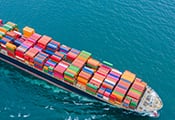
Marine Transportation
Benefits: Shipping goods by sea is one of the most environmentally friendly options, offering high cargo capacity and fuel efficiency.
Considerations: Longer transit times, dependency on ports, and potential challenges with last-mile connectivity.
Sustainable Air Cargo:
Benefits: Utilizing more fuel-efficient aircraft and exploring sustainable aviation fuels can make air transportation more environmentally friendly.
Considerations: High emissions compared to other modes; ongoing efforts to improve fuel efficiency.
Criteria for Selecting Sustainable Transportation Modes
Adopting sustainable transportation is commendable, but its integration into your supply chain should align with various considerations. Here are key criteria to weigh when choosing more sustainable modes of transport:
Distance
For long distances, environmentally friendly options like rail or river transport are generally more efficient. Short distances may favor trucks, especially in areas lacking loading dock infrastructure. Consider a fleet of next-generation vehicles for such scenarios. For very long distances, such as intercontinental shipping, maritime or air transport becomes necessary, with maritime being more efficient but not suitable for all goods.
Type of Goods
The nature of goods impacts transportation speed requirements. Perishable items may necessitate faster options like air transport for long distances. Consider the specific constraints of goods being transported; for instance, shipping eggs has different requirements compared to shipping cars.
Cost
Balancing profitability with sustainability is crucial. While electric trucks may currently cost more than traditional diesel trucks, government subsidies and tax breaks in some regions can offset these costs. Train travel presents an economically favourable alternative, especially for long distances.
Marine Insurance Premium Calculator
New machinery or equipment for industrial use
Iron & steel rods, metal pipes, tubes
Electronic and white goods
All types of FMCG commodities
All kinds of food like oils essence flavours and other various packed items
Automobiles
New machinery machine tools and spares in closed ISO containers
Solar panel
Machinery machine tools spares duly packed/lashed
Stationery items
Timber and wood products
Edible oil in tanker
Aggregators/Transporters
All types of containers
All types of paints duly packed
Auto spare parts
Ceramic products and tiles
Edible vegetables or fruits and nuts or peel of citrus fruits
Granite and marble
Metal hand tools
Metal scrap in ISO container
Metals of all types excluding precious metals
Non hazardous chemicals in bags
Pharmaceuticals and bulk drugs
Rough marble in blocks
Toys, games and sports equipment
Used CPM machines and equipments
Used machinery machine tools and spares in closed ISO container
But, we have offline plans ready.
Connect with our advisor to explore more
Re-calculate
Other Benefits of Sustainable Transport in the Supply Chain:
Improve Company Image
Sustainable transportation not only reduces environmental impact but also serves as a powerful marketing tool. Consumer awareness and preference for environmentally responsible companies are on the rise.
Gain Resilience
Incorporating sustainable transport options enhances the resilience of your supply chain, making it less reliant on fossil fuels.
This proactive approach helps anticipate and withstand potential challenges like oil crises, refinery strikes, armed conflicts, and natural disasters.
Role of Marine/Transit Insurance:
Despite the sustainability benefits, the maritime industry faces inherent risks such as natural disasters, accidents, and cargo damage during transit. This underscores the importance of marine or transit insurance:
Coverage for Loss or Damage: Marine insurance protects businesses against financial losses resulting from damage or loss of goods during transit, whether by sea, air, or land.
Risk Mitigation: By providing coverage for various risks, including theft, accidents, or unforeseen events, marine insurance enables businesses to mitigate financial risks associated with transporting goods.
Global Supply Chain Protection: As businesses engage in international trade, marine insurance becomes crucial for safeguarding goods throughout the complex global supply chain.
Ensuring Business Continuity: Marine insurance ensures that disruptions or losses in transit don't impede business operations, providing a safety net for companies relying on smooth and secure transportation.
Conclusion
The move to sustainable transportation, embracing rail, river, and marine modes, signals a commitment to environmental responsibility, cost efficiency, and positive corporate image. Strategic considerations, such as distance and goods type, guide the selection of eco-friendly options. While marine/transit insurance plays a vital role in risk mitigation and business continuity, the overall approach balances environmental benefits with resilient and responsible business practices.
Disclaimer: Above mentioned insurers are arranged in alphabetical order. Policybazaar.com does not endorse, rate, or recommend any particular insurer or insurance product offered by an insurer.
Marine insurance is essential for protecting goods during...Read more
23 Oct 2024 by Policybazaar4391 Views
Disclaimers+
*Savings of 42% are based on the comparison between the highest and lowest premiums for a Rs 50 lakh sum insured under Inland Transit Clause B or Institute Cargo Clause B for single transit cover of auto spare parts with shipment type of Inland(Domestic) and road as mode of transport. Premium varies on the basis of Occupancy, Business Activity & Coverage Type By clicking on "View Plans" you agree to receive assistance and agree to our Privacy Policy and Terms Of Use and also provide us a formal mandate to represent you to the insurer and communicate to you the grant of a cover. The details of insurance coverage, inclusions and exclusions are subject to change as per solutions offered by insurance providers. The content has been curated based on the general practices in the industry. Policybazaar is not responsible for the factual correctness of these details.
Your call has been scheduled successfully.
Expert advice made easy
Date
Time
When do you want a call back?
Today
Tomorrow
15 Sep
16 Sep
17 Sep
18 Sep
19 Sep
What will be the suitable time?
11:00am - 12:00pm
12:00pm - 01:00pm
01:00pm - 02:00pm
02:00pm - 03:00pm
03:00pm - 04:00pm
04:00pm - 05:00pm
05:00pm - 06:00pm
Tell us the number you want us to call on
Your privacy matters. We wont spam you
Call scheduled successfully!
Our experts will reach out to you on Today between
2:00 PM - 3:00 PM


 We don't spam

















 Expert advice made easy


