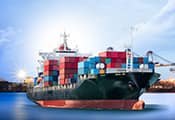





DDP Incoterms: What is Delivered Duty Paid

Importing goods from another country can be a complicated process. It can involve customs, import duties and taxes, as well as making sure that the goods are delivered to you. If you aren’t familiar with how things work in the country you are importing from, it can become very confusing. However, with DDP (Delivered Duty Paid) Incoterms, almost everything will be handled by the seller up until they are delivered to your door.

Read more
₹10 Lakh cover at only ₹591/transit+
Protect your goods with
single transit cover
We don't spam
Check premium now
By clicking on "Check premium now" you agree to receive assistance and agree to our Privacy Policy and Terms Of Use
Continue Journey
By clicking on "Continue Journey" you agree to receive assistance and agree to our Privacy Policy & Terms Of Use
  • Wallet-friendly plans
  • 24/7 claim support
  • IRDAI-certified advisors

We don't spam

We don't spam

Key Takeaways

  • DDP stands for Delivered Duty Paid and can be used for any mode of transportation.
  • The seller bears the costs and risks of transporting goods to the named destination.
  • The seller is responsible for export and import customs clearance, duties and applicable taxes.
  • Risk transfers when the goods are placed at the buyer's disposal, cleared for import and ready for unloading.
  • The buyer generally handles unloading and pays the agreed purchase price.
  • DDP places the highest level of responsibility on the seller among the 11 Incoterms 2020 rules.

What Does DDP Shipping Mean?

DDP (Delivered Duty Paid) is a shipping arrangement in which the seller takes responsibility for delivering goods to an agreed destination and bears the associated costs and risks until delivery is completed. This includes arranging transportation, handling customs formalities and paying applicable duties and taxes, where required.


In International trade, DDP is one of the 11 delivery rules under Incoterms 2020, published by the International Chamber of Commerce (ICC). It places a greater responsibility on the seller than several other shipping terms, including DAP (Delivered at Place) and EXW (Ex Works).


Under DDP, the seller must arrange transportation, complete export and import customs clearance, and pay applicable import duties and taxes. The goods are considered delivered when they have been cleared for import and placed at the buyer's disposal on the arriving means of transport, ready for unloading at the named destination.

How Does a DDP Shipment Work?

Let's look at an example of how a DDP shipment works. Let's say that an Indian retailer wants to purchase some electronic equipment from a supplier in China. The supplier has agreed to deliver the goods directly to the retailer's warehouse using DDP Mumbai Warehouse, India, Incoterms 2020. Here's what happens:

  1. Order preparation: The Chinese supplier prepares the equipment, packaging and commercial documents.
  2. Export formalities: The seller completes the necessary export customs procedures in China.
  3. Transportation: The seller arranges and pays for international transportation and any required transit arrangements.
  4. Import clearance: On arrival in India, the seller is responsible for completing import customs formalities and paying applicable duties and taxes.
  5. Final delivery: The shipment is transported to the agreed Mumbai warehouse after the required clearance.
  6. Handover: Once the goods are placed at the buyer's disposal on the arriving vehicle, ready for unloading, delivery is complete and risk transfers to the buyer.

The retailer does not have to arrange the international freight or manage import clearance under this agreement. However, it must be ready to receive and unload the shipment.

What Is Included in a DDP Shipping Arrangement?

A DDP quotation generally includes the costs and responsibilities that the seller must fulfil to deliver the goods to the agreed destination. These typically cover:

  • Product preparation: Supplying the goods, commercial invoice and required documentation.
  • Export packaging: Preparing and marking the goods for transportation.
  • Export customs clearance: Obtaining applicable licences and completing export formalities.
  • Transportation: Arranging pre-carriage, international freight and delivery to the named destination.
  • Import customs clearance: Completing import procedures in the buyer's country.
  • Import duties and taxes: Paying applicable customs duties, taxes and other charges.
  • Delivery arrangements: Bringing the goods to the agreed location, ready for unloading.

The exact price should be checked against the sales contract. Businesses should clarify which services and charges are included to avoid disagreements over additional expenses.

What Are the Seller's and Buyer's Responsibilities?

DDP places most of the work on the seller, but the buyer still has a few responsibilities.


Seller's responsibilities

  • Supply the goods and provide the commercial invoice and required documents.
  • Arrange suitable packaging and marking.
  • Complete export customs formalities.
  • Arrange and pay for transportation to the named destination.
  • Complete import customs clearance.
  • Pay applicable import duties and taxes.
  • Bear the risk of loss or damage until delivery is completed.
  • Provide the buyer with the documents needed to take delivery.

Buyer's responsibilities

  • Pay the agreed purchase price.
  • Provide relevant information and assistance required for import clearance, where applicable.
  • Take delivery of the goods at the agreed destination.
  • Arrange and pay for unloading.
  • Bear the risk of loss or damage after delivery is completed.

The buyer may also need to assist with information or documentation that only a local importer can provide under the destination country's laws.

Why Can Delivered Duty Paid Be Challenging for Exporters?

Although DDP appears very simple, there can be complications when the seller has not got the correct registrations, licenses and legal rights to import into the buyer's country. There can also be very different requirements for customs, taxes and documentation. If an exporter from overseas is supplying goods to an Indian business, they may run into issues because they are unable to legally carry out the import processes and meet tax and registration requirements.


Before deciding to use DDP, exporters should consider the local customs requirements and whether they will be able to meet the import requirements. The ICC suggests that if you cannot directly or indirectly obtain import clearance, be cautious. DAP may be a more suitable option.

DDP vs DAP: Which One Should You Choose?

DDP and DAP both require the seller to arrange transport to the named destination. The difference comes down to who carries out the import clearance and pays the duties and taxes.

Basis DDP DAP
Full form Delivered Duty Paid Delivered at Place
Transportation to destination Seller Seller
Export clearance Seller Seller
Import clearance Seller Buyer
Import duties and taxes Seller Buyer
Unloading Buyer Buyer
Risk transfer At destination, after import clearance and ready for unloading At destination, ready for unloading

Choose DDP when the seller can manage import clearance and wants to offer a more complete delivery arrangement. DAP may be preferable when the buyer wants to handle customs formalities and import-related expenses independently.

Is Cargo Insured Under DDP?

Although DDP doesn't require the seller to take out Marine Cargo Insurance, they do bear the risk of damage and loss during transportation. It's therefore wise to put in place appropriate transport insurance. The seller should look at the route of the goods, value of the goods, requirements for handling and any risks involved. The buyer might also want to look into extra insurance to cover any risks after delivery, such as during unloading and onward storage/transportation.

When DDP Isn’t the Best Option for Your Business

DDP is a good shipping method for businesses looking to provide a more complete full delivery experience for their buyers. By taking responsibility for transportation, customs and import duties, the seller makes it easier for the customer to import their goods. However, there are extra costs, risks and compliance issues to consider. Exporters should really look into the regulations of the destination country and their capability of handling imports before agreeing to DDP.

Frequently Asked Questions
  • Who pays import duties under DDP?

    The seller is responsible for paying applicable import duties and taxes under DDP terms.
  • Who is responsible for unloading under DDP?

    The buyer is generally responsible for unloading the goods from the arriving vehicle at the agreed destination.
  • When does risk transfer under DDP?

    Risk transfers when the goods are cleared for import and placed at the buyer's disposal on the arriving vehicle, ready for unloading at the named destination.
  • Is DDP suitable for every international shipment?

    DDP can be used for any mode of transport. However, it may not be practical if the seller cannot legally or operationally complete import customs formalities in the buyer's country.
Learn more about Marine Insurance
We don't spam
View plans
By clicking on "" you agree to receive assistance and agree to our Privacy Policy and Terms Of Use
Get quick help
Marine Insurance Articles
When moving to a new home, safeguarding your household articles during transit is crucial. Transit insurance...Read more
27 Oct 2020 by Policybazaar 22428 Views
In the shipping business, different types of losses can happen. Marine insurance helps manage these risks by...Read more
23 Nov 2022 by Policybazaar 16004 Views
Warranties in marine insurance are referred to as assurance of coverage provided by the insurer. It outlines the...Read more
20 Jul 2023 by Policybazaar 11946 Views
Marine insurance and its advantages cannot be ignored if you are in a shipping business or your business needs...Read more
19 Aug 2022 by Policybazaar 14031 Views
Any shipment moving from one country to another requires customs clearance. Apart from international laws and...Read more
22 Nov 2022 by Policybazaar 16406 Views
Marine insurance coverage is divided into two types. One is International Cargo Clause (ICC) and the second is the...Read more
13 Aug 2022 by Policybazaar 16643 Views
The principles of marine insurance are essential for maintaining fairness and consistency in the delivery of...Read more
10 Feb 2020 by Policybazaar 19685 Views
In addition to the basic carrier policy, a Freight insurance policy will provide additional protection for your...Read more
18 Mar 2019 by Policybazaar 29311 Views
Traders who export or import their goods across distant lands are aware of the risks during transit. While there...Read more
23 Feb 2022 by Policybazaar 13954 Views
If your business involves the transportation of finished or unfinished goods or raw materials, you probably need a...Read more
15 Nov 2022 by Policybazaar 12085 Views
In the intricate web of India's transport industry, the movement of goods plays a vital role in driving the...Read more
03 Nov 2023 by Policybazaar 8808 Views
Marine insurance covers various risks faced by shipowners and cargo owners during transit. Whether it is marine...Read more
25 May 2023 by Policybazaar 9518 Views
Incoterms or International commercial terms are some standard terms published by the ICC (International Chamber of...Read more
10 Aug 2023 by Policybazaar 8233 Views
People have been exchanging goods since prehistoric times, with long-route trades dating back to 2000 BCE. Today...Read more
18 Feb 2022 by Policybazaar 11614 Views
Marine insurance and its advantages cannot be ignored if you have a shipping business or your business requires...Read more
17 Aug 2022 by Policybazaar 11545 Views
India's international trade relies on rules that define how...Read more
05 Jan 2026 by Policybazaar 2838 Views
E-commerce exports refer to selling and delivering products or...Read more
26 Sep 2025 by Policybazaar 1992 Views
Anti-Dumping Duty (ADD) is a tariff imposed by governments to...Read more
25 Sep 2025 by Policybazaar 2549 Views
The Merchandise Exports from India Scheme (MEIS) was introduced...Read more
11 Sep 2025 by Policybazaar 2218 Views
India's import-export sector has experienced rapid growth in...Read more
27 Aug 2025 by Policybazaar 7008 Views
In foreign trade, the significance of proper documentation...Read more
09 Jun 2025 by Policybazaar 4356 Views
Export is the sale of goods and services manufactured in a...Read more
30 Apr 2025 by Policybazaar 4778 Views
Shipping containers have evolved over the years. Now, businesses...Read more
25 Apr 2025 by Policybazaar 2634 Views
Selecting the right shipping line is crucial for Indian...Read more
07 Apr 2025 by Policybazaar 2965 Views
RFP, or Request for Proposal in freight forwarding, is a formal...Read more
03 Apr 2025 by Policybazaar 2724 Views
Pallet shipping is a mode of transporting goods using pallets to...Read more
02 Apr 2025 by Policybazaar 2979 Views
‘High Cube containers’ is a category of shipping containers...Read more
02 Apr 2025 by Policybazaar 4741 Views
Expanding your business to international markets can be a...Read more
01 Apr 2025 by Policybazaar 2778 Views
India has largely been an agricultural economy, but has turned...Read more
18 Mar 2025 by Policybazaar 5681 Views
Marine insurance is essential for protecting goods during...Read more
23 Oct 2024 by Policybazaar 4416 Views
  • Disclaimers+

    *Savings of 42% are based on the comparison between the highest and lowest premiums for a Rs 50 lakh sum insured under Inland Transit Clause B or Institute Cargo Clause B for single transit cover of auto spare parts with shipment type of Inland(Domestic) and road as mode of transport. Premium varies on the basis of Occupancy, Business Activity & Coverage Type
    By clicking on "View Plans" you agree to receive assistance and agree to our Privacy Policy and Terms Of Use and also provide us a formal mandate to represent you to the insurer and communicate to you the grant of a cover.
    The details of insurance coverage, inclusions and exclusions are subject to change as per solutions offered by insurance providers. The content has been curated based on the general practices in the industry. Policybazaar is not responsible for the factual correctness of these details.

Your call has been scheduled successfully.

icon Expert advice made easy icon
  • Date
  • Time

When do you want a call back?

  • Today
  • Tomorrow
  • 30 Nov
  • 01 Dec
  • 02 Dec
  • 03 Dec
  • 04 Dec

What will be the suitable time?

  • 11:00am - 12:00pm
  • 12:00pm - 01:00pm
  • 01:00pm - 02:00pm
  • 02:00pm - 03:00pm
  • 03:00pm - 04:00pm
  • 04:00pm - 05:00pm
  • 05:00pm - 06:00pm

Tell us the number you want us to call on

Your privacy matters. We wont spam you

Call scheduled successfully!

Our experts will reach out to you on Today between 2:00 PM - 3:00 PM

Claude
top
Close
Download the Policybazaar app
to manage all your insurance needs.
INSTALL