Offshore vs Onshore Projects: How Insurance Coverage Differs
Not all engineering and infrastructure projects face the same level of risk. Constructing a manufacturing plant on land is very different from installing offshore wind turbines or laying subsea pipelines in open waters. The working environment, equipment, logistics, weather conditions, and project execution methods all influence the type of risks involved. Understanding how coverage differs between onshore and offshore projects helps developers, EPC contractors, and project owners build a more effective risk management strategy.
Thank you for showing your interest in marine-insurance. Our relationship manager will call you to discuss the details and share the best quotes from various insurers. In case you have any query or comments, please contact us at corporateinsurance@policybazaar.com
We don't spam
Home
Key Takeaways
Offshore and onshore projects face different construction and operational risks.
Onshore projects are typically insured under Contractors All Risk (CAR) Insurance.
Offshore projects often require specialised marine and offshore insurance covers.
Selecting the right insurance programme depends on the project's location, scope, and contractual obligations.
What are Onshore Projects?
Onshore projects are construction or engineering works carried out on land. They generally involve easier site access, established transport networks, and comparatively straightforward logistics.
Examples include:
Commercial buildings
Manufacturing plants
Warehouses
Roads and highways
Metro rail projects
Airports
Hospitals
Industrial facilities
Solar power plants
Transmission substations
Although these projects involve significant risks, they usually operate in more accessible environments than offshore developments.
What are Offshore Projects?
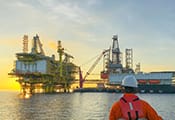
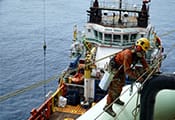
Offshore projects are developed in seas, oceans, or other large water bodies. These projects often involve specialised vessels, subsea equipment, marine construction techniques, and highly skilled personnel.
Examples include:
Offshore wind farms
Offshore oil and gas platforms
Subsea pipelines
Floating production facilities
Offshore substations
Marine cable installation
Offshore renewable energy projects
Working offshore introduces additional environmental, logistical, and operational challenges that are rarely encountered on land.
Offshore vs Onshore Projects: Key Differences
Parameter
Onshore Projects
Offshore Projects
Project location
Land-based
Sea or offshore environment
Accessibility
Easy
Limited and weather-dependent
Construction equipment
Conventional machinery
Marine vessels and specialised equipment
Weather exposure
Moderate
High
Logistics
Standard road and rail transport
Marine transportation and offshore support vessels
Maintenance access
Easier
Complex and costly
Construction costs
Relatively lower
Significantly higher
Why Insurance Requirements Differ
The purpose of insurance remains the same, protecting projects against unexpected losses, but the risks vary considerably.
An onshore project may primarily face risks such as:
Fire
Flood
Storm damage
Theft
Accidental collapse
Third-party liability
An offshore project, however, may also face:
Rough sea conditions
Cyclones
Vessel collisions
Offshore lifting operations
Marine transit risks
Damage during subsea installation
Difficult emergency response
Environmental pollution exposures
Because of these additional risks, offshore insurance programmes are generally more specialised.
The exact combination depends on the project scope and contractual requirements.
Insurance for Offshore Projects
Offshore developments often require multiple insurance policies because of the complexity of marine operations.
These may include:
Offshore Construction All Risk Insurance
Marine Cargo Insurance
Hull and Machinery Insurance
Protection and Indemnity (P&I) Insurance
Delay in Start-Up (DSU) Insurance
Third-Party Liability Insurance
Environmental Liability Cover
The insurance structure is generally more customized due to the higher level of exposure.
Construction Risks: Offshore vs Onshore
Risk
Onshore
Offshore
Fire
High
Moderate
Flood
Moderate
High
Storm
Moderate
Very High
Theft
Moderate
Low
Equipment damage
High
High
Marine transit
Limited
Very High
Vessel collision
Not applicable
High
Environmental pollution
Moderate
High
Emergency response
Easier
More challenging
This comparison highlights why the same insurance policy may not be suitable for both project types.
How Project Delays Affect Coverage
Project delays can occur in both environments, but the reasons often differ.
Onshore Projects
Delays may result from:
Heavy rainfall
Labour shortages
Equipment breakdown
Material shortages
Regulatory approvals
Offshore Projects
Delays are frequently influenced by:
Rough sea conditions
Cyclones
Limited weather windows
Vessel availability
Marine logistics
Offshore lifting restrictions
These differences also influence underwriting and project scheduling.
Challenges Faced by Insurers
From an insurance perspective, offshore projects are generally more difficult to evaluate.
Some key underwriting considerations include:
Remote project locations
High-value equipment
Weather exposure
Availability of replacement components
Emergency evacuation arrangements
Contractor experience
Project duration
Marine operations
These factors often result in more detailed risk assessments before coverage is offered.
Real-Life Example
Consider two renewable energy projects of similar capacity.
The first is a 200 MW solar power plant being built on land. Construction materials and equipment can be transported by road, damaged components are relatively accessible, and repair work can begin quickly after an insured event.
The second is an offshore wind farm located several kilometres from the coastline. Turbines must be transported using specialised vessels; installation depends on favourable sea conditions, and any repair work requires marine equipment and experienced offshore crews.
Although both projects generate renewable energy, the risks involved and, therefore, the insurance requirements are significantly different.
Choosing the Right Insurance Programme
Project owners should consider several factors before deciding on the insurance structure.
These include:
Project location
Construction methodology
Contract value
Marine operations involved
Equipment values
Natural catastrophe exposure
Project duration
Contractual obligations
Lender requirements
A project-specific insurance review helps ensure that the selected cover reflects the actual risk exposure.
Conclusion
While offshore and onshore projects may appear similar from an engineering perspective, their risk profiles differ considerably. Offshore developments operate in more challenging environments, involve specialised equipment, and face greater logistical and weather-related uncertainties. As a result, they typically require a broader and more customized insurance programme.
Onshore projects, on the other hand, are generally protected through Contractors All Risk Insurance along with other supporting covers depending on the project's requirements. Understanding these differences enables project owners, developers, and contractors to select insurance solutions that align with the realities of their construction environment rather than relying on a one-size-fits-all approach.
Disclaimer: Above mentioned insurers are arranged in alphabetical order. Policybazaar.com does not endorse, rate, or recommend any particular insurer or insurance product offered by an insurer.
Marine insurance is essential for protecting goods during...Read more
23 Oct 2024 by Policybazaar4299 Views
Disclaimers+
*Savings of 42% are based on the comparison between the highest and lowest premiums for a Rs 50 lakh sum insured under Inland Transit Clause B or Institute Cargo Clause B for single transit cover of auto spare parts with shipment type of Inland(Domestic) and road as mode of transport. Premium varies on the basis of Occupancy, Business Activity & Coverage Type By clicking on "View Plans" you agree to our Privacy Policy and Terms Of Use and also provide us a formal mandate to represent you to the insurer and communicate to you the grant of a cover. The details of insurance coverage, inclusions and exclusions are subject to change as per solutions offered by insurance providers. The content has been curated based on the general practices in the industry. Policybazaar is not responsible for the factual correctness of these details.
Your call has been scheduled successfully.
Expert advice made easy
Date
Time
When do you want a call back?
Today
Tomorrow
24 Aug
25 Aug
26 Aug
27 Aug
28 Aug
What will be the suitable time?
11:00am - 12:00pm
12:00pm - 01:00pm
01:00pm - 02:00pm
02:00pm - 03:00pm
03:00pm - 04:00pm
04:00pm - 05:00pm
05:00pm - 06:00pm
Tell us the number you want us to call on
Your privacy matters. We wont spam you
Call scheduled successfully!
Our experts will reach out to you on Today between
2:00 PM - 3:00 PM


 We don't spam

















 Expert advice made easy


