 We don't spam

 Expert advice made easy










Download the Policybazaar app
to manage all your insurance needs.
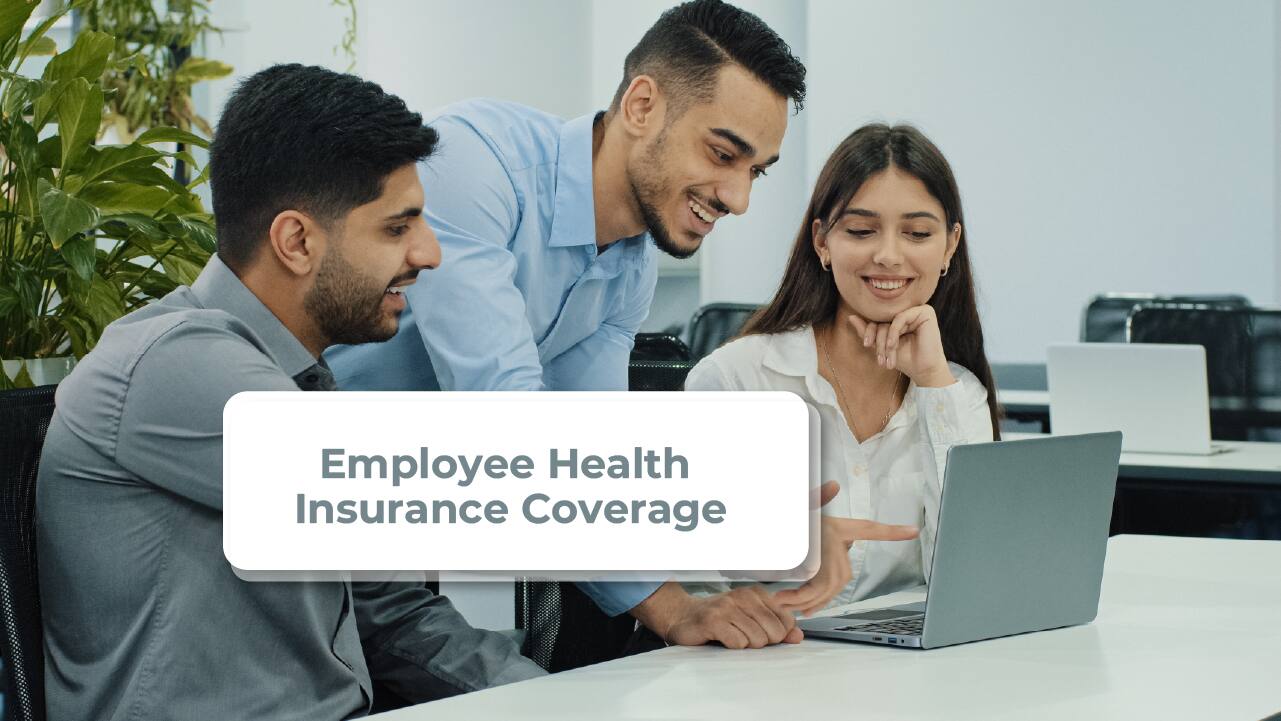
A corporate health insurance policy is an insurance policy that covers medical emergencies, hospitalisation, accidents, and other healthcare-related expenses for employees under a group policy. As healthcare costs rise and employees become more conscious of their wellness needs, many organisations are beginning to offer corporate health insurance as an employee benefit. For employees, it reduces the financial stress of unanticipated medical costs while acting as an employee retention and satisfaction tool for employers.

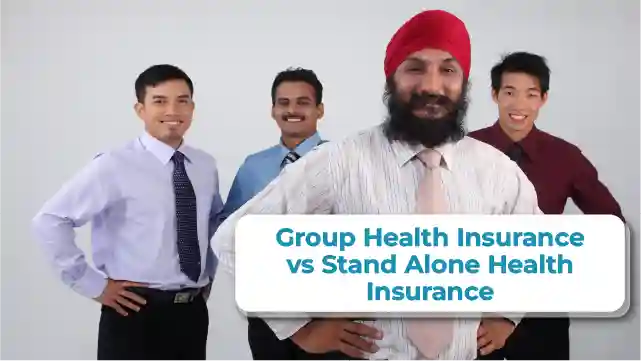
Corporate health insurance, also called group health insurance, is a type of health insurance policy that is bought by an employer for the benefit of their employees. This insurance covers hospitalisation expenses, surgeries, day-care procedures and other treatments that are considered eligible.
Depending on the policy wordings health insurance for corporations also covers the spouse, children and parents of the employee. Corporate health insurance has certain advantages over individual health insurance, such as an easy onboarding process, reduced waiting periods and lower premium amounts.
The benefits covered under corporate health insurance depend on the employer, insurer and the terms of the policy. However, most such policies cover benefits related to hospitalisation and medical procedures, with other benefits being added as per the employer’s specifications. Such benefits can include:
While corporate health insurance may seem like a good deal, it is often less customisable than an individual health insurance plan.
As the employer chooses the plan, or negotiates a plan with the insurer, the employee has limited say in the benefits plan’s customisation, such as the sum insured and add-ons.
The employer picks the insurer and policy, or negotiates its features, and the employees have little control over them.
Coverage typically ceases when the insured loses employment with the organisation, making corporate health insurance an unreliable choice for those living to leave.
An individual health insurance plan offers more flexibility to an individual in terms of customisation and the ability to keep the same plan over a long period with the same insurer.
Spouse, children or parents coverage, if available, depends on the employer’s plan and may have different terms, limits, and premium requirements.
The following table highlights common benefits of a corporate healthcare plan that an employee should look for:
| Benefit | What it Usually Covers |
| Hospitalisation | Room charges, ICU, surgery, doctors, nursing, medicines and diagnostics |
| Cashless Treatment | Direct settlement at participating/network hospitals |
| Pre/Post-Hospitalisation | Eligible medical expenses before admission and after discharge |
| Day-care Procedures | Treatments such as cataract surgery, dialysis and chemotherapy that do not require 24-hour admission |
| Emergency Ambulance | Ambulance expenses, usually subject to a limit |
| Pre-existing Conditions | Often covered from day one in corporate plans, depending on negotiated terms |
| Maternity & Newborn Care | Delivery, C-section and sometimes newborn treatment; usually with specific limits |
| Dependent Coverage | Spouse and children; some employers also cover parents or parents-in-law |
| OPD Care | Doctor consultations, medicines and diagnostic tests outside hospitalisation—usually an optional/enhanced benefit |
| Preventive Care | Annual health check-ups, screenings, vaccinations and wellness programmes |
| Mental Healthcare | Counselling or psychiatric treatment, depending on the plan |
| Dental & Vision | Dental treatment, eye examinations, glasses/contact lenses—more commonly supplemental than core coverage |
For Indian corporate health insurance, hospitalisation, pre/post-hospitalisation and day-care treatment are the norms, whereas maternity, OPD, wellness, dental and vision are mostly the add-ons.
The sum insured is not the only determining factor while assessing a corporate health insurance plan. A ₹10 lakh sum insured corporate health insurance might have certain specified terms and conditions on which a claim can be made. Before availing the policy, employees should cross-check the following:
Corporate health insurance plans can be segregated on the basis of size of the company, employee requirements and extent of coverage.
These are the corporate health insurance plans wherein employees pay a specific percentage of the premium while the employer contributes to the remaining percentage.
Under the non-contributory corporate health insurance plan, the employer bears the entire amount of the premium while employees get coverage for the specified sum insured.
This type of corporate health insurance plan covers the spouse, children and parents of the insured person.
Top-up health insurance plans provide additional coverage over and above the sum insured of a base health insurance plan. It is usually taken to cover expenses beyond the sum insured.
Some corporate health insurance plans also provide critical illness cover, which covers the cost of treatment of life-threatening diseases like cancer, kidney failure, stroke or heart disease.
Some corporate health insurance plans provide wellness and mental health benefits to support the overall well-being of the employees.
A few group health insurance plans also provide maternity benefits like coverage of pregnancy and childbirth, newborn cover and post-hospitalisation expenses.
There are several key factors which affect the cost of a corporate health insurance policy, namely:
There is a significant difference between large and small employee groups. In the former case, the rates are more competitive.
| Feature | Corporate Health Insurance | Regular Health Insurance |
| Policy Holder | Purchased by employer for employees | Purchased individually |
| Premium Payment | Mostly paid by employer | Paid by policyholder |
| Coverage Type | Group coverage | Individual or family coverage |
| Medical Check-up | Usually not required | May be required |
| Waiting Period | Often reduced or waived | Standard waiting periods apply |
| Policy Continuity | Ends when employee leaves company | Continues independently |
| Customisation | Limited customisation options | Higher flexibility |
| Pre-existing Diseases | Often covered from day one | Covered after waiting period |
Corporate health insurance plans are more affordable & accessible, whereas individual health insurance plans are more flexible and scalable.
At a Glance
Corporate health insurance works on the premise of an agreement between the employer and the insurance company. Here is how it usually works:
| Pros | Cons |
| Employer often pays most or all of the premium | Limited customisation |
| Easier onboarding | Employer controls policy terms |
| Often shorter or waived waiting periods | Coverage may end after leaving the organisation |
| Pre-existing conditions may be covered from day one, subject to terms | Dependent coverage may have limits or additional costs |
| Cashless hospitalisation at network hospitals | Less flexibility than an individual policy |
| May include maternity and wellness benefits | Policy may not fully match an employee’s personal healthcare needs |
Conclusion
Corporate health insurance has become an essential employee benefit for modern organisations. It allows employers to take care of their employees' financial health in case of any authorised medical expense. As far as employees are concerned, the main benefit is ease of access. Since they don't have to buy a health insurance plan on their own, it reduces the burden of purchasing a health insurance cover. However, when buying a corporate health insurance plan, it is essential to look beyond the sum insured and consider other factors like room rent limits, co-payment, disease-specific sub-limits, maternity benefits, dependent coverage and network hospitals.
While corporate health insurance may protect employees during their time at the company, its limitations in terms of customisation and continuity make it essential for employees to evaluate their need for additional individual health insurance plans.

Group Health Insurance Premium Calculator
Who do you want to insure?

Minimum lives should be 7
Include maternity coverage
Wellness At Work
Benefits of group health insurance





















Insurance
Calculators
Payment Methods


Secured With

Follow us on


