

 We don't spam

@2x.png)


 Expert advice made easy


Download the Policybazaar app
to manage all your insurance needs.
The importance of fire safety measures required for factory insurance approval in manufacturing facilities cannot be overstated. Beyond protecting lives and property, it minimises business disruptions, ensures regulatory compliance, and safeguards valuable assets.

Manufacturing processes usually involve machinery, explosive materials, and complex systems, increasing the risk of fire incidents. Factors such as welding, electrical operations, and storage of flammable substances increase the chances of fire hazards.
This can lead to severe consequences, including physical damage to machinery, structures, and valuable assets. Beyond the immediate impact, fires can disrupt operations, cause financial losses, and put employees in danger. Hence, it is crucial to deal with these dangers to keep the manufacturing place safe, strong, and running.
Insurance companies conduct thorough inspections and risk assessments of manufacturing facilities before providing fire insurance coverage. This process involves evaluating the physical infrastructure, fire prevention measures, and overall safety protocols in place. The aim is to assess the level of risk associated with insuring the facility against fire incidents. It is done to evaluate the sum insured that the buyer will have to pay to get the coverage during the policy tenure.
Insurance providers require manufacturing facilities to stick to established safety standards and regulations. This involves complying with fire safety codes and guidelines set by local authorities and relevant regulatory bodies. These guidelines will include keeping the workplace clean, storing materials safely, having clear escape routes, etc.
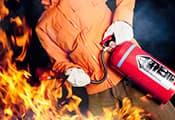
Additionally, installing fire extinguishers, alarms, and sprinkler systems can help prevent fires or minimise their impact. Regular maintenance of these systems should be done so that they work when needed most.
In order to qualify for fire insurance, companies must show that their facility meets the above-mentioned standards.
Company A is a manufacturing facility that prioritises fire safety. They invest in state-of-the-art fire detection systems, conduct regular fire drills, and have trained staff for immediate response. The facility is equipped with modern fire suppression equipment, and all employees are well-versed in emergency evacuation procedures.
One day, a small electrical fire erupts in a storage area. Company A has an advanced fire detection system. Hence, the incident was identified quickly. Employees efficiently use fire extinguishers to suppress the flames, and the fire is contained without significant damage. The company, covered by comprehensive fire insurance, receives quick reimbursement for the minor damages incurred during the incident.
Note: If the company had not taken safety measures seriously, the insurance company would not have issued the Fire insurance policy to them.
Focusing on fire safety is more than just following rules; it's like making a smart investment in keeping a factory strong and running for a long time. When businesses give importance to safety, they shield themselves from possible disasters and show they care about making a safe and successful workplace.




Insurance
Calculators
Payment Methods


Secured With

Follow us on


