Statutory Fire Safety Framework and Mandatory Compliance Requirements
1. Legal Foundation of Fire Safety Compliance
Fire safety obligations typically arise from:
- State-level fire prevention and life safety legislation
- Building codes and development control regulations
- National Building Code (NBC) guidelines (widely adopted by authorities)
- Occupational safety and health laws governing factories and industrial premises
- Electricity safety regulations
- Environmental and hazardous material handling rules
Most commercial and industrial buildings are required to:
- Obtain Fire No-Objection Certificates (Fire NOC)
- Install prescribed fire protection systems
- Maintain access for firefighting operations
- Conduct periodic inspections and renewals
Failure to comply may attract penalties, but more importantly, it can materially affect insurance coverage.
2. Key Fire Safety Requirements for Industrial and Commercial Premises
While requirements vary by occupancy type, the following measures are commonly mandated:
A. Fire Detection and Alarm Systems
- Automatic fire detection systems in high-risk occupancies
- Manual call points and alarm panels
- Audible and visible alarm systems
B. Fire Suppression Systems
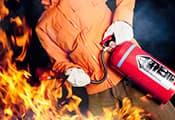
- Portable fire extinguishers (as per hazard classification)
- Hydrant systems
- Sprinkler systems in large or high-risk buildings
- Special suppression systems for electrical rooms, server rooms, or flammable storage
C. Means of Escape
- Clearly marked exit routes
- Emergency lighting
- Unobstructed staircases
- Fire-rated doors and compartments
D. Electrical Safety
- Periodic electrical inspection reports
- Load management and panel maintenance
- Proper earthing and circuit protection
E. Hazardous Material Controls
- Segregated storage
- Spill containment
- Ventilation systems
These are not just regulatory obligations, they are underwriting determinants in fire insurance.
3. Role of the National Building Code (NBC)
The National Building Code provides:
- Fire resistance standards for construction materials
- Guidelines on fire zoning and compartmentation
- Requirements for fire detection and suppression
- Specifications for exit width, travel distance, and staircases
Although implementation is governed locally, insurers often rely on NBC standards while assessing:
- Construction class (combustible vs non-combustible)
- Occupancy hazard category
- Fire load
- Exposure to adjacent risks
Deviation from NBC norms can increase underwriting scrutiny.
4. Fire Insurance Under Regulatory Oversight
Fire insurance policies are governed by standardized policy wordings approved by the national insurance regulator.
Key characteristics include:
- Defined insured perils (including fire, lightning, explosion)
- Specified exclusions
- Conditions related to risk maintenance
- Warranties and safety compliance obligations
Under these frameworks, policyholders must:
- Disclose material facts at proposal stage
- Maintain reasonable care of insured property
- Comply with statutory regulations
Non-disclosure or regulatory violations can be treated as breach of policy conditions.
5. How Legal Compliance Affects Fire Insurance
Fire insurance underwriting is risk-based. Insurers evaluate:
- Nature of occupancy
- Type of construction
- Fire protection systems
- Past loss history
- Electrical load and maintenance
- Storage practices
Failure to comply with statutory fire norms may lead to:
- Higher premiums
- Special conditions imposed
- Reduced coverage limits
- Deductible increases
- Claim complications
Insurance does not replace compliance. It supports residual risk after risk mitigation.
6. Risk Exposure vs Mitigation vs Insurance Impact
|
Risk Exposure
|
Required Legal Mitigation
|
Insurance Impact if Compliant
|
Insurance Impact if Non-Compliant
|
|
Overloaded electrical systems
|
Periodic inspection & certified maintenance
|
Favorable underwriting assessment
|
Higher premium or policy conditions
|
|
Absence of sprinkler system in high-risk occupancy
|
Installation as per fire authority norms
|
Reduced fire spread risk
|
Claim scrutiny for aggravated loss
|
|
Blocked emergency exits
|
Maintain unobstructed exits
|
Reduced liability exposure
|
Possible breach of reasonable care condition
|
|
Improper storage of flammable goods
|
Segregation & ventilation compliance
|
Lower probability of major loss
|
Risk of claim disputes
|
|
Expired Fire NOC
|
Timely renewal
|
Smooth claim documentation
|
Insurer may examine regulatory breach
|
This alignment between safety and insurability is critical for industrial operations.
7. Material Disclosure: A Legal and Insurance Obligation
At the time of purchasing fire insurance, the proposer must disclose all material facts, including:
- Type of goods stored
- Manufacturing processes
- Use of hazardous chemicals
- Fire protection systems installed
- Past fire incidents
Material non-disclosure can result in:
- Policy cancellation
- Claim repudiation
- Proportionate settlement adjustments
Accurate disclosure strengthens claim defensibility.
8. Standard Fire Policy Conditions Relevant to Compliance
Under regulator-approved policy structures, common conditions include:
A. Reasonable Care Clause
The insured must take reasonable steps to safeguard property.
B. Alteration of Risk Clause
Material changes (e.g., new machinery, process change) must be disclosed.
C. Warranty Conditions
Some policies include warranties requiring:
- Functional sprinkler systems
- 24-hour security
- Fire extinguishers in working condition
Breach of warranty may affect claims.
9. Fire Load and Occupancy Classification
Fire load refers to the amount of combustible material in a building.
Occupancies are generally categorized into:
- Low hazard
- Moderate hazard
- High hazard
- Special hazard
Higher hazard classification means:
- Higher regulatory safeguards
- Stronger fire suppression requirements
- Greater underwriting attention
- Higher base premium rates
Accurate classification is critical for compliance and insurance adequacy.
10. Inspection and Risk Surveys by Insurers
Before issuing or renewing a policy, insurers may conduct:
- Physical risk inspections
- Electrical thermography reports
- Fire protection system verification
- Storage pattern review
Survey reports influence:
- Premium rates
- Policy terms
- Risk improvement recommendations
Implementing survey recommendations can significantly reduce long-term insurance costs.
11. Claims Scenario: Why Compliance Matters
In the event of a fire:
- The cause of the fire is investigated.
- Fire authority reports are examined.
- Electrical inspection records are reviewed.
- Fire system maintenance logs are checked.
- Regulatory compliance status may be verified.
If the loss is aggravated due to:
- Non-functional suppression systems
- Unauthorized structural changes
- Statutory violations
The insurer may examine policy conditions before settlement.
This does not automatically mean rejection, but it increases scrutiny.
12. Responsibilities of Key Stakeholders
Risk Managers
- Align legal compliance with insurance requirements
- Maintain documentation for audits and claims
Factory Owners
- Ensure structural and system compliance
- Budget for periodic upgrades
Compliance Heads
- Track Fire NOC validity
- Coordinate inspections
Safety Officers
- Conduct drills
- Maintain equipment logs
- Train staff
Industrial Operations Leaders
- Avoid production practices that increase unreported risk
Fire safety must be integrated into operational governance, not treated as a one-time certification.
13. Best Practices to Strengthen Insurability
- Conduct annual third-party fire audits
- Digitize maintenance logs
- Install automatic suppression in high-value zones
- Perform periodic electrical thermography
- Disclose process changes to insurer promptly
- Review sum insured adequacy annually
These steps align legal compliance with underwriting expectations.
14. Documentation Checklist for Insurance Alignment
Keep the following readily accessible:
- Valid Fire NOC
- Electrical inspection certificate
- Fire system maintenance records
- Layout plans
- Hazardous material storage declaration
- Incident registers
- Previous claim documents
Strong documentation reduces friction during claims.
15. Strategic View: Compliance as a Risk Financing Tool
Fire safety norms are not merely regulatory hurdles. They serve three strategic purposes:
- Protect life and property
- Reduce operational downtime
- Strengthen insurance recoverability
Insurers price risk based on probability and severity. Regulatory compliance reduces both.
For industrial and commercial establishments, the most cost-effective fire insurance policy is one supported by strong statutory compliance.
Conclusion
Fire safety norms under law and fire insurance principles operate in parallel, but they intersect during underwriting and claims.
For risk managers and factory owners, the key takeaway is simple:
Compliance protects insurability.
Maintaining statutory fire safety standards, accurate disclosure, and proper documentation ensures that when a fire loss occurs, the insurance mechanism functions as intended, efficiently, fairly, and within the regulator-governed framework.
Fire insurance is a financial safeguard.
Legal fire compliance is the operational foundation that makes that safeguard effective.


 We don't spam










 Expert advice made easy


