Why Fire Safety Compliance Is Critical for Hotels
Hotels combine accommodation, kitchens, electrical systems, laundry operations, and sometimes recreational facilities. Each of these components introduces potential fire hazards.
From a fire insurance perspective, hotels are considered moderate-to-high risk properties because:
- Buildings operate continuously with high occupant turnover
- Guests may be unfamiliar with escape routes
- Kitchens, boilers, and electrical systems operate intensively
- Combustible materials such as furniture, bedding, and décor are present in large quantities
Failure to maintain fire safety standards can increase the likelihood of fire incidents and may affect claim assessments if safety systems were not maintained as required under policy conditions.
Common Fire Risks in Hotel Operations
Understanding potential fire sources helps hotel management design effective prevention systems.
1. Kitchen and Cooking Equipment
Commercial kitchens operate high-temperature appliances such as ovens, grills, and fryers.
Key risks include:
- Grease accumulation in ducts and exhaust systems
- Open flames and cooking oils
- Poorly maintained gas lines
Regular cleaning of kitchen exhaust systems and installation of automatic suppression systems significantly reduce fire risks.
2. Electrical Systems
Hotels rely heavily on electrical infrastructure to power lighting, elevators, HVAC systems, and guest amenities.
Typical hazards include:
- Overloaded circuits
- Aging wiring systems
- Improper use of extension cords
- Faulty appliances in guest rooms
Periodic electrical inspections are commonly required as part of risk management practices and insurance compliance.
3. Laundry Operations
Hotel laundries handle large volumes of linens and operate dryers continuously.
Fire hazards include:
- Lint accumulation in dryers
- Overheating machines
- Improper storage of cleaning chemicals
Regular cleaning of lint filters and maintenance of machines reduces ignition risks.
4. Generator and Power Backup Systems
Backup generators operate during power interruptions and involve diesel fuel storage.
Key safety considerations include:
- Proper ventilation in generator rooms
- Safe fuel storage
- Electrical isolation systems
These systems must be installed according to recognized electrical safety standards.
Essential Fire Protection Systems for Hotels
Fire insurance underwriters typically evaluate whether the property is equipped with adequate fire protection systems.
Fire Detection Systems
Early detection significantly reduces fire damage.
Common detection systems include:
- Smoke detectors in guest rooms and corridors
- Heat detectors in kitchens and service areas
- Centralized fire alarm panels
Automatic alarm systems help ensure immediate response by hotel staff.
Fire Suppression Systems
Suppression systems are designed to control fires before they spread.
Examples include:
- Automatic sprinkler systems
- Kitchen hood suppression systems
- Portable fire extinguishers
Sprinkler systems are widely recognized as one of the most effective fire loss mitigation measures.
Fire Extinguishers
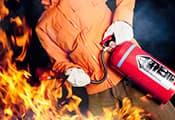
Portable fire extinguishers allow trained staff to respond quickly to small fires.
Proper placement typically includes:
- Guest corridors
- Kitchen areas
- Electrical rooms
- Generator rooms
Staff should be trained in extinguisher use and periodic inspection should be documented.
Structural Fire Safety Requirements
Building design plays a crucial role in fire containment and safe evacuation.
Important structural safety features include:
- Fire-resistant building materials
- Fire-rated walls and doors
- Protected staircases
- Fire compartmentation
Compartmentation slows fire spread and provides valuable evacuation time for occupants.
Emergency Evacuation Planning
Hotels must maintain clear evacuation procedures because guests may be unfamiliar with building layouts.
Essential evacuation measures include:
- Clearly marked emergency exits
- Illuminated exit signage
- Evacuation maps in guest rooms
- Assembly points outside the building
Regular evacuation drills help ensure that staff understand their roles during emergencies.
Maintenance and Inspection Requirements
Fire protection systems are effective only when properly maintained.
Hotels should establish a structured maintenance program that includes:
- Periodic testing of fire alarms
- Inspection of sprinkler systems
- Servicing of fire extinguishers
- Electrical safety audits
- Generator system inspections
Maintenance records are often reviewed during insurance risk inspections.
Fire Safety Compliance Documentation
Proper documentation supports regulatory compliance and insurance risk assessments.
Hotels typically maintain records such as:
- Fire safety system maintenance logs
- Fire drill reports
- Electrical inspection certificates
- Fire safety audit reports
- Equipment servicing records
Maintaining these records demonstrates that safety systems are functional and actively managed.
Fire Safety Responsibilities of Hotel Management
Fire safety is a shared responsibility between hotel management, safety officers, and operational staff.
Management responsibilities usually include:
- Implementing fire safety policies
- Ensuring safety equipment is installed and maintained
- Conducting staff training programs
- Coordinating with local emergency response agencies
Safety officers play a key role in monitoring compliance and identifying risk improvements.
Key Fire Safety Measures and Their Insurance Importance
The table below summarizes essential fire safety measures in hotels and their relevance from an insurance risk management perspective.
|
Fire Safety Measure
|
Purpose
|
Insurance Risk Impact
|
|
Fire detection systems
|
Early identification of fire incidents
|
Reduces severity of property damage
|
|
Automatic sprinkler systems
|
Immediate fire suppression
|
Helps limit fire spread and loss size
|
|
Fire extinguishers
|
First response to small fires
|
Improves incident control capability
|
|
Fire compartmentation
|
Prevents fire spread between areas
|
Protects high-value assets
|
|
Emergency evacuation systems
|
Safe occupant evacuation
|
Reduces life safety risk
|
|
Electrical inspections
|
Identifies wiring hazards
|
Reduces ignition probability
|
|
Staff fire training
|
Ensures effective emergency response
|
Improves overall risk profile
|
Insurance underwriters often evaluate these controls while assessing property risk exposure.
Staff Training and Fire Safety Awareness
Employees play an important role in early fire response and evacuation coordination.
Training programs typically cover:
- Identification of fire hazards
- Use of fire extinguishers
- Alarm activation procedures
- Guest evacuation assistance
Regular refresher training ensures staff remain prepared to respond effectively during emergencies.
Risk Assessment and Continuous Improvement
Fire risk management is an ongoing process.
Hotels should conduct periodic fire risk assessments to identify new hazards arising from operational changes such as:
- Renovations or expansions
- Installation of new electrical equipment
- Changes in kitchen operations
- Increased occupancy levels
Risk assessments help ensure that fire protection measures remain adequate for evolving operational conditions.
Role of Fire Insurance in Hotel Risk Management
Fire insurance plays a key role in protecting hotels against financial losses arising from fire incidents.
Typical coverage under standard fire insurance policies may include:
- Damage to building structures
- Loss of furniture and fixtures
- Damage to equipment and installations
However, insurance coverage operates alongside risk management practices. Hotels are generally expected to maintain reasonable fire safety standards and comply with policy conditions relating to maintenance and safety systems.
Conclusion
Fire safety in hotels requires a structured approach that integrates prevention, detection, suppression, evacuation planning, and regular maintenance. For risk managers, safety officers, and insurance policyholders, maintaining these measures not only protects lives and property but also supports compliance with fire insurance policy conditions.
By implementing robust fire protection systems, conducting regular inspections, and ensuring staff preparedness, hotel operators can significantly reduce fire risks and strengthen their overall risk management framework.


 We don't spam








 Expert advice made easy


