Why Fire Safety Matters for Small Commercial Shops
Small shops frequently store combustible materials such as cardboard packaging, textiles, plastics, and chemicals. Combined with electrical equipment and customer traffic, these factors can increase the probability of fire incidents.
Even a small fire can result in:
- Property damage
- Inventory loss
- Business interruption
- Liability exposure
- Insurance claim complications
Insurers typically evaluate fire risk based on building conditions, electrical safety, storage practices, and fire protection systems. Shops that follow proper safety standards often demonstrate stronger risk management practices.
Common Fire Hazards in Small Shops
Understanding the sources of fire risk is the first step toward improving safety.
Electrical Overload
Small retail outlets frequently rely on multiple electrical devices such as:
- Refrigerators
- Lighting systems
- Billing machines
- Display screens
- Charging equipment
Improper wiring or overloaded circuits can lead to overheating and electrical fires.
Combustible Storage
Packaging materials such as:
- Cardboard cartons
- Plastic wrapping
- Fabric goods
- Paper records
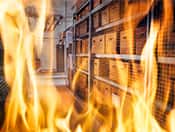
can fuel rapid fire spread if not stored properly.
Cooking or Heating Equipment
Some small shops use:
- Electric heaters
- Coffee machines
- Small cooking appliances
These can pose fire risks when placed near combustible materials.
Poor Housekeeping
Cluttered storage areas, blocked exits, and dust accumulation increase the potential severity of fire incidents.
Fire Safety Measures Every Small Shop Should Implement
Improving fire safety does not always require expensive equipment. Many effective measures involve proper planning and maintenance.
Install Basic Fire Protection Equipment
Every shop should maintain essential fire safety tools such as:
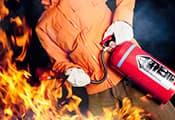
- Portable fire extinguishers
- Smoke detectors
- Fire alarm systems
- Emergency lighting
Extinguishers should be appropriate for the likely fire class (electrical, combustible materials, or flammable liquids).
Maintain Clear Exit Routes
Emergency evacuation must be possible at all times.
Important practices include:
- Keeping exits unobstructed
- Clearly marking escape routes
- Avoiding storage near doorways
- Installing visible exit signage
Blocked exits are a common issue identified during safety inspections.
Conduct Electrical Safety Checks
Electrical systems should be periodically inspected.
Recommended actions include:
- Checking wiring for wear or damage
- Avoiding overuse of extension cords
- Ensuring circuit breakers function properly
- Using certified electrical installations
Many fire incidents originate from faulty electrical connections.
Safe Storage of Combustible Materials
Combustible materials should be stored safely to reduce ignition risk.
Good practices include:
- Keeping packaging materials away from electrical panels
- Maintaining separation between heat sources and flammable items
- Storing chemicals in approved containers
- Avoiding excessive stock accumulation
These practices reduce both ignition risk and fire spread.
Basic Fire Safety Equipment for Small Shops
The following table outlines commonly recommended safety equipment and their purpose.
|
Equipment
|
Primary Function
|
Importance for Fire Risk Management
|
|
Fire Extinguishers
|
Suppress small fires
|
First response to contain fires
|
|
Smoke Detectors
|
Detect early signs of fire
|
Provide early warning for evacuation
|
|
Fire Alarms
|
Alert occupants
|
Initiate emergency response
|
|
Emergency Lighting
|
Illuminate exit paths
|
Supports safe evacuation during power failure
|
|
Electrical Circuit Breakers
|
Prevent overload
|
Reduce electrical fire risk
|
Routine inspection and maintenance of this equipment is essential to ensure functionality during emergencies.
Staff Awareness and Training
Even in small retail environments, employee awareness plays a crucial role in fire prevention.
Key training areas include:
- How to use fire extinguishers
- Identifying fire hazards
- Emergency evacuation procedures
- Reporting electrical faults or unsafe conditions
Simple training sessions can significantly improve emergency response capability.
Safety officers and compliance teams should ensure that all staff understand basic fire response procedures.
Fire Safety Documentation and Compliance
Maintaining documented safety practices is important for both regulatory compliance and insurance purposes.
Documentation may include:
- Fire risk assessment reports
- Electrical inspection records
- Fire extinguisher maintenance logs
- Evacuation plans
- Safety training records
Insurers often review these records during risk assessments or policy renewals.
Well-maintained documentation demonstrates that the shop actively manages operational risks.
Housekeeping and Layout Planning
Shop layout and housekeeping directly affect fire risk levels.
Recommended Layout Practices
- Maintain clear aisles between displays
- Avoid stacking goods near electrical panels
- Ensure fire extinguishers remain accessible
- Avoid blocking ventilation openings
Cleanliness and Waste Management
Accumulated waste materials can increase fire load.
Regular practices should include:
- Daily removal of waste packaging
- Safe disposal of flammable materials
- Avoiding storage of unnecessary combustible items
Proper housekeeping is one of the most effective ways to reduce fire severity.
Role of Fire Insurance in Risk Management
Fire insurance is designed to provide financial protection against losses caused by fire and certain allied perils, subject to policy terms and conditions.
Typical areas of coverage may include:
- Building structures
- Shop interiors and fixtures
- Inventory and stock
- Machinery and equipment
However, policyholders are generally expected to maintain reasonable safety standards to minimize risk exposure.
Failure to follow basic safety practices may affect underwriting evaluations or claims assessments.
Risk managers and shop owners should review policy documentation carefully to understand coverage scope, exclusions, and compliance expectations.
Conducting Periodic Fire Risk Assessments
A fire risk assessment helps identify hazards before incidents occur.
Key assessment areas include:
- Electrical infrastructure
- Storage practices
- Fire protection systems
- Emergency access and exits
- Staff awareness
Risk assessments should ideally be conducted:
- When opening a new shop
- After major layout changes
- During periodic safety reviews
Safety officers and operations leaders often use these assessments to prioritize improvements.
Emergency Preparedness Planning
Preparedness ensures that staff can respond quickly during an incident.
A basic emergency plan should include:
- Evacuation routes
- Fire emergency contact numbers
- Responsibilities of staff during evacuation
- Location of fire safety equipment
Periodic drills can help employees understand how to respond calmly during emergencies.
Even small shops benefit from clear and simple response plans.
Conclusion
Fire safety in small shops requires a combination of prevention, preparedness, and compliance. Electrical safety, proper storage practices, fire detection systems, and staff awareness form the foundation of effective risk management.
For shop owners, risk managers, and compliance leaders, implementing structured fire safety practices helps reduce operational risk and supports responsible fire insurance coverage.
Regular inspections, documented safety procedures, and employee training collectively improve resilience against fire incidents while promoting safer commercial environments.
By treating fire safety as a continuous operational priority rather than a one-time requirement, small shops can significantly reduce potential losses and maintain safer workplaces.


 We don't spam







 Expert advice made easy


