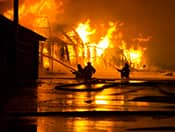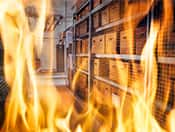



How Poor Maintenance Leads to Industrial Accidents

Industrial facilities operate in high-risk environments where machinery, electrical systems, storage areas, and production processes interact continuously. Poor maintenance does not merely reduce efficiency, it significantly increases the likelihood of fires, explosions, equipment breakdown, and insurance claim complications. For risk managers, factory owners, compliance heads, and fire insurance policyholders, understanding the direct connection between maintenance standards and fire insurance outcomes is essential. Under regulatory frameworks aligned with IRDAI-governed insurance principles, maintaining reasonable care of insured property is not optional, it is a fundamental policy obligation.

Read more
Back
₹50 Lakh cover starts at ₹283/month+
Protect your business from
burglary
  • Commercial
  • Home
We don't spam
View plans
By clicking on "View plans" you agree to receive assistance and agree to our Privacy Policy and Terms Of Use
Continue
  • Wallet-friendly plans
  • 24/7 claim support
  • IRDAI-certified advisors

Property Type
We don't spam

Property Type
We don't spam

Why Maintenance Is a Fire Insurance Obligation 

Fire insurance policies operate on the principle of “reasonable care.” Policyholders must maintain insured property in sound condition and take steps to prevent foreseeable loss. Negligent maintenance, such as ignoring faulty wiring or bypassing safety systems, can increase fire probability and may affect claim admissibility. Insurers assess maintenance practices during underwriting, renewal, and claims investigation. Proper upkeep is therefore both a safety requirement and an insurance compliance necessity.


Understanding the Link Between Poor Maintenance and Industrial Accidents

Industrial accidents often originate from gradual deterioration rather than sudden events. The most common triggers include:

  • Overheated electrical systems
  • Friction in unlubricated machinery
  • Leakage of flammable materials
  • Dust accumulation in confined spaces
  • Disabled or non-functional fire protection systems

In fire insurance terms, these are classified as preventable loss aggravators, conditions that increase risk exposure beyond normal operational parameters.


Common Maintenance Failures That Lead to Fires

1. Electrical System Neglect

Electrical faults remain one of the leading causes of industrial fires.


Typical maintenance gaps include:

  • Loose electrical connections
  • Overloaded circuits
  • Aging insulation
  • Improper earthing
  • Lack of thermographic inspection

Consequences:

  • Short circuits
  • Arc flashes
  • Panel fires
  • Equipment burnout

From an insurance standpoint, failure to maintain electrical systems may be examined under “reasonable precautions” clauses in standard fire policies.

  1. Poor Machinery Upkeep

Industrial machinery generates heat and friction. Without scheduled maintenance:

  • Bearings seize
  • Lubrication fails
  • Components overheat
  • Sparks may be generated

In facilities handling combustible materials, even minor sparks can escalate into major fire incidents.


Insurers typically expect:

  • Documented preventive maintenance schedules
  • Manufacturer-recommended servicing
  • Maintenance logs

Absence of documentation can complicate claim assessments.

  1. Accumulation of Combustible Dust

Manufacturing units in sectors such as textiles, food processing, chemicals, and woodworking face dust-related fire risks.


Poor housekeeping can result in:

  • Dust layering on beams and ducts
  • Blocked ventilation
  • Ignition from static electricity

Dust explosions are often linked to inadequate cleaning protocols and ventilation maintenance. From a fire insurance perspective, poor housekeeping may be viewed as a failure to mitigate known hazards.

  1. Storage System Deterioration

Improperly maintained storage systems increase fire load.


Maintenance failures include:

  • Damaged chemical storage containers
  • Leaking drums
  • Corroded pipelines
  • Blocked drainage systems

These conditions increase ignition probability and accelerate fire spread.


Fire insurance underwriting evaluates:

  • Storage layout
  • Segregation of flammables
  • Ventilation adequacy
  • Structural integrity

Neglect directly increases risk rating.

  1. Fire Protection System Failure

Perhaps the most critical maintenance lapse is non-functional fire protection systems.


Common issues:

  • Expired fire extinguishers
  • Non-operational hydrants
  • Blocked sprinkler heads
  • Inactive fire alarms
  • Diesel pump failure due to poor testing

Insurance policies generally require:

  • Functional fire protection systems
  • Periodic inspection and testing
  • Compliance with fire safety certifications

If fire protection systems were non-operational at the time of loss, insurers may investigate compliance with policy conditions.


Regulatory and Insurance Compliance Perspective

Fire insurance policies issued under IRDAI-governed frameworks operate under standardized principles such as:

  • Utmost good faith
  • Insurable interest
  • Indemnity
  • Reasonable care
  • Disclosure of material facts

Failure to disclose poor maintenance conditions at proposal or renewal stage can be treated as non-disclosure of material facts.


Similarly, willful disabling of safety systems may affect claim evaluation.


It is important to note:

  • Claims are assessed on facts and documentation.
  • Each case is evaluated based on policy wording and loss investigation findings.
  • Maintenance negligence does not automatically mean claim denial, but it increases scrutiny.

Risk Exposure vs Mitigation vs Insurance Impact

Risk Exposure Due to Poor Maintenance Preventive Mitigation Action Insurance Impact
Electrical overheating Periodic thermography & load audits Demonstrates reasonable care
Machinery friction sparks Scheduled lubrication & servicing Reduces probability of loss
Combustible dust buildup Routine housekeeping audits Improves risk grading
Corroded storage tanks Integrity testing & replacement Limits fire load severity
Non-functional sprinklers Quarterly inspection & testing Supports claim defensibility
Blocked fire exits Monthly compliance checks Reduces liability exposure

This structured alignment helps risk managers integrate safety and insurance strategy.


How Poor Maintenance Affects Fire Insurance Claims

During a fire claim investigation, insurers typically assess:

  • Cause of fire
  • Condition of insured property
  • Compliance with policy warranties
  • Fire protection system functionality
  • Maintenance documentation

Key claim complications that may arise:

  • Delay due to forensic investigation
  • Queries regarding inspection records
  • Assessment of contributory negligence
  • Review of safety audit reports

Well-documented preventive maintenance significantly strengthens claim defensibility.


Financial Impact Beyond Insurance

Poor maintenance has consequences that extend beyond insured loss:

  • Production downtime
  • Regulatory penalties
  • Contractual liability
  • Reputational damage
  • Increased future premium rates

Repeated loss history can lead to:

  • Higher deductibles
  • Stricter policy terms
  • Additional risk inspections
  • Reduced underwriting flexibility

Insurance is designed to indemnify fortuitous loss, not operational negligence.


Maintenance as a Risk Management Strategy

For industrial leaders, maintenance should be viewed as:

  • A fire prevention tool
  • A compliance requirement
  • An underwriting advantage
  • A cost control mechanism

Best practices include:

  • Digitized maintenance logs
  • Internal audit systems
  • Third-party electrical inspections
  • Annual fire system certification
  • Management-level safety reviews

Integration of maintenance data with risk registers improves enterprise risk management (ERM) frameworks.


Role of Safety Officers and Compliance Heads

Safety and compliance teams play a critical role in:

  • Enforcing maintenance schedules
  • Monitoring hazard identification
  • Coordinating with insurers during inspections
  • Ensuring adherence to fire safety norms

Regular internal reporting should include:

  • Maintenance backlog metrics
  • Fire drill performance
  • System downtime reports
  • Incident near-miss analysis

These records demonstrate active risk control.

Building an Insurance-Ready Maintenance Framework

An insurance-aligned maintenance program should include:


1. Preventive Maintenance Calendar

Clearly defined servicing intervals.


2. Documentation System

Digitally stored inspection and servicing records.


3. Accountability Matrix

Defined responsibility for safety-critical systems.


4. Escalation Protocol

Immediate action for high-risk findings.


5. Annual Risk Review with Insurer

Transparent disclosure improves underwriting confidence.

Strategic Recommendations for Industrial Leaders

To reduce industrial accident risk and protect fire insurance coverage:

  • Conduct periodic electrical health audits.
  • Implement strict housekeeping standards.
  • Ensure functional fire protection systems at all times.
  • Maintain detailed servicing documentation.
  • Avoid temporary safety bypasses during production pressure.
  • Perform mock loss scenario reviews.

Preventive maintenance costs are significantly lower than post-loss reconstruction expenses.

Conclusion


Poor maintenance is not merely an operational oversight, it is a measurable fire risk multiplier. For factories and industrial units, the consequences extend from physical damage to insurance complications and regulatory exposure.


Under IRDAI-aligned fire insurance frameworks, policyholders are expected to exercise reasonable care in maintaining insured property. While insurance provides financial protection against unforeseen events, it does not substitute disciplined risk management.


For risk managers, compliance heads, safety officers, and factory owners, the message is clear: maintenance is not a cost center, it is a strategic defense mechanism that safeguards assets, protects insurance coverage, and ensures business continuity.


Industrial resilience begins with preventive upkeep.
Explore Fire Insurance

Fire Insurance News

Arpora, Goa: The tragic fire at a nightclub in Goa has claimed...Read more
09 Dec 2025 by Policybazaar 1382 Views
A large fire broke out on Monday night at a storage facility...Read more
22 Apr 2025 by Policybazaar 1719 Views
A massive fire broke out in an industrial area of Greater...Read more
03 Apr 2025 by Policybazaar 2435 Views
Faridabad: A major fire caused extensive damage to a liquor...Read more
25 Oct 2024 by Policybazaar 1966 Views
Fire Insurance Articles
A fire extinguisher is a first-response safety tool used to...Read more
27 Nov 2025 by Policybazaar 1526 Views
Fire extinguishers are special devices used to control or put...Read more
04 Sep 2025 by Policybazaar 2181 Views
Parametric insurance provides a pre-agreed payout when a...Read more
28 Apr 2025 by Policybazaar 4342 Views
A fire alarm system is a group of devices integral to the fire...Read more
02 Apr 2025 by Policybazaar 2967 Views
The catastrophic LA Fires are a stark reminder of businesses'...Read more
06 Feb 2025 by Policybazaar 2264 Views
The catastrophic LA Fires are a stark reminder of businesses'...Read more
06 Feb 2025 by Policybazaar 0 Views
A Floating Fire Insurance Policy is a type of fire insurance...Read more
23 Oct 2024 by Policybazaar 3989 Views
The Doctrine of Approximation in fire insurance is a fundamental...Read more
12 Jun 2024 by Policybazaar 3080 Views
Fire insurance protects businesses against financial losses...Read more
19 Mar 2024 by Policybazaar 3651 Views
Fire insurance covers losses or damages caused by fires...Read more
11 Jan 2024 by Policybazaar 9921 Views
In the labyrinth of industrial operations, there exists a subset...Read more
27 Dec 2023 by Policybazaar 4113 Views
Fire insurance plays a pivotal role in safeguarding factories...Read more
15 Dec 2023 by Policybazaar 4594 Views
In the domain of Factory Fire Insurance, the protection of stock...Read more
11 Dec 2023 by Policybazaar 7895 Views
The importance of fire safety measures required for factory...Read more
11 Dec 2023 by Policybazaar 3664 Views
In the unpredictable world of business, where unforeseen...Read more
23 Nov 2023 by Policybazaar 3355 Views
Policybazaar for Business - Fire Special Perils Insurance - Customer Reviews
View all
4.6/5
Based on 126 reviews
4.6
out of 5
Based on 126 reviews
60 users
62 users
4 users
0 users
0 users
5 November 03, 2026
Aarti Yadav
Great For Businesses
Found suitable coverage for my commercial property.
Guwahati
5 November 02, 2026
Manish Tiwari
Convenient Experience
Didn't have to visit any office. The entire process was completed online.
Lucknow
5 October 03, 2026
Meenakshi Iyer
Convenient Comparison
Saved a lot of time by comparing insurers in one place.
Raipur
5 October 02, 2026
Abhishek Jain
Transparent Information
Everything from coverage to exclusions was explained clearly. No hidden surprises.
Jaipur
5 September 03, 2026
Shreya Gupta
Quick Support
Received immediate assistance whenever I had doubts.
Aurangabad
5 September 02, 2026
Sandeep Mishra
Quick Issuance
Purchased fire insurance for my retail shop. The policy was issued much faster than expected.
Ahmedabad
5 August 03, 2026
Kavita Mishra
Trustworthy Service
Felt confident throughout the purchase process.
Nashik
5 August 02, 2026
Rohit Agarwal
Professional Support
The advisor answered all my questions patiently and helped me understand the policy terms.
Pune
5 July 03, 2026
Sneha Kapoor
Easy To Understand
Policy features were explained in simple language.
Vijayawada
5 July 02, 2026
Ankit Gupta
Value For Money
Happy with the premium and coverage offered. It gives me confidence that my property is protected.
Chennai
  • Disclaimers+

    +Premium varies on the basis of Occupancy, Business Activity & Coverage Type . The premium of Rs 3400/year (Rs 283.33 / month) is for a pucca building with sum insured of Rs 50 lakh at selected locations, for property age less than 25 years and policy term of 1 year, rounded off to nearest 10. Additional premium is payable for the optional covers including contents opted. STANDARD TERMS AND CONDITIONS APPLY. For more details on risk factors, terms and conditions, please read the sales brochure carefully before concluding a sale.
    By clicking on "View Plans" you agree to receive assistance and agree to our Privacy Policy and Terms Of Use and also provide us a formal mandate to represent you to the insurer and communicate to you the grant of a cover.
    The details of insurance coverage, inclusions and exclusions are subject to change as per solutions offered by insurance providers. The content has been curated based on the general practices in the industry. Policybazaar is not responsible for the factual correctness of these details.

Your call has been scheduled successfully.

icon Expert advice made easy icon
  • Date
  • Time

When do you want a call back?

  • Today
  • Tomorrow
  • 12 Nov
  • 13 Nov
  • 14 Nov
  • 15 Nov
  • 16 Nov

What will be the suitable time?

  • 11:00am - 12:00pm
  • 12:00pm - 01:00pm
  • 01:00pm - 02:00pm
  • 02:00pm - 03:00pm
  • 03:00pm - 04:00pm
  • 04:00pm - 05:00pm
  • 05:00pm - 06:00pm

Tell us the number you want us to call on

Your privacy matters. We wont spam you

Call scheduled successfully!

Our experts will reach out to you on Today between 2:00 PM - 3:00 PM

Claude
top
Close
Download the Policybazaar app
to manage all your insurance needs.
INSTALL