Bike Insurance Claim Rejection: Reasons, Process & How to Avoid It?
- Home

- Motor Insurance
- Bike Insurance
- Articles - TWI
- Top reasons why two-wheeler insurance claims get rejected
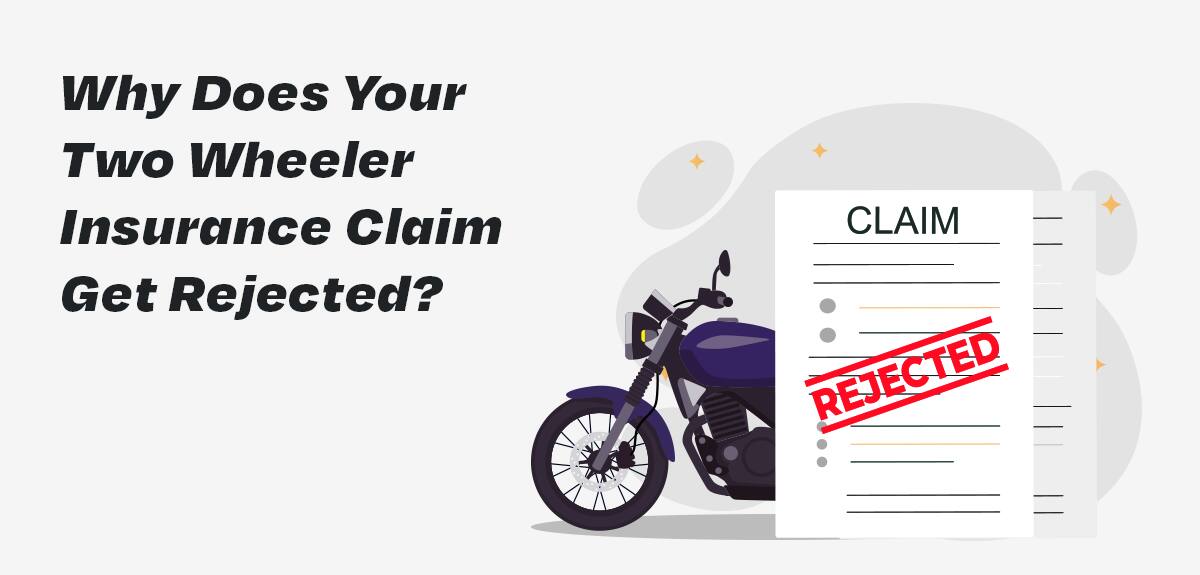
A bike insurance claim may be rejected if the policyholder does not meet the policy conditions or follow the required claim process. Common reasons include an expired policy, incorrect information, delayed claim intimation, policy exclusions, undisclosed modifications, unlawful use of the bike, and repairs to the vehicle before inspection. Knowing these reasons can help you avoid common mistakes and make the claim process smoother. It is also important to understand the surveyor's role, smart inspection, and the steps to take if your claim is rejected.
12 Common Reasons for Bike Insurance Claim Rejection
Here are the top 12 common reasons for bike insurance claim rejection that you must be aware of to avoid unnecessary hassles:
-
Expired or Lapsed Bike Insurance Policy
Usually, a bike insurance policy is valid for a particular period. If you hold an expired bike insurance policy, you will not be eligible for a claim, as your insurer only covers your vehicle during the policy tenure. You must always make sure to renew your policy before the expiry date to avoid your bike claim rejection.
-
Incorrect or Incomplete Information
Providing inaccurate information while buying the policy or filing a claim can lead to complications or rejection. Usually, policyholders create discrepancies while entering registration details, vehicle specifications, ownership information, or the circumstances of an accident may raise questions during claim assessment. That is why you should always provide accurate details and submit the required documents & evidence asked by the bike insurer.
-
Damage Not Covered Under the Policy
Not every bike insurance policy covers every type of loss. For example, third-party bike insurance covers third-party liabilities but does not cover damage to your own bike. A comprehensive bike insurance policy comes with a set of exclusions, deductibles and conditions, while certain losses may require an applicable add-on cover. Hence, check the policy wording before raising a claim.
-
False or Fraudulent Claims
A bike insurance policy aims to assist the 2-wheeler owner in times of trouble, but some policyholders exploit it by filing false claims to profit. Your insurance company will immediately reject claims from individuals who are involved in fraudulent activities to gain more coverage than required. Your claims can also be rejected based on the surveyor's inspection if they believe you are trying to misuse your policy. However, if you are caught in any fraudulent activity, not only will your claim be rejected, but you will also be blacklisted or even have to face legal charges.
-
Undisclosed or Unapproved Bike Modifications
Any modification to a bike can change its specifications, safety, value or risk profile. If modifications are not disclosed to the insurer before doing them or endorsed in the policy where required, they can create problems during claim assessment. These may include aftermarket exhausts, custom paint, modified handlebars, alloy wheels, suspension changes, performance modifications and structural alterations.
To avoid issues with a modified bike:
- Inform the insurer about the modification beforehand.
- Get the required endorsement in the policy in a timely manner.
- Keep modification invoices and installation records.
- Ensure the modification complies with applicable requirements.
- Check whether it affects the bike's IDV or coverage.
-
Using a Private Bike for Commercial Purposes
A private two-wheeler insurance policy is generally issued based on personal use. Using the bike for paid delivery, rentals, or other commercial activities may not match the policy terms. If the bike is used commercially, ensure that the two-wheeler insurance coverage is appropriate for that usage.
-
Delayed Claim Intimation
Bike insurers generally require policyholders to report an accident, theft or other claim-worthy event within the timeline specified in the policy. Any delayed reporting can make it harder to verify the accident, assess the damage, collect CCTV or witness evidence, and establish whether the reported damage resulted from the incident. Therefore, report the incident as soon as possible and check your policy for its specific claim-intimation requirement.
-
Insurance Not Transferred After Buying a Used Bike
Bought a bike from someone else? The insurance should be updated along with the ownership details. Otherwise, the name on the policy will differ from the name of the bike’s current owner. That mismatch can lead to questions from the insurer when you file a claim and may hold up the settlement. Hence, transfer bike’s ownership and insurance policy timely for hassle-free claim settlement in future.
-
Poor or Faulty Condition of the Bike
The insurer may also assess the condition of the bike when processing a claim. For instance, worn-out tyres, faulty brakes or other mechanical problems may become relevant if they appear to have played a part in the accident. Keeping your bike serviced and fixing known issues promptly can help prevent such problems during a claim.
-
Using the Bike for Prohibited Activities
The way you were using the bike at the time of the incident can also affect your claim. Problems may arise if the bike is used for illegal racing, dangerous stunts, or any activity not allowed under the policy. The insurer will review the circumstances of the incident and the applicable policy terms before deciding on the claim.
-
Repairing the Bike Before the Inspection
Don’t get the bike repaired immediately after an accident unless it is necessary for safety or the insurer has asked you to do so. The insurer or surveyor needs to assess the damage and understand its cause before the repairs are carried out. If the bike has already been repaired, it may be difficult to verify the actual extent of the damage.
Does Delaying a Bike Insurance Claim Affect Approval?
It can. If you wait too long to inform the insurer, it may become harder to inspect the bike and verify what happened. The insurer may also need an explanation for the delay. So, after an accident, theft or other insured event, inform the insurer at the earliest and follow the claim process mentioned in your policy.
What Are the Consequences of a Late Claim?
A delayed claim may result in any of the following circumstances:
- Claim rejection if the delay breaches the policy requirement.
- Disputes over whether the loss can be verified.
- Additional evidence or explanations are being requested.
- A longer claim settlement process.
- Potentially lower settlement where the delay causes additional damage.
However, a delay does not automatically mean that every genuine claim will be rejected. Hospitalisation, unavoidable situations or delays caused by a third party are some of the circumstances that, with a reasonable explanation, can accept the claim request. Inform the insurer as soon as possible and provide supporting evidence.
What Is Smart or Mobile Inspection for Bike Insurance?
Smart or mobile inspection is a digital claim-assessment process in which eligible policyholders can share photographs or videos of the damaged bike, eliminating the need for a physical inspection. Depending on the insurer and claim type, the process may involve reporting the damage, recording photographs or videos, explaining the incident and submitting the required documents digitally.
-
Benefits of Smart Inspection
Smart inspection has the following benefits associated:
- It reduces the need for physical visits in eligible cases.
- It makes the damage reporting more convenient.
- It might require some paperwork and coordination.
- It helps insurers assess eligible claims more efficiently.
However, digital inspection does not necessarily replace a physical survey in every case. The insurer may still require an in-person inspection depending on the nature and severity of the damage.
Why Are Bike Insurance Claims Increasing?
The number and value of two-wheeler claims can be influenced by changes in riding patterns, repair costs, vehicle technology, and digital claim processes. Here are the crucial reasons for it:
- Electric two-wheelers: Batteries, sensors and electronic components can be expensive to repair or replace.
- Extreme weather: Heavy rainfall, waterlogging, and flooding can damage engines and electrical components.
- Digital claims: Easier online and self-inspection processes can encourage more policyholders to report smaller damages.
- Premium motorcycles: High-end bikes may feature expensive, specialised components, which can increase repair costs.
- Traffic density: More daily riding and congested roads can increase exposure to minor accidents and damage.
The increase in claim frequency or repair costs also raises bike insurance premiums and underscores the importance of choosing suitable bike insurance add-ons. Depending on the policy, add-ons such as zero depreciation cover, return to invoice cover, engine protection cover, and consumables cover may help reduce certain out-of-pocket expenses.
How to Avoid Bike Insurance Claim Rejection?
Here are a few tips that will help to reduce claim rejection during a crisis:
- Keep a check on the bike insurance policy and renew it before expiry.
- Provide correct information while buying and claiming.
- Understand the 2-wheeler insurance policy’s coverage, exclusions, and deductibles.
- Disclose any modifications in advance and get your bike insurance policy endorsed within the specified timeline.
- Follow applicable requirements for vehicle modifications.
- Report accidents or theft to the insurer promptly.
- Do not repair any damage if you are planning to raise a claim or before inspection/approval from the insurer.
- Keep your insured bike’s TC, your DL, and your bike insurance policy valid.
- Use the bike only for permitted purposes mentioned in the policy documents.
- Avoid exaggerated or fraudulent claims.
- Collect photographs and videos as proof. Also, keep the documents asked for by the insurer ready.
- Cooperate with the surveyor during inspection.
What to Do If Your Bike Insurance Claim Is Rejected?
If your claim is rejected, you can follow these steps to know what exactly happened:
- Understand Why the Claim Was Rejected:
Start by reading the rejection letter or communication from the insurer. Look for the specific policy clause, exclusion or documentation issue mentioned as the reason for rejection. - Go Through Your Policy:
Check the coverage, exclusions, endorsements and other policy conditions related to your claim. This will help you understand whether the rejection is in line with the terms of your policy. - Provide the Missing Details:
Sometimes a claim may be affected because a document or clarification was not submitted. Share the required information with the insurer and request that to review the claim again. - Raise a Grievance with the Insurer:
Don’t agree with the decision? You can raise a complaint through the insurer’s grievance redressal process. Include relevant documents or other evidence that support your claim. - Escalate the Matter if Needed:
If this issue is still not resolved, you can connect with the external grievance redressal mechanism, such as the Insurance Ombudsman, depending on your eligibility and the applicable process to your case.
What’s Next?
A bike insurance claim is easier to handle when you know what your policy covers and follow the insurer’s claim process. Keep the policy active, report an incident without unnecessary delay, disclose relevant modifications and retain the documents related to the loss. If your claim is rejected, go through the reason carefully before deciding on the next step.
FAQs - Bike Insurance Claim Rejection
-
Q: Why do bike insurance claims get rejected?
Ans: Some common reasons for bike insurance claim rejection include holding an expired two-wheeler insurance policy, incorrect information, damage not covered, delayed reporting, undisclosed modifications, unlawful use, fraudulent claims, and repairs carried out before inspection. -
Q: Can a bike insurance claim be rejected for delayed reporting?
Ans: Yes. A claim may be affected if the delay violates the policy’s reporting requirements or makes it difficult to verify the loss. The reason for the delay and the circumstances of the incident may also be considered. -
Q: Can I claim insurance for a modified bike?
Ans: Yes, you can raise a claim for modified bikes, but any relevant modifications should be disclosed to the insurer and endorsed on the policy where required. Undisclosed or unauthorised modifications can lead to claim-related issues. -
Q: Can I repair my bike before the surveyor inspects it?
Ans: It is better to wait for the insurer’s inspection or approval before starting major repairs. Repairing the bike beforehand may make it difficult to assess and verify the original damage. -
Q: Can a surveyor reject my bike insurance claim?
Ans: A surveyor generally inspects the bike, assesses the damage and submits a report to the insurer. The insurer takes the final decision on the claim based on the survey report, policy terms and other relevant information. -
Q: What is smart inspection in bike insurance?
Ans: Smart inspection in two-wheeler insurance is a digital process in which eligible policyholders can submit photographs or videos of the bike’s damage through the insurer’s digital claims platform, such as a web or mobile app. -
Q: What should I do if my bike insurance claim is rejected?
Ans: Firstly, read the rejection reason, check the relevant policy terms, provide any missing documents or information and raise a grievance with the insurer if you believe the decision should be reviewed. -
Q: How can I avoid a bike insurance claim rejection?
Ans: Check your bike insurance policy and keep it active, provide correct information, disclose relevant modifications beforehand, report incidents promptly and follow the insurer’s claim process. Also, keep the required documents ready and avoid repairing the bike before inspection or approval.