Understanding Class B Fires: Risks, Causes and Prevention
A small spill of fuel, a spark from electrical equipment, or a hot surface near a flammable liquid canquickly lead to a serious fire. Flammable liquids are highly combustible and can cause fires that spreadrapidly and produce excessive heat and smoke. For businesses that work with or around flammable liquids like fuel, solvents, paints, chemicals or other flammable liquids, knowing what to do in the case of a fire is an important part of their safety and preparedness planning.
Thank you for showing your interest in fire-insurance. Our relationship manager will call you to discuss the details and share the best quotes from various insurers. In case you have any query or comments, please contact us at corporateinsurance@policybazaar.com
Understanding Class B Fires: Risks, Causes and Prevention
Key Takeaways
Class B fires involve flammable liquids such as petrol, diesel, alcohol, oil and certain paints.
Sparks, static electricity, hot surfaces and poor ventilation are common causes.
These fires can spread quickly and produce heavy, harmful smoke.
Water should not be used on a Class B liquid fire because it can spread the burning liquid.
Safe storage, proper ventilation, regular inspections and staff training help reduce the risk.
Fire insurance provides financial protection against covered fire-related losses, subject to policy terms.
What Is a Class B Fire?
A Class B fire is a fire that is caused by a flammable liquid that is easily ignited and can spread rapidly. Such liquids include, among others, petrol, diesel, alcohol, oil, acetone, paraffin and certain paints. Fittingly, class B fires are common in areas where such liquids are stored, transferred or used, for example:
Fuel station
Garages and workshops
Chemical plants
Manufacturing plants
Laboratories
Paint and solvent stores
Warehouses with other flammable liquids
Class B fires are distinct from fires that involve ordinary solids because the liquid in them can spread on the surface it is on, causing the fire to spread with it.
Trivia
Did you know?A Class B fire can be particularly challenging to control and extinguish because the liquid fuel can spread across the floor or any other surface it is on, igniting as it spreads. Hence, it is important to prevent the spread of the fuel and choose an appropriate extinguishing method for such fires.
How Do Class B Fires Start?
In most cases, Class B fires start when there is a risk or exposure to an ignition source with a supply of flammable liquid or its vapour.
Static Electricity
This form of energy can accumulate during the transfer of fuel or other fluids. In turn, a spark could easily set flammable fluids or vapour on fire.
Electrical Sparks
An electric source such as equipment, wiring or even faulty connections can also ignite vapour from stored fuels.
Hot Surfaces
Engines, machinery or piping that are hot due to manufacturing processes can also present a hazard when exposed to combustible liquids or vapour.
Smoking or Open Flames
Any form of smoking or burning materials, such as matches and lighters, is also a common fire starter around fuels and chemical storage.
Chemical Reactions
Some forms of chemicals can also react with each other, resulting in a fire hazard from flammable vapours or heating.
Poor Ventilation
When flammable vapours build up in an enclosed space, even a small ignition source can cause a rapid fire.
Why Are Class B Fires So Dangerous?
There are a number of complications that can arise when dealing with this type of fire.
Rapid Fire Spread
Fires involving flammable liquids have the ability to spread very quickly, especially if the liquid is able to travel along surfaces. This could also lead to a larger affected area as the fire spreads.
Toxic Smoke
In addition, the smoke produced by these fires can also be toxic. As a result, this would make it difficult for anyone nearby to see or breathe.
Risk of Reignition
Furthermore, it is also possible for the fire to reignite if there is still enough fuel or vapour. As such, class B fires should not be left alone after extinguishing.
Explosion Risk
Lastly, it is also possible for the vapour to accumulate in an enclosed area and cause an explosion if it reaches a certain level.
How to Extinguish a Class B Fire Safely?
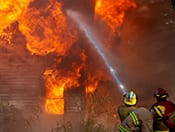
The most crucial step is to ensure personal safety. In case of an uncontrollable or spreading fire, get to a safe place and call the emergency services. For trained operators and small, manageable fires, here are some of the general safety guidelines:
Do not use water to put out a fire involving flammable liquids.
Stay clear of the fire as much as possible.
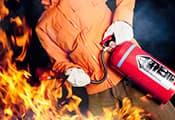
Use a suitable and reliable class B fire extinguisher.
Do not attempt to cut off the supply of fuel unless it is safe to do so.
Use the PASS technique while operating a portable fire extinguisher: Pull, Aim, Squeeze and Sweep.
Evacuate and call the fire department if the fire begins spreading and becomes uncontrollable.
Extinguishers such as foam, carbon dioxide (CO2) and dry chemical types are suitable for Class B fires depending on the rating of the extinguisher and the nature of the fuel source.
How to Prevent Class B Fires?
Prevention is always better than cure, and this adage holds for Class B fires as well. Here are some effective measures to help prevent Class B fires:
Store Flammable Liquids Properly
Petrol, solvents, paints and other flammable liquids must be stored in approved containers in suitable areas.
Provide Good Ventilation
This will help prevent the accumulation of flammable fumes.
Control Static Electricity
Fuel or liquid transfers must be done using grounded and bonded containers as necessary.
Avoid Ignition Sources
Do not allow smoking, open flames, sparks and hot plates near areas containing flammable liquids.
Prevent Leaks
It is important to check all fuel lines, tanks, pipes, gaskets and containers on a regular basis. Left unattended, a small leak can lead to a major conflagration.
Disposal of Oily Materials Safely
Used oily towels and rags should be disposed of properly in containers of their own.
Train Employees
Employees must be trained about potential flammable liquid hazards, recognising and reporting leaks, alarm signals and evacuation procedures.
Where Are Class B Fires Commonly Found?
Class B fire risks are particularly common in workplaces that handle flammable liquids on a regular basis.
Workplace
Common Class B Fire Risk
Fuel Stations
Petrol, diesel and other fuels
Factories
Solvents, oils, paints and chemicals
Garages & Workshops
Fuel, lubricants and cleaning solvents
Chemical Plants
Flammable chemicals and vapours
Paint Industries
Paints, thinners and solvents
Laboratories
Alcohol, acetone and other flammable liquids
Warehouses
Stored flammable liquids and chemical products
How Can Fire Insurance Help After a Class B Fire?
While fire prevention should always be a priority, it is equally important to have an appropriate financial protection for businesses dealing with flammable liquids. A Class B fire can cause severe damage to structures, machinery, inventory, equipment and other assets. Fire insurance provides financial compensation for businesses' eligible losses due to a qualifying fire incident and related perils. Insurance policies can mitigate the financial impact of fire incidents on businesses involved in the handling or storage of flammable liquids.
Class B Fire vs Other Common Fire Classes
Fire Class
Typical Fuel
Common Examples
Class A
Ordinary combustible solids
Wood, paper, cloth
Class B
Flammable liquids
Petrol, diesel, oil, alcohol
Class C
Flammable gases
LPG and other combustible gases
Class D
Combustible metals
Magnesium, sodium and similar metals
Class F/K
Cooking oils and fats
Deep-fat fryers and commercial kitchens
Fire-class terminology does vary according to standards and regulations, and businesses should always follow local fire-safety regulations and classifications.
Conclusion
A class B fire can quickly escalate out of control if the ignition source and highly flammable substances are not properly managed. Businesses that store or handle flammable liquids must ensure they have appropriate fire-prevention and fire-fighting procedures. The most effective way to deal with a Class B fire is to prevent the ignition source and use an appropriate fire extinguisher. However, it is equally important to have adequate fire insurance to cover the possible financial losses that might occur due to a fire incident
Frequently Asked Questions
Can you use water on a Class B fire?
Water should not be used on Class B fires, as water helps spread the fire due to the flammable nature of the liquid fuel.
Which extinguisher is used for a Class B fire?
Foam, CO₂ and dry chemical extinguishers can be used depending on the exact fire hazard and extinguisher pressure rating.
Does fire insurance cover damage from a Class B fire?
Fire insurance provides financial coverage for businesses' eligible loss due to a qualifying fire incident and related perils. It is always a good idea to carefully review the policy terms and conditions to ensure that the coverage is adequate for the business's needs.
Disclaimer: Above mentioned insurers are arranged in alphabetical order. Policybazaar.com does not endorse, rate, or recommend any particular insurer or insurance product offered by an insurer.
+Premium varies on the basis of Occupancy, Business Activity & Coverage Type
. The premium of Rs 3400/year (Rs 283.33 / month) is for a pucca building with sum insured of Rs 50 lakh at selected locations, for property age less than 25 years and policy term of 1 year, rounded off to nearest 10. Additional premium is payable for the optional covers including contents opted. STANDARD TERMS AND CONDITIONS APPLY. For more details on risk factors, terms and conditions, please read the sales brochure carefully before concluding a sale. By clicking on "View Plans" you agree to receive assistance and agree to our Privacy Policy and Terms Of Use and also provide us a formal mandate to represent you to the insurer and communicate to you the grant of a cover. The details of insurance coverage, inclusions and exclusions are subject to change as per solutions offered by insurance providers. The content has been curated based on the general practices in the industry. Policybazaar is not responsible for the factual correctness of these details.
Your call has been scheduled successfully.
Expert advice made easy
Date
Time
When do you want a call back?
Today
Tomorrow
17 Sep
18 Sep
19 Sep
20 Sep
21 Sep
What will be the suitable time?
11:00am - 12:00pm
12:00pm - 01:00pm
01:00pm - 02:00pm
02:00pm - 03:00pm
03:00pm - 04:00pm
04:00pm - 05:00pm
05:00pm - 06:00pm
Tell us the number you want us to call on
Your privacy matters. We wont spam you
Call scheduled successfully!
Our experts will reach out to you on Today between
2:00 PM - 3:00 PM


 We don't spam


@2x.png)






 Expert advice made easy


