Why the Vietnam Tragedy is a Wake-Up Call for International Travellers
The sudden loss of 15 lives in the recent boat accident off Phu Quoc Island highlights a scary reality: popular vacation spots are growing faster than their safety systems can handle. A vacation abroad is supposed to be fun and memorable, but when something goes wrong in a foreign country, nobody is prepared for these unexpected challenges. The immediate aftermath involves a mix of profound shock, devastating grief and daunting bureaucratic formalities that can leave any person completely drained. Whether you are travelling with your family or going on a solo trip, you have to look out for your own safety.

- Home

- Travel Insurance
- Articles - TI
- Why the Vietnam Tragedy is a Wake-Up Call for International Travellers
The Vietnam Boat Tragedy: A Sobering Reality
Island-hopping and coastal excursions are standard activities in Southeast Asian countries, but they can turn tragic due to unforeseen circumstances. Holiday risk management is something not many people want to think or talk about, but navigating the unforeseen has become crucial for Indians travelling abroad.
This includes booking with high-rated tour operators, ensuring proper safety checks, understanding the risks and preparing for them accordingly. Travel insurance is among these crucial safety checks, preparing you and your loved ones for the aftermath of such tragedies.
Both travellers and organisers must understand that safety can’t be outsourced entirely to local operators. It requires proactive vigilance and preparation before stepping into any vessel.
Crucial Safety Compliance Checklist for Indians Travelling Abroad
A ferry capsizing is a rare incident, and nobody can avoid incidents beyond their control. But it is possible to understand the risks of any activity and prepare for the worst-case scenario. Here are some important safety compliances for various activities abroad.
Water Sports & Boat Tours
For Indians who have planned activities like snorkelling, jet skiing or ferry rides, ensure the following:
| Safety Check | What You Must Do |
| Life Jackets | Wear your life jacket properly, buckle it up the entire time you are on the water, not just when the water gets rough. |
| Weather & Sea Conditions | Check local marine forecasts before going out. Cancel or delay the trip if there are warnings of sudden high waves or storms. |
| Official Permits | Look for valid government registration stickers on the boat or recognised certification logos (like PADI or SSI) at diving centres. |
| Gear Check | Test your snorkelling masks, flippers, or jet ski controls on land to ensure everything fits comfortably and works perfectly before leaving the shore. |
Mountain Trekking & Hiking
Even when going on easy trails, you must always ensure the following:
| Safety Check | What You Must Do |
| Local Registered Guides | Never trek alone on unfamiliar trails. Always hire a local guide who is officially verified by the area's tourism board. |
| Track Mountain Weather | Track live weather updates right before you start climbing, as mountain weather can change completely in a matter of minutes. |
| Understand Emergency Rescue Routes | Make sure your guide has a clear plan for emergency evacuation (like helicopter rescue spots) in case someone gets injured or suffers from altitude sickness. |
Theme Parks & Water Parks
Theme parks are the most popular tourist destination for people travelling abroad with children. But these places are also prone to tragic accidents due to overtourism, lack of crowd management, and a general lack of vigilance on tourists’ part. Here are some safety checks for tourists visiting theme parks abroad:
| Safety Check | What You Must Do |
| Ride Rules | Pay close attention to the operator's instructions and strictly follow the height, weight, and health limits for every ride. |
| Active Lifeguards | Before letting family members jump into deep water park pools or wave pools, verify that trained lifeguards are actively watching the water. |
| First-Aid Spots | Note the exact location of the park’s medical room as soon as you enter, just in case someone slips or gets a minor injury. |
Keeping these safety checks in mind before paying for your tour booking or holiday package will help you avoid any compromised organisers.
While booking a safe and responsible tourist package is important, securing your holiday with a good travel insurance plan is equally important. Especially if you plan to try these recreational activities or other adventure sports, make sure to buy travel insurance with adventure sports add-on. It covers treatment costs of injuries caused by adventure sports and offers crucial support in case of a crisis.
How Travel Insurance Can Provide Crucial Support During a Tragedy Abroad
-
Comprehensive Emergency Medical Coverage
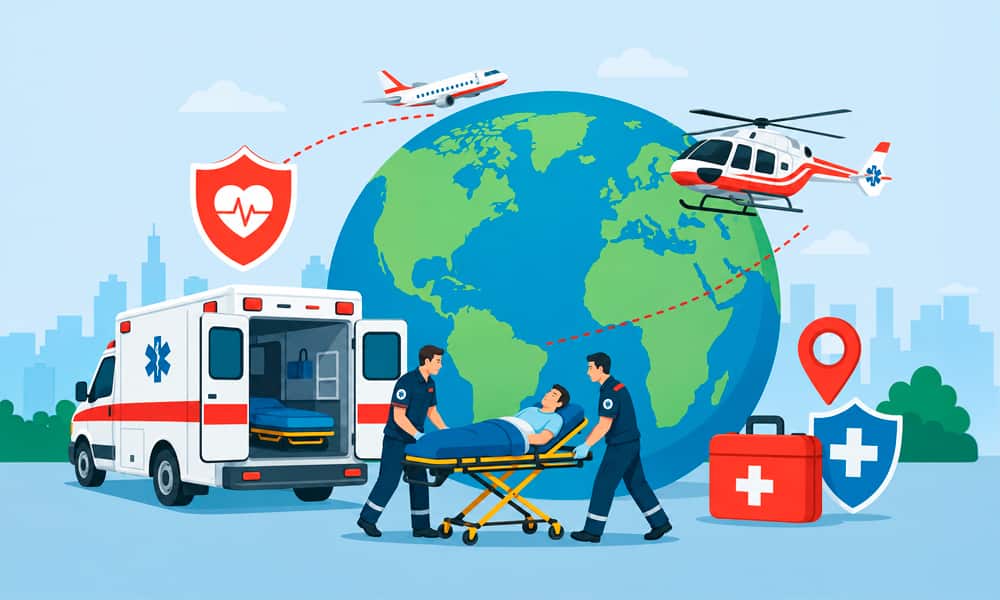
Healthcare abroad can be twice or more costlier than in India. A standard trip insurance covers immediate hospitalisation, ICU charges, and emergency surgeries required for patient’s safety.
-
Medical Evacuation and Repatriation of Remains
In case of a critical injury or a fatality, the last thing a family wants to deal with is the logistic of bringing back the loved one. This requires international coordination with foreign airlines, local forensics and customs authorities. A robust policy will cover these high costs as well as help navigate these logistics.
-
Compassionate Visit/Emergency Travel for Family
If a traveller falls sick abroad and is hospitalised, they can’t navigate the recovery alone. Some of the best travel insurance policies in India offer a benefit called ‘Compassionate Visit’ which covers the flight cost of one designated family member to visit the patient. This feature covers the round-trip economy airfare and hotel for the member to be at the patient’s bedside.
-
Personal Accident Cover
This coverage is a grim but essential financial security in case the insured suffers permanent disability or accidental death abroad. The policy provides a lump-sum payout to the insured or their designated nominees. While no amount of rupees can replace a human life, this feature tries to provide financial relief during a very difficult time.
Frequently Asked Questions (FAQs)
-
Q: What exactly caused the recent boat accident in Vietnam?
A: While the investigations are still ongoing, Vietnam speedboat capsize reason is due to a sudden three-meter waves and an abrupt turn by the operator. It is a grim reminder of how suddenly open-water weather can change and why everyone must ensure safety compliance. -
Q: How can I tell if a tour boat or ferry is safe before boarding?
A: You need to look for some basic signs such as: a properly fitting life jacket for all the people on the boat, no overcrowding, and official government registration stickers on the hull. Refuse to board the boat if the crew looks careless or the boat is not poorly maintained. -
Q: If the weather looks rough but the guide says its fine, should I trust them?
A: No. Even if they travel those routes daily, the weather in open water can be unpredictable. Moreover, tour operators often have financial pressure to keep the trips running. Always check marine weather forecasts and if there is a storm or high wave alert, postpone or cancel the trip. -
Q: How does the Indian Embassy help if an Indian citizen meets with ana ccident abroad?
A: The Indian Consulate or Embassy in the country you’re in plays a critical role to help you. They work closely with the local hospitals, police and assist with emergency paperwork. They also help familiea navigate with foreign legal rules and help bring back citizens back home safely. Whenever you travel abroad, save their emergency helpline number before flying.

Does any of the traveller have any pre-existing medical condition like BP, diabetes etc? See what it means ›
Now covers COVID-19
- No medical checkup required
- Pre-existing coverage available
- Instant Policy Issuance
- Medical expenses, Trip cancellation/delay, Loss of baggage & Passport etc.
- 24x7 claims support
* Price shown is for a 90 day trip to Thailand with 50,000 dollar coverage for an adult of age 25 years