No Health Checkup Required
Get travel insurance without any medical checkup


Does any of the traveller have any pre-existing medical condition like BP, diabetes etc? See what it means ›
Now covers COVID-19


Buying travel insurance for Ireland from India is not mandatory for an Irish visa, but official advice strongly recommends all visitors to buy one. A travel medical insurance Ireland as it may be requested by the authories at the port of entry.
As per the Irish Naturalisation and Immigration Service (INIS), buying travel insurance for Ireland is strongly recommended. Even if your visa is approved, Ireland travel medical insurance may also be requested at the port of entry and must be presented in front of the immigration officer.
A trip to Ireland sounds like a scene from your favourite romance novel. But things can go wrong even in the most perfect settings. You may get injured while exploring a castle in Ireland. Or, you may fall sick due to the cold weather. Locals have access to free healthcare in Ireland, but as a foreigner you will have to foot expensive bills here.
From losing your passport or wallet, all you can do is be vigilant and be prepared for such unforeseen situations. This can only be done with the help of travel insurance Ireland . It is the protection that you can opt for, thanks to so many plans available for travel insurance Ireland from India.
| Category | Specifications |
|---|---|
| Capital | Dublin |
| International Airports | Dublin Airport (DUB) , Cork Airport (ORK), Shannon Airport (SNN) |
| Time Zone | Irish Standard Time GMT +1 |
| Best Time to Visit | March to May (Spring) & September to November (Autumn) for mild weather July & August for Festivals |
| Visa Requirement for Indians | Irish visa required |
| Ireland Travel Insurance Requirement | Not mandatory, but highly recommended (Mandatory for students) |
| Indian Food Availability | Good Indian restaurants available in Dublin, Cork & Galway; vegetarian options available |
| Emergency Numbers in Ireland | 112 or 999 |
| Currency | Euro (€/EUR) |
| Climate | Oceanic; mild, rainy & windy. Pack layered clothing and rain gear. |
You should choose a plan based on the purpose of your trip:
| Plan Type | Ideal Audience | Key Recommendation |
|---|---|---|
| Individual/Family Plans | Leisure travellers, parents or relatives visiting student/employee in Ireland | Covers high-medical costs and trip-related issues like flight cancellations, missed connection, baggage/passport loss. |
| Senior Citizen Plans | Travellers above 60-70 years of age. | Very important to cover emergencies as seniors face higher medical risk. |
| Student Plans | Indian students enrolled in 1-year or shorter study programme, newly arrived 1st year students | Meet mandatory insurance requirement for non-Irish students, including EUR 25,000 (each) coverage for accident and disease related hospitalisation |
Your travel insurance plan for Ireland should provide the following, with certain limitations:
| Inclusions | Exclusions |
|---|---|
| Emergency medical expenses, including hospitalisation, OPD, ambulance, etc. | Pre-existing diseases are not covered unless a specific PED add-on is purchased |
| Loss of Passport and expenses for obtaining emergency travel documents. | Planned medical treatments are not covered |
| Emergency medical evacuation and repatriation of remains | Losses due to war, terrorism or breach of law |
| Trip cancellation and trip interruption | Injuries due to water sports or hiking (if participating professionally or without an adventure sports add-on) |
| Daily hospital cash allowance | Pregnancy or pregnancy-related costs (unless covered under a student plan) |
| Loss or delay of checked-in baggage | Self-inflicted injuries or injuries as a result of drug/alcohol misuse |

Ireland has excellent healthcare, but non-EU visitors, especially Indians, can find it very expensive. If you fall sick or need emergency treatment, a single ER visit can cost you EUR 100 or more. If you already have a health condition, then you can get additional protection with a PED add-on.
Ireland is known for its cliff walks, coastal hikes and cycling trails. If you plan to go on a serious trek, make sure to buy an adventure sports cover for hiking and other low-risk outdoor activities. These risks are not covered by regular plans, so having an add-on with your Ireland travel insurance can go a long way!

Most foreigners, including Indians, need a valid Irish visa to enter Ireland. Whether you are visiting Ireland for work or to meet your friends, you need to obtain a valid visa from the Embassy of Ireland. There is no Ireland visa on arrival for Indians.
To apply for an Ireland visa for Indians, you must submit your visa application to the Embassy of Ireland in India. Broadly, the Embassy of Ireland offers three types of Ireland visas for Indians. They are
➣ Short Stay Visa
➣ Long Stay Visa
➣ Re-Entry Visa
You must apply for an Ireland visa for Indians based on the purpose of your trip to Ireland. For instance, if you are travelling on a vacation to Ireland, you must apply for an Irish tourist visa.
If the Embassy of Ireland refuses your visa application, you can file for a visa appeal within two months of receiving the refusal letter/ notice.
You must also provide evidence of a valid medical insurance for Ireland, even though it is not mandatory. If your visa application is approved, the Immigration Officer at the port of entry may request the same.

Select the visa type based on your travel purpose (trip, event, business conference, study, etc.)
Provide all details and complete your Irish visa application online
Like a valid Indian passport, proof of travel purpose like an invitation letter, enrollment confirmation, proof of financial means, etc.)
Pay the non-refundable visa fee for Ireland. It is EUR 60 for single journey visas and EUR 100 for multiple journey visas.
Go to the designated visa application centre (VFS in this case) and submit documents. Provide biometrics if required.
Irish visa processing varies with the visa type. You can track it online through the INIS or VFS Global official website.
Travel Insurance is recommended for Ireland trip
Since visiting Ireland requires a visa first, you must apply for it in advance. You also need to take care of other formalities and paperwork. Here are some important documents to prepare for your visit to Ireland:
These are the documents you must prepare before beginning your journey to Ireland:
A valid visa for Ireland
An Indian passport with sufficient validity
Proof of accommodation
Proof of enough funds
Ireland travel medical insurance (Not mandatory, but you may need to show proof upon inspection)
The following are the documents required to purchase travel insurance.
Passport number of travellers
ID proof (PAN/Aadhar etc.) for KYC for the proposal form*
*You must also have your travel dates and destination for the proposal form.
The following are the documents required for travel insurance claim.
FIR or police report for criminal cases
Copy of your passport with immigration stamps
ID Proof
Completed claim forms
Copy of your original policy
Original bills and receipts
You may be asked to provide all of these or more documents, depending on your claim.
Here are some essential things to know to help you get started on your journey planning:


Ireland has several international airports, the most popular ones are Dublin Airport, Cork Airport, Shannon Airport and Ireland West Airport.

The currency used in Ireland is the Euro. Here is the latest exchange rate to get an estimate:100.41 INR = 1 EUR = 1.17 USD

In case of an emergency in Ireland, you must contact the Indian Embassy in Ireland which is located in Dublin. Here is the emergency contact:
+353 899423734
You can also contact your TPA for your travel insurance for Ireland or their emergency helpline if you need help understanding the procedure.
Buying from us comes with a lot of benefits:
Travel insurance for Ireland from India

Easy Comparison: Compare multiple policies on the go

Accepted Worldwide: Plans that are approved worldwide, including visa insurance requirements.

Budget-friendly: Find the cheapest travel insurance for Ireland

Instant Issuance: Get your policy within minutes

Global Support: Emergency & claim assistance throughout the world

Ireland is a wonderful destination to visit around the year. However, the summer season and the spring season is considered the best time to visit Ireland.
Summers are Ireland's driest time of the year, with longer daylight hours. It will allow you to explore Ireland with less chance of rain. This is probably why summer is the peak season for tourists, making everything in Ireland expensive.
If you want to enjoy Ireland with a smaller crowd but with pleasant weather, spring is the time.
Secure your Ireland trip anytime of the Year
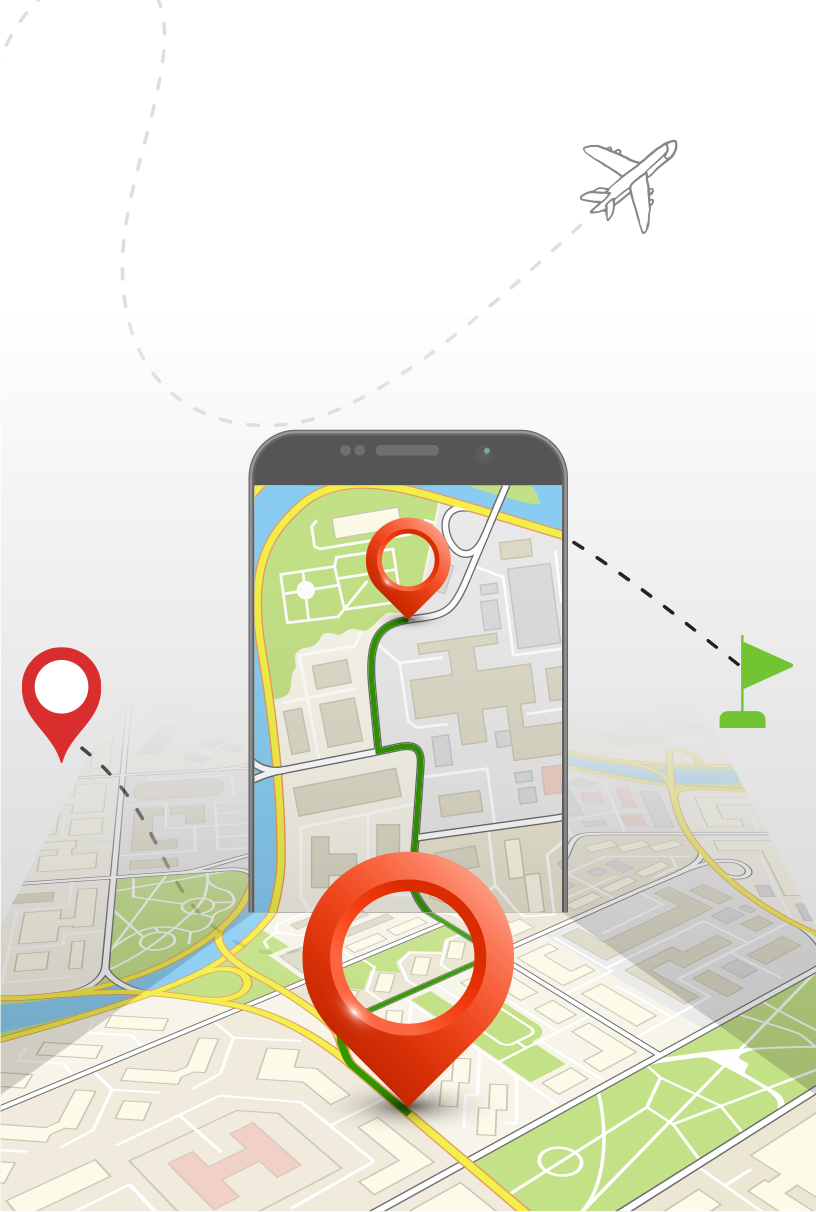

Given its abundant attractions and well-developed cities, Ireland offers a spectacular experience to tourists. However, exploring the whole city without a proper budget could burn a hole in your pockets. Here are some ways to save money while traveling to Ireland:

Go for commuter towns and suburban areas like Tallaght and Maynooth to save money on accommodation.

Major Irish cities like Cork, Limerick, Galway, and Dublin have discounted cards that offer you a 20-30% discount on fares.

Avoid exchanging currency at the airport, and use a good card to avoid high transaction costs.

Use DART public railways or Dublin buses instead of cabs. Download the Luas App for tram routes in Dublin. Irish Rail is best for visiting Cork, Belfast, Limerick and Dublin.

Use websites like Meetup and Eventbrite to find free events, classes, and walking tours across Irish cities.
Ireland is breathtakingly gorgeous and comes with a combination of sprawling landscapes, rugged cliffs and pristine beaches. The Giant's Causeway and the Rock of Cashel are the best places to visit in Ireland for every foreigner arriving there. Here are some must-visit places in Ireland:

Cliffs of Moher: Dramatic sea cliffs on the Irish west coast. Offers breathtaking ocean views and Atlantic winds.
Glendalough: A serene monastic valley in Wicklow. Known for medieval ruins, serene lakes, and hiking trails.
Dingle Bay: A scenic coastal spot on the Wild Atlantic Way. Popular for dolphin sightings and colourful seaside.
Giant's Causeway: UNESCO-listed natural wonder. Located in Northern Ireland, it has unique basalt columns.
Rock of Cashel: An Iconic medieval fortress located on a limestone hill. It offers stunning views and a glimpse into ancient Irish royalty.
Killarney National Park: Ireland's first national park is known for lakes, waterfalls, and the famous Muckross House in the Kerry mountains.
Ireland is a very safe place for tourists and was ranked #3 among the safest destinations for tourists among 163 countries as per the Global Peace Index of 2023. However, there are always some precautions to ensure your overall safety while travelling to a new place. Take a look at some of these handy tips that will help you while you're visiting Ireland:
Avoid going for unregistered cabs. Try to use DART public railways or Dublin buses instead.
Keep your valuables close; if at all, you must carry them with you outside. Invest in a sturdy bag that won't break easily.
Keep an eye on the ATMs for any skimmers.
The country is safe for solo travellers, as long as you avoid big crowds and walking alone at night.
Avoid hitchhiking, drugs or heavy drinking, especially at night.
In case of an emergency, dial 112 for the police.
Ireland is a safe place for LGBTQ+ travellers. In case of any discrimination or harassment, they may call the LGBT Ireland helpline at 1890929539.
Finally, buying travel insurance for Ireland from India is the surest way to remain safe while in Ireland. It will help you during emergencies, guide you with local authorities and cover emergency expenses as per your travel insurance policy.

Aditya Birla
Bajaj General

Care

Cholamandalam MS

Digit

Future Generali

HDFC ERGO General

ICICI Lombard
IFFCO Tokio
IndusInd General

Understanding how climate change affects travel insurance is
Read more
Travel insurance and health insurance both offer coverage to the
Read more
Travelling abroad demands a lot- from intensive planning to
Read more
Travelling by air is one of the most convenient modes of
Read more
Trip cancellation coverage makes travel insurance truly valuable
Read moreSTANDARD TERMS AND CONDITIONS APPLY. For more details on risk factors, terms, and conditions, please read the sales brochure carefully before concluding a sale.
Policybazaar Insurance Brokers Private Limited, Registered Office - Plot No.119, Sector - 44, Gurgaon, Haryana - 122001 | CIN: U74999HR2014PTC053454 | Policybazaar is registered as a Composite Broker | Registration No. 742, Valid till 09/06/2027 | License category - Composite Broker | Contact Us | Legal and Admin Policies
* Price shown is for a 30 day trip to Ireland with 50,000 dollar coverage for an adult of age 25 years
Insurance
Calculators
Payment Methods


Secured With

Follow us on