Cashless vs. Reimbursement Car Insurance Claims: Pros and Cons
If your car is damaged in an accident or other insured event, you can choose between twoRead more
What are Cashless and Reimbursement Claims?
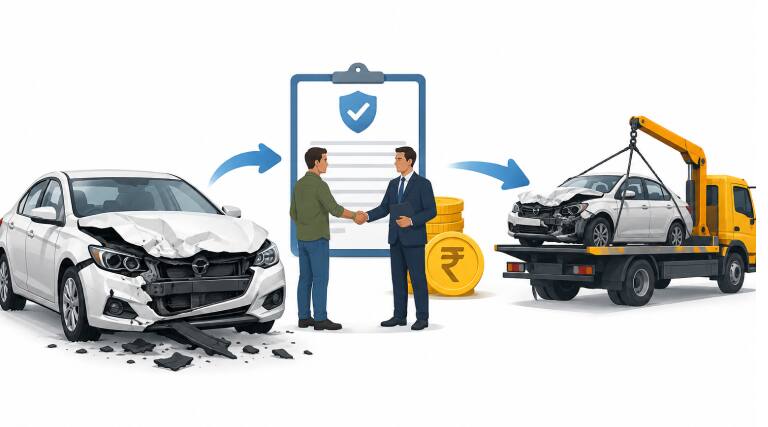
A cashless car insurance claim allows you to get your vehicle repaired at a network garage linked with your insurer without paying upfront. The insurer sends the payment directly to the garage, minus the deductible.
A reimbursement car insurance claim requires you to pay for repairs at any garage and then submit the bills to your insurer for reimbursement. Each has unique perks and drawbacks. Apart from the budget, a policyholder's decision depends on the repair shop chosen and the urgency of the repair.
Quick Overview: Cashless vs. Reimbursement Car Insurance Claims
Here is a table that compares cashless and reimbursement car insurance claims to help you choose the right option:
| Aspect |
Cashless Claim |
Reimbursement Claim |
| Process |
Take the car to the insurer's approved shop. The insurer pays the shop directly. Less work for you. |
Pay for repairs at any shop. Submit bills to the insurer. More steps for you. |
| Documents |
Need a few papers, like policy and ID. The shop handles most forms. |
Need many papers, like bills, receipts, and claim forms. You collect everything. |
| Approval |
Wait for the insurer's inspector to check the car at the shop. Can delay repairs. |
Get the insurer's OK after repairs. Risk of rejection if a claim isn't covered. |
| Cost |
Pay only a small fee. No big upfront costs. Saves money during emergencies. |
Pay the full repair cost first. Wait days or weeks for money back. Can strain the wallet. |
| Repair Shop Choice |
Stuck with insurer-approved shops. May not be nearby. |
Pick any shop you trust. Great for local or favourite mechanics. |
| Speed |
Often faster due to less paperwork. Shop and insurer coordinate. |
Slower due to extra steps. You handle bills and wait for repayment. |
Pros and Cons of Cashless Car Insurance Claims
Have a look at the advantages & disadvantages of cashless car insurance claims:
Pros:
- Your insurer pays the repair shop directly, except for a small fee you cover. This saves you from digging into your wallet during a stressful time.
- Approved cashless garages require fewer forms, so repairs often happen faster. The insurer handles most of the work, so you do not have to worry about it.
- These shops are checked by the insurer, so they use good parts and skilled workers. Your car gets fixed properly, especially for big damage.
Cons:
- You can only use the insurer's approved repair shops, which might be far or not your favourite. This can be annoying, especially in rural areas.
- You may have to wait for the insurer's inspector to inspect your vehicle before beginning repairs. Some shops may also prioritise other clients. You cannot pick a repair shop of your choice.
- You cannot select the repair garage, which can feel restrictive if you wish to use a reputable mechanic.
Pros and Cons of Reimbursement Claims
Reimbursement car insurance claims offer flexibility but require upfront payment. Here's a clear breakdown:
Pros:
- You can repair your car at any garage, including trusted local ones, for personalised service. This is ideal if network garages are far away.
- Pay and start repairs immediately without waiting for insurer approval. This gets your car back on the road quicker.
- You decide the repair quality and parts, ensuring your preferences are met. This is great for custom or high-end vehicles.
Cons:
- You must pay repair bills out of pocket, which can strain your finances, especially for expensive fixes. Reimbursement may take days or weeks.
- Submitting bills, receipts, and claim forms requires extra effort. Missing or incorrect documents can delay or reject your claim.
- If the insurer finds the claim invalid (e.g., due to policy exclusions), you may not get reimbursed. This adds financial risk.
Choosing the Right Type of Claim Process
When it comes to the right car insurance claim process, here's how you can decide whether to go for a cashless facility or a reimbursement option:
- Opt for cashless claims if: You do not want to pay costly repairs from your pocket, have a network garage nearby and prefer a simpler process with less paperwork.
- Opt for reimbursement claims if: You can comfortably pay the repair costs upfront, have a preferred local mechanic or workshop, or need repairs where no network garage is available.
*Note: In either case, you should inform your insurer before the repairs start and check the policy terms.
Hidden Costs to Look for When Making a Cashless Claim
Many vehicle owners mistakenly think that cashless car insurance claims mean 'completely free'. However, regardless of your claim type, you will always need to pay for:
- Compulsory Deductible: A fixed file charge (ranges from Rs. 1,000 to Rs. 2,000 depending on your car's engine capacity).
- Depreciation on Parts: Unless you have a zero depreciation add-on, the depreciation will be deducted for wear & tear on replaced parts (e.g., up to 50% for rubber, nylon, or plastic components).
- Consumables: In an accident claim, you will also need to cover the costs for items like engine oil, lubricants, coolant, nuts/bolts, etc., unless you have a consumables add-on in your policy.
Steps to File a Cashless Car Insurance Claim
Filing a cashless claim is simple if you follow these steps:
- Step 1: Call your insurer immediately after an accident to report details. Provide your policy number and incident location.
- Step 2: Drive or tow your car to an insurer-approved network garage. Share the garage address with your insurer.
- Step 3: The insurer sends a surveyor to assess damage. Wait for their approval before repairs begin.
- Step 4: The garage repairs your car, and the insurer pays the bill, minus deductibles. You settle any extra costs.
Steps to File a Reimbursement Car Insurance Claim
Reimbursement claims require a few extra steps but offer flexibility:
- Step 1: Inform your insurer within 48-72 hours of the incident. Share details like your policy number and damage description.
- Step 2: Take your car to a garage of your choice and get it fixed. Pay the repair costs upfront.
- Step 3: Gather bills, receipts, and a claim form from the garage. Include your policy copy, driving licence, and RC.
- Step 4: Send all documents to the insurer for verification. Once approved, they will transfer the claim amount to your bank account.
Major Documents Required for Cashless and Reimbursement Claims
The exact documents required may vary across car insurance companies, the type of claim and the circumstances of the incident. However, here are the most common ones you may need to provide:
- Duly filled and signed claim form
- Copy of your car insurance policy
- A valid driving licence of the driver-owner
- Registration Certificate (RC) of the vehicle
- Repair estimate from the garage
- Repair bills and payment receipts, particularly for reimbursement claims
- FIR or other police documents, where applicable
- KYC or bank account details, if required by the insurer for claim processing
For a cashless claim, the garage will handle the required documents and claim process with the insurer. For a reimbursement claim, you need to keep the original repair bills, invoices and receipts. The insurer may need them to assess your claim payout.
Conclusion
Cashless and reimbursement car insurance claims offer different levels of convenience and flexibility. Your choice depends on factors like your preferred garage, ability to pay upfront and how quickly you need the repairs completed. When buying a policy, make sure to explore car insurance options from multiple insurers online. This will help you evaluate their claim settlement ratios, number of network garages, and other policy features so you can choose coverage that suits your needs.